Top Landscaping Services in Rodney Village, DE, 19904 | Compare & Call

There are 121 landscaping companies server in Rodney Village DE
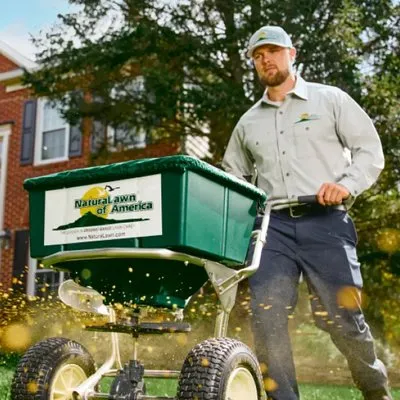
NaturaLawn of America in Wilmington, DE is a locally operated branch of the national leader in organic-based lawn care. For over two decades, we've served Delaware homeowners with customized, environm...
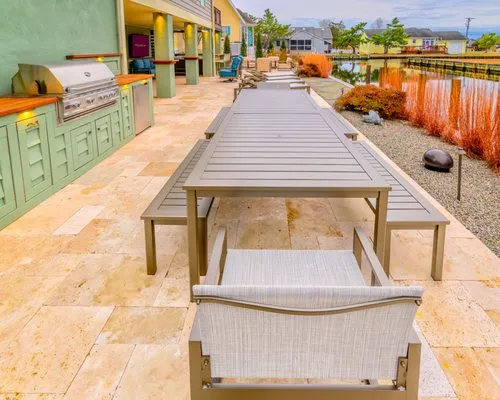
Borsello Landscaping
For over 30 years, Borsello Landscaping has been a trusted name in Hockessin, DE, and across Northern Delaware, building custom outdoor living spaces that stand the test of time. Founded by Mike Borse...

Cassello Tree Service
Cassello Tree Service, based in Wilmington, is a trusted local provider for tree care, landscaping, and excavation needs across Delaware, Maryland, and Pennsylvania. Operating with a dedicated fleet o...
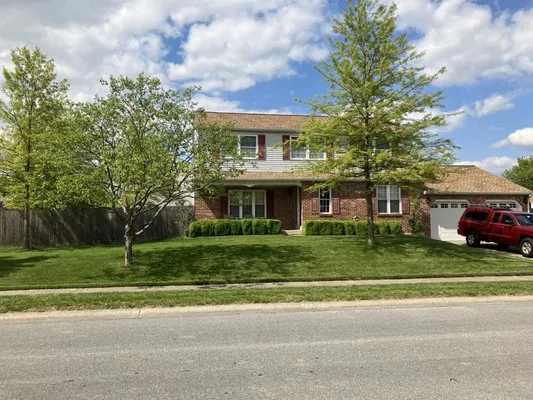
Let's Get Green is a family-owned lawn care company founded in 1997 by Cutler Heath, serving the Wilmington area and surrounding communities from Southern Chester County to Southern Kent County. What ...
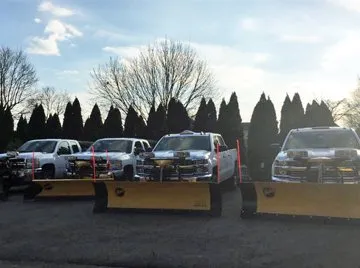
A-1 Kevin's Landscaping
A-1 Kevin's Landscaping has been a trusted name in Smyrna, Delaware, since 1987, providing reliable residential and commercial landscaping services. With over 35 years of experience, we specialize in ...
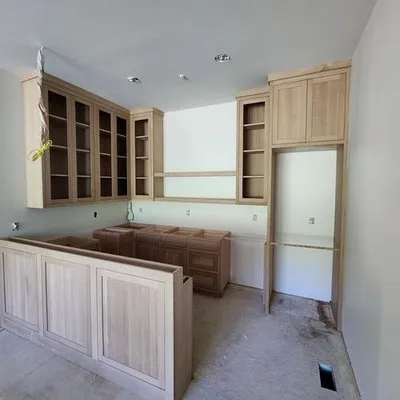
Your Dads Contractor LLC is a Wilmington-based handyman, landscaping, and pressure washing service founded on the principle of making home projects hassle-free. Like the reliable 'guy' your dad would ...
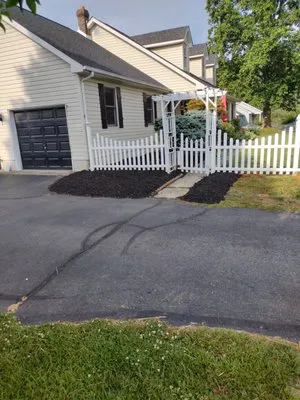
Everlasting Impressions Lawn Care and Landscaping
Everlasting Impressions Lawn Care and Landscaping is a trusted, family-operated business serving Newark, DE, and surrounding areas. Founded by Patricia Ewing and her husband, the company was born from...
Winn Property Maintenance is your trusted, full-service partner for home improvement and property care in Wilmington, DE. We combine general contracting, skilled handyman work, and comprehensive lands...
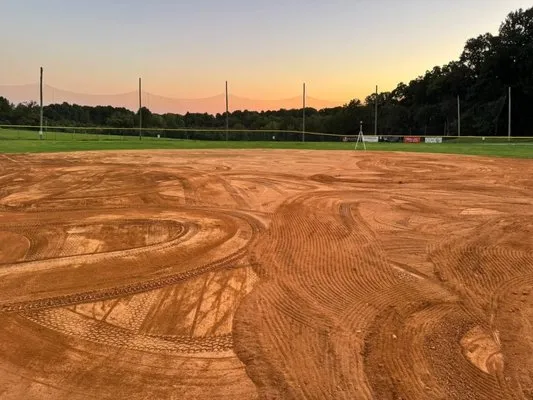
Mountaineer Diamond Care & Landscaping
Mountaineer Diamond Care & Landscaping is a Middletown-based company with a specialized passion for sports field excellence. For over two decades, our founder has been dedicated to creating safe, prof...
Yeison Orozco Tree Service is a locally owned and operated tree and landscaping company proudly serving Elsmere and the surrounding Delaware communities. With over twelve years of hands-on experience,...
Estimated Landscaping Service Costs in Rodney Village, DE
Question Answers
We've spotted invasive vines. How do we remove them safely?
Invasive species like English Ivy or Porcelainberry require prompt, non-chemical initial removal by hand-pulling or cutting. For persistent regrowth, targeted herbicide application may be necessary, but it must be planned around Delaware's statewide Phosphorus Restriction law. This ordinance prohibits phosphorus applications to managed turf, but careful, spot-treatment of invasive plants in planting beds by a licensed professional can be done without violating these managed turf application requirements.
How can we keep our Tall Fescue green during summer without wasting water?
A Wi-Fi ET-based irrigation controller is the technical solution. It automatically adjusts watering schedules by pulling local evapotranspiration data, applying water only when the lawn truly needs it. This system aligns with Delaware's voluntary conservation stance by preventing overwatering. For Rodney Village's sandy loam, it ensures deep, infrequent watering that encourages drought-resistant roots, keeping the turf healthy within municipal water limits.
Are permeable clay pavers a better choice than wood for a new patio?
For longevity and ecological function in Rodney Village, permeable clay pavers are superior. Unlike wood, they do not rot, warp, or attract pests, offering a decades-long service life with minimal maintenance. Their permeability manages stormwater runoff directly on-site. While Rodney Village has a low Fire Wise rating, the non-combustible nature of pavers also contributes to defensible space, a consideration for any material choice in an urban-suburban interface.
Our yard collects water after heavy rain. What's a lasting fix?
Moderate runoff is common here due to the compacted clay subsoil beneath the sandy loam. A core strategy is replacing impermeable surfaces with permeable clay pavers, which allow rainwater to infiltrate directly. This addresses the symptom and the source by reducing the volume of runoff that needs management. For significant regrading, the Kent County Department of Planning Services has standards for on-site stormwater management that such installations can help meet.
Our lawn seems thin and compacted, even with regular care. What's the likely cause?
Rodney Village homes, built around 1968, have 58-year-old soil systems. The native Sassafras Sandy Loam likely has a dense, compacted clay subsoil layer from decades of foot traffic and conventional mowing. This layer restricts root growth and water percolation, explaining the thin turf. Correcting this requires core aeration to fracture the compaction, followed by incorporating compost to rebuild organic matter and improve soil structure for the long term.
We have an HOA notice for overgrowth and need immediate service. How fast can you respond?
Our dispatch prioritizes compliance calls from Rodney Village. A crew would route from the Rodney Village Shopping Center, take US Route 13, and typically arrive within the 20-30 minute window, even during peak periods. We maintain a fleet of electric equipment ready for immediate deployment, allowing us to begin mowing and trimming upon arrival without violating the local 7 AM noise ordinance start time.
Why is professional licensing important for landscaping and grading work?
Significant grading or earth-moving on a 0.22-acre lot alters water flow and can impact neighboring properties. In Delaware, the Department of Agriculture licenses landscape contractors, ensuring they understand erosion control and best practices. Furthermore, the Kent County Department of Planning Services may require permits for grading that changes drainage patterns. Using a licensed professional guarantees the work meets state and county standards, preventing costly violations and property damage.
We want to reduce mowing and gas equipment noise. What are our options?
Transitioning high-maintenance turf areas to a landscape of native plants like Eastern Redbud, Switchgrass, Butterfly Milkweed, and New England Aster is a forward-looking solution. This xeriscape approach drastically cuts mowing frequency and eliminates the need for gas-powered blowers and trimmers, aligning with tightening noise ordinances. These plants are adapted to Zone 7b and local soil pH, requiring minimal irrigation once established and supporting local biodiversity.
