Top Landscaping Services in Washington, DC, DC, 20001 | Compare & Call

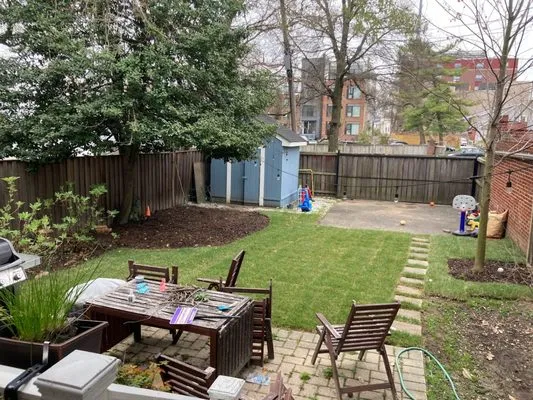
Neighborly Lawns was founded in Washington, DC, in direct response to local seniors who sought dependable, high-quality landscape services at fair prices. This community-driven origin shapes our appro...
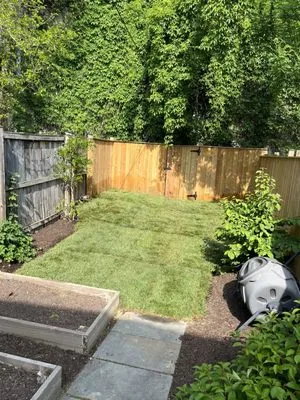
District Landscapes was founded in Washington, DC in 2011 by Sean Hill, a local resident who wanted to bring his passion for gardening and outdoor spaces to his neighbors. Starting from a love for the...
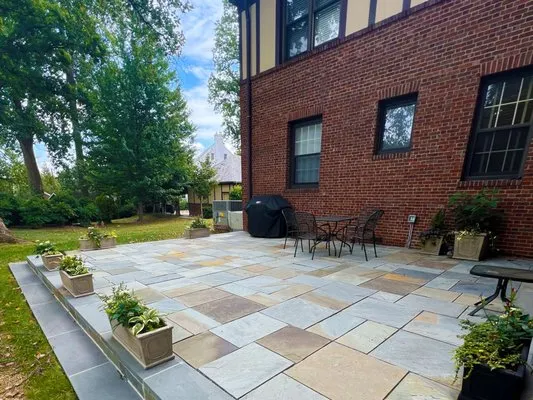
Tenleytown Lawn & Landscape
Tenleytown Lawn & Landscape is a trusted, woman and family-owned business serving the Washington, DC area for over 25 years. Founded by Peter Galvin over two decades ago, the company's legacy of craft...
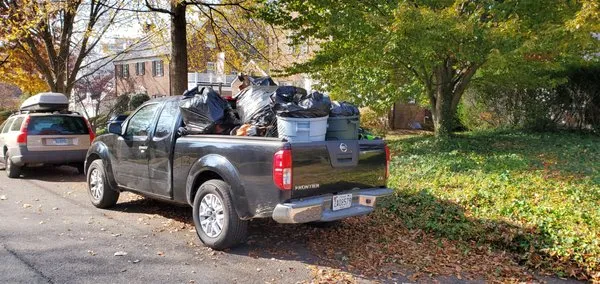
Easy Fast Clean is a Washington, DC-based company dedicated to taking the hassle out of property maintenance for local residents and businesses. We treat every job with a commitment to quality and cus...
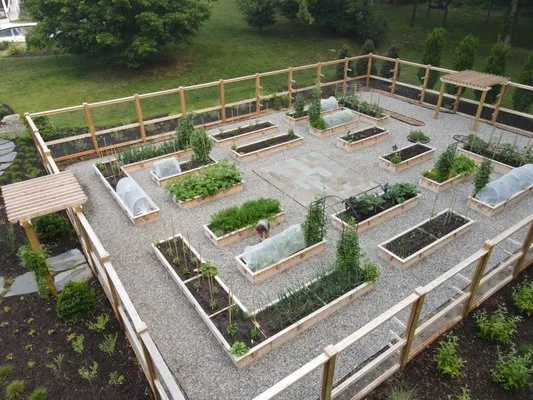
Love & Carrots is a Washington, DC-based woman-owned landscaping company founded by Meredith Sheperd, who brings extensive experience in sustainable agriculture, organic farming, and environmental sci...

Ginkgo Gardens
Ginkgo Gardens is Washington, DC's trusted urban garden center, established in 2000. We specialize in helping city residents transform their outdoor spaces, from compact patios to larger yards. Our ga...
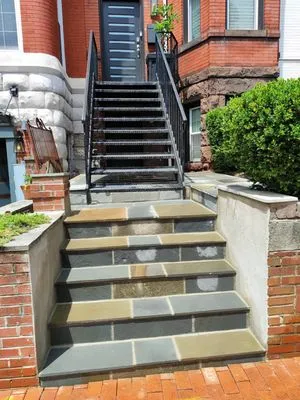
As a Washingtonian-owned company, we understand the unique challenges of maintaining a beautiful and functional outdoor space in the DC area. Since our start in 2019, W&M Services has built a reputati...
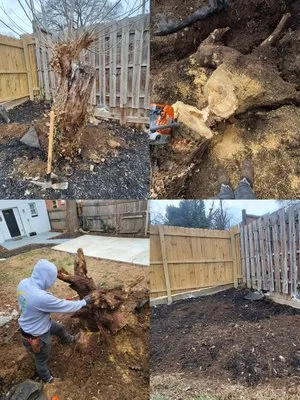
Monge Landscaping provides reliable lawn care and tree services to homeowners and businesses throughout Washington, DC. We specialize in residential and commercial lawn maintenance, planting, and a fu...
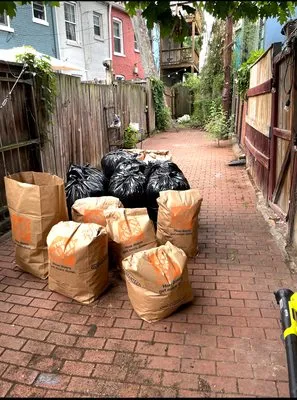
Reyes Solutions LLC is a trusted local business dedicated to keeping Washington, DC properties clean, green, and well-maintained. We combine comprehensive junk removal and hauling services with expert...
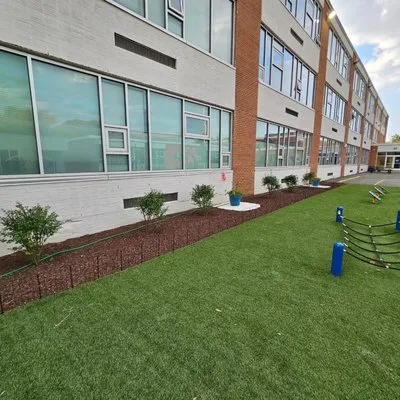
Founded by a native Washingtonian with deep roots in the community, Replenishing Habitat is more than just a landscaping company. Our owner balances caring for two elderly parents and a teenager, whic...
Questions and Answers
Are permeable clay brick pavers a better choice than wood decking for my outdoor space?
Permeable clay brick pavers offer 50+ year durability compared to wood's 15-25 year lifespan in DC's freeze-thaw cycles. Their non-combustible nature maintains Low Fire Wise ratings by creating defensible space around structures. Unlike wood requiring annual sealing, clay pavers need only occasional sweeping and weed prevention between joints. The thermal mass properties moderate temperature extremes, reducing urban heat island effect while providing stable footing in all weather conditions.
Why does my Capitol Hill yard have such compacted soil that won't drain properly?
Capitol Hill properties built around 1948 have 78 years of soil maturation, creating dense Sassafras-Christiana Complex soil with pH 6.0-6.5. Decades of foot traffic and minimal organic input have reduced permeability to critical levels. Core aeration every 2-3 years introduces oxygen channels, while incorporating 2-3 inches of composted leaf mold addresses compaction without altering pH balance. This approach restores soil structure for better root development and water infiltration.
What should I do about invasive English Ivy taking over my landscape beds?
English Ivy poses significant threats to native plants and tree health in Capitol Hill's established landscapes. Manual removal during March-April when soil is moist provides the most effective control without chemicals. For persistent infestations, targeted glyphosate applications to freshly cut stems in late fall avoid District of Columbia Fertilizer Act phosphorus restrictions. Always apply during dry periods with temperatures between 60-80°F to prevent runoff into storm drains and protect nearby desirable vegetation.
How can I reduce lawn maintenance while supporting local biodiversity?
Replacing high-maintenance turf areas with Eastern Redbud, Purple Coneflower, Swamp Milkweed, and Little Bluestem creates a self-sustaining native ecosystem. These species require no supplemental watering once established and eliminate weekly mowing needs. Their deep root systems improve soil structure and support pollinators year-round. Transitioning to electric maintenance equipment for remaining turf areas keeps operations silent and compliant with evolving DC noise ordinances regarding gas-powered blowers.
Can I maintain healthy Tall Fescue turf while following DC's voluntary water conservation guidelines?
Wi-Fi ET-based weather sensing irrigation systems precisely match Tall Fescue's 1-1.5 inch weekly water needs to actual evapotranspiration rates. These systems automatically reduce watering during rainfall events and increase efficiency by 30-40% compared to traditional timers. Programming deep, infrequent watering cycles between 4-8 AM minimizes evaporation loss while keeping soil moisture at optimal levels. This approach maintains turf health while staying well within municipal water conservation targets.
What permits and licenses are required for regrading my 0.08 acre Capitol Hill property?
The DC Department of Buildings requires grading permits for any excavation exceeding 2 cubic yards or altering existing drainage patterns. On 0.08 acre lots, even minor grade changes can impact neighboring properties' water flow. Contractors must hold DC Department of Licensing and Consumer Protection landscaping licenses with bonding for projects over $1,000. Professional engineers must certify drainage plans when modifying more than 10% of the lot's surface, ensuring compliance with DC's stormwater management regulations.
How quickly can you respond to an emergency tree cleanup after a storm in Capitol Hill?
Our electric fleet departs from the United States Capitol area within 15 minutes of notification, using I-395 for direct access to Capitol Hill neighborhoods. During peak storm conditions, arrival occurs within 20-30 minutes, with battery-powered chainsaws and chippers operating below DC Municipal Regulations noise thresholds. This rapid response prevents further property damage while maintaining compliance with gas-powered equipment restrictions in residential zones.
What's the most effective solution for chronic runoff problems in my urban yard?
Sassafras-Christiana Complex soils in Capitol Hill have naturally low permeability, exacerbated by surrounding impervious surfaces. Installing permeable clay brick pavers creates 10-20% void space for water infiltration, meeting DC Department of Buildings runoff reduction standards. These pavers channel stormwater into subsurface aggregate layers where it slowly percolates into soil. Combined with French drains along property edges, this system reduces runoff volume by 60-80% during heavy rainfall events.
