Top Landscaping Services in Woodstock, CT, 06244 | Compare & Call
There are 98 landscaping companies server in Woodstock CT

A1 & Sons is a family-owned landscaping company serving Thompson, CT, and the surrounding communities. We understand the local frustrations with poor lawn leveling and unsightly dead patches that can ...
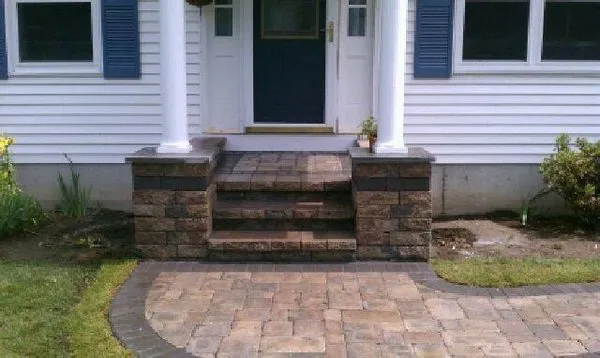
Paver Scapes is a trusted Thompson, CT contractor specializing in masonry, concrete, and landscaping solutions. We help local homeowners tackle common issues like poor lawn leveling and sprinkler head...
R R Landscaping is a trusted local landscaping company serving Thompson, CT, and the surrounding areas. We specialize in addressing common residential landscaping challenges that homeowners in our com...

Go Organic in Thompson, CT is a trusted local provider of organic gardening, landscaping, and tree care services, established in 2007. We specialize in residential and commercial properties across Con...

Kollbeck And Sons is a trusted, family-operated landscaping and tree care company serving Woodstock, CT, and the surrounding communities. We specialize in comprehensive landscape maintenance and profe...
Millix Property Maintenance is a trusted lawn care provider serving Woodstock, CT, specializing in comprehensive lawn services to address common local landscaping challenges. Many homes in Woodstock f...
All Lawns Matter is a dedicated lawn care service serving Woodstock, CT. We specialize in creating and maintaining healthy, resilient lawns that can withstand the specific challenges of our local clim...
Omar's Mobile Services is a trusted local provider in Woodstock, CT, specializing in comprehensive lawn care and car detailing. As a mobile business, we bring our expertise directly to your property, ...
Estimated Landscaping Service Costs in Woodstock, CT
Question Answers
My yard stays soggy and I'm worried about frost heave damaging walkways; what's the solution?
A high seasonal water table in Woodstock's sandy loam creates persistent moisture and high frost heave risk. The remedy is a subsurface French drain system tied to a dry well or daylighted outlet, moving water away from foundations. For new patios or paths, using permeable local granite or bluestone set on a gravel base increases infiltration, meeting Planning and Zoning Department standards for stormwater management. This combination addresses the saturation at its source while providing a stable, heave-resistant surface.
What permits and credentials are needed to regrade and landscape my two-acre property?
Regrading a 2.0-acre lot often triggers a permit from the Woodstock Planning and Zoning Department, especially if altering drainage patterns or disturbing over a certain square footage. The contractor must hold a Home Improvement Contractor license from the Connecticut Department of Consumer Protection. For significant earthmoving or engineered solutions, a Professional Engineer's stamp may be required to ensure stability and compliance with sediment control regulations. Always verify these credentials, as improper grading can lead to off-site water issues and enforcement actions.
I want to reduce mowing and gas equipment noise; what are my options beyond lawn?
Transitioning high-maintenance turf to a climate-adaptive landscape is a forward-thinking solution. We design meadows or shrub borders using native plants like Little Bluestem, Joe-Pye Weed, and Eastern Redbud that thrive in acidic Zone 6a soils with minimal irrigation. This approach drastically cuts weekly mowing, aligns with tightening noise ordinances on gas blowers, and supports 2026 biodiversity targets. The resulting landscape is more resilient, provides seasonal interest, and requires only annual cutting with quiet electric equipment.
Why does my lawn look thin and compacted compared to older properties in Woodstock Hill?
Homes built in the 1982 construction period, like many in Woodstock Hill, have soils that are now approximately 44 years old. This acidic sandy loam has likely become severely compacted from decades of foot traffic and standard maintenance, which restricts root growth and water percolation. Core aeration every fall is critical to relieve compaction and incorporate organic matter like compost, which also helps buffer the native soil's low pH. Without this amendment, turfgrass and desired plants struggle to access nutrients against the inherent soil acidity.
Is local bluestone or a wood deck better for a new patio, considering longevity and fire safety?
Local granite and bluestone offer superior longevity and lower lifecycle maintenance compared to wood, which requires regular sealing and replacement. In Woodstock's Moderate Fire Wise rated Wildland-Urban Interface, non-combustible stone is a critical component of defensible space, creating a firebreak around your home. Stone also mitigates the frost heave susceptibility of our soil when installed with a proper engineered base. The initial investment in stone pays dividends in durability, safety, and permeability for local drainage conditions.
A storm damaged several trees; how fast can a crew arrive for an emergency cleanup in Woodstock Hill?
For an HOA compliance or safety-related emergency, our dispatch from the Roseland Cottage area prioritizes your zone. The route via Route 169 to Woodstock Hill typically allows a crew to mobilize within the 45-60 minute peak storm response window. We coordinate with town services to clear roads and secure permits for debris removal if needed. All equipment is electric-compliant for noise ordinances, allowing work to begin promptly at 7:00 AM if the situation requires immediate attention.
What invasive plants should I watch for, and how do I remove them without breaking the fertilizer law?
In Woodstock's wooded interfaces, watch for Japanese Barberry, Burning Bush, and Garlic Mustard. Manual removal or targeted cut-and-paint herbicide applications in late fall are effective and minimize collateral damage. The statewide phosphorus ban does not restrict these controlled herbicide uses, but always verify with the product label. For lawn invaders, improving soil health through organic amendments competes with weeds more effectively than chemical responses, ensuring compliance with fertilizer ordinances focused on nutrient runoff.
How can I keep my Kentucky Bluegrass lawn healthy during Woodstock's voluntary water conservation stage?
Under Stage 1 voluntary conservation, smart Wi-Fi soil moisture sensor controllers are essential. These devices schedule irrigation based on actual evapotranspiration (ET) and soil conditions, preventing overwatering. For sandy loam, they trigger short, frequent cycles to minimize leaching, applying water only when the root zone moisture drops below optimal levels. This technology can reduce potable water use by 20-30% while maintaining turf health, keeping you well within municipal guidelines and adapting to seasonal water table fluctuations.
