Top Landscaping Services in Wilton, CT, 06829 | Compare & Call

Hoffman Landscapes
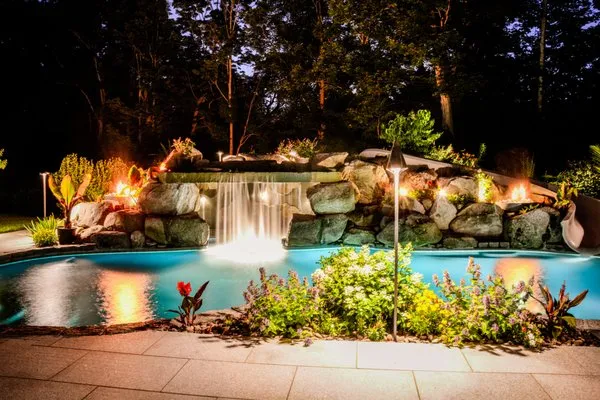
Hoffman Landscapes is a Wilton-based landscaping firm that brings over two decades of local experience to residential and commercial properties throughout Fairfield County. Founded on a commitment to ...
C J Robinson Tree & Landscape Service is a trusted Wilton, CT-based landscaping company dedicated to solving common local yard challenges. We specialize in addressing issues like shifting rock gardens...
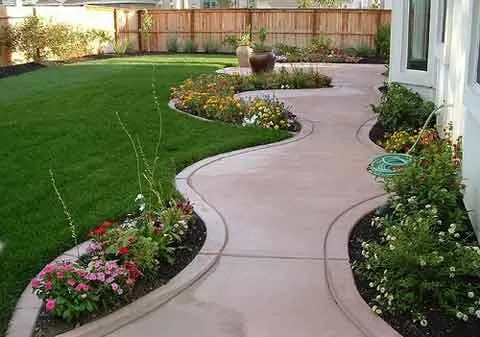
Green Hill Landscaping is a trusted, locally-owned provider serving Wilton, CT, and surrounding communities. We specialize in addressing the specific lawn and garden challenges homeowners face in our ...
Tall Trees Landscaping provides professional, reliable landscaping services for homeowners in Wilton, CT. We specialize in diagnosing and resolving the common local issues of dead lawn patches and spr...
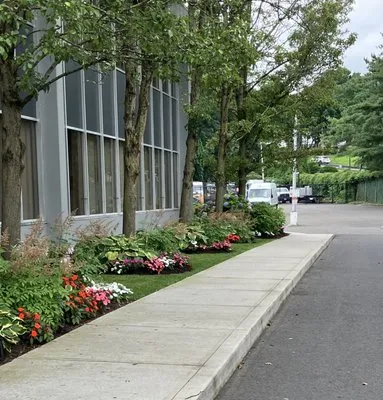
Rosie Tree and Land Care is a woman-owned business in Wilton, CT, built to bring a fresh, reliable approach to tree care and landscaping. Founded in 2020, our expertise is deeply rooted in generations...
Vitti Landscape is a trusted, locally-owned landscaping company serving Wilton, CT, and the surrounding areas. We specialize in creating and maintaining beautiful, resilient outdoor spaces that thrive...
Lee Horticultural Services, Ltd is a Wilton-based landscape design and installation company founded by owner Nicholas Lee, who brings decades of experience dating back to the late 1970s. A Wilton High...

Wilton General Landscaping is a trusted, locally-owned company dedicated to maintaining and enhancing Wilton's properties year-round. We specialize in comprehensive excavation, trench digging, snow re...
Genovese Landscapes is a trusted, locally-owned landscaping and property care company serving Wilton, CT. We understand the common challenges Wilton homeowners face, such as weed overgrowth and costly...
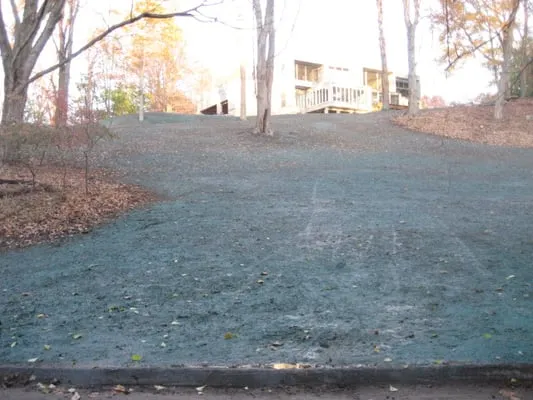
All Terrain Services in Wilton, CT, is a locally owned and operated landscaping and tree service company with deep roots in the community. With decades of experience in landscape development and home ...
Q&A
We're tired of weekly mowing and gas blowers. What's a quieter, lower-maintenance alternative?
Transitioning perimeter areas to a climate-adaptive xeriscape with native plants drastically reduces maintenance inputs. Species like Eastern Redbud, Highbush Blueberry, and Little Bluestem are evolved for local soils and precipitation, requiring no irrigation once established. This shift minimizes mowing and preemptively adapts to tightening noise ordinances on gas-powered equipment. A layered planting of New England Aster and Joe Pye Weed also provides critical habitat, supporting 2026 biodiversity targets for pollinator corridors.
We've spotted invasive Japanese Knotweed. How do we treat it without harming the environment or breaking local rules?
Japanese Knotweed requires a multi-year, systemic herbicide application timed for late summer when nutrients are moving to the roots. Any treatment plan must first verify the absence of phosphorus via a soil test to comply with Wilton's fertilizer ordinance. Manual cutting followed by careful, targeted chemical application is the standard protocol. Continuous monitoring for regrowth is essential, as fragments can propagate new infestations, compromising the ecological integrity of your landscape.
We have an HOA inspection Monday morning and need urgent storm debris cleanup. How fast can a crew arrive?
An emergency cleanup crew can be dispatched from our central staging area near Merwin Meadows Park. The route north via US Route 7 to Wilton Center typically requires 25 to 35 minutes during peak response windows, accounting for local traffic. All work would comply with the regulated hours for gas-powered equipment, commencing no earlier than 7 AM on weekdays. This schedule ensures rapid site mitigation while adhering to municipal noise ordinances for community compliance.
With Stage 1 water conservation in effect, how do we keep our lawn green without overwatering?
Smart Wi-Fi ET-based irrigation systems are calibrated for Wilton's USDA Zone 6b climate. These controllers use real-time evapotranspiration data from local weather stations to apply only the precise water volume lost daily, eliminating guesswork. This technology is critical for maintaining Kentucky Bluegrass and Fine Fescue blends within voluntary municipal limits. Properly programmed, an ET system can reduce potable water use by 20-30% while preserving turf health through targeted hydration cycles.
Our soil seems thin and compacted. Is that just how it is in Wilton?
Properties in neighborhoods like Wilton Center, developed around 1983, have soil that is approximately 43 years old. This acidic fine sandy loam has matured under consistent pressure from construction compaction and lawn maintenance, depleting its organic matter. The resulting low pH (5.5-6.2) and poor structure inhibit root growth and water infiltration. A corrective regimen of core aeration and amendments like compost or lime is necessary to rebuild soil biology and permeability for healthy plant life.
Do we need a permit to regrade our backyard and who is legally allowed to do the work?
Significant regrading on a 2.0-acre lot typically requires a permit from the Wilton Planning and Land Use Management department, especially if it alters stormwater flow patterns or involves substantial cut and fill. The contractor must hold a Home Improvement Contractor license from the Connecticut Department of Consumer Protection. For extensive earthmoving that could affect drainage or neighboring properties, additional certification from the Department of Energy and Environmental Protection may be necessary to ensure compliance with state sediment and erosion control standards.
We're adding a patio. Is bluestone or pressure-treated wood better for longevity and safety?
Bluestone and permeable concrete pavers offer superior longevity and lower lifecycle maintenance compared to wood, which requires regular sealing and eventual replacement. In Wilton's Low to Moderate Fire Wise rating zone, non-combustible hardscape materials like stone contribute to defensible space by creating a fuel break near structures. A properly installed paver patio with a geometric base also enhances site drainage, an important secondary benefit given the area's poor soil infiltration rates.
Our yard stays soggy for days after rain. What's the best long-term fix for poor drainage?
A high seasonal water table and poor infiltration are common in Wilton's acidic fine sandy loam, where a compacted subsoil layer acts as a barrier. The solution integrates subsurface French drains with strategic regrading to direct water away from foundations. Replacing impervious surfaces with permeable concrete pavers or bluestone set in a gravel base significantly increases ground absorption. These methods collectively manage runoff to meet Wilton Planning and Land Use Management standards for stormwater management on residential lots.
