Top Landscaping Services in Washington, CT, 06777 | Compare & Call
There are 207 landscaping companies server in Washington CT
Araujo in Newtown, CT, provides expert lawn and garden care for local homeowners. We specialize in diagnosing and solving the common local issues of dying garden plants and dead lawn patches. Our comp...
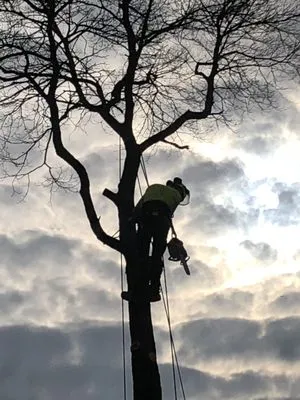
Land N Tree is a family-owned tree care and landscaping company serving Ansonia, CT, established in 2016 with over 25 years of combined industry experience. Specializing in tree removals and comprehen...
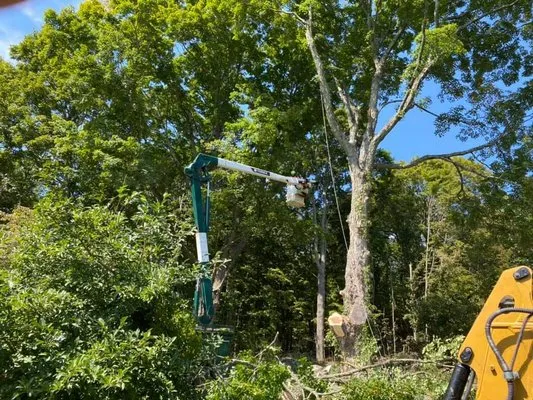
For over three decades, Tier 1 Estate Care has been a trusted Seymour, CT partner for homeowners seeking to enhance and protect their properties. Since 1991, our team has provided comprehensive soluti...

Green Carpet Lawns LLC has been a trusted presence in Brookfield since 2005, helping homeowners and businesses transform their outdoor spaces. We specialize in bringing your landscaping ideas to life,...
Hill & Valley Landscaping
Hill & Valley Landscaping is a trusted, full-service landscaping company serving Danbury, CT, and the surrounding areas. We specialize in excavation, snow removal, and trench digging to address common...
F & G Tree Care Solutions is your trusted local expert for tree and lawn care in Prospect, CT. We provide comprehensive services, including professional tree removal, pruning, stump grinding, and thou...
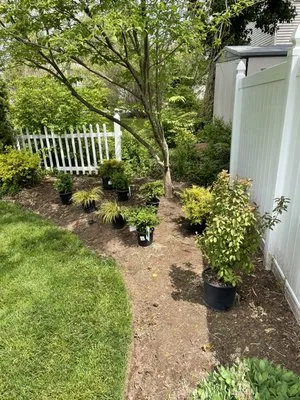
Prestige Lawn Care is a Hamden-based landscaping company dedicated to enhancing and maintaining beautiful outdoor spaces for local homeowners. We specialize in comprehensive lawn care, shrub maintenan...
Johnsons Masonry & Landscaping
Johnson's Masonry & Landscaping is a trusted local contractor serving Roxbury, CT, specializing in masonry, concrete, and comprehensive lawn services. With expertise in landscape design and lawn care,...
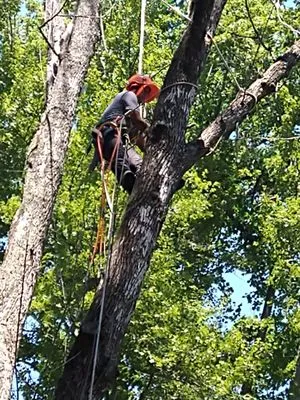
Castillo Tree & Lawn Service is your trusted local expert for comprehensive tree and landscape care in Newtown, CT. We understand the common challenges homeowners face, like sprinkler head damage and ...
Kodiak Tree & Landscape is a trusted, locally-owned provider of comprehensive outdoor care for New Preston Marble Dale, Connecticut. Specializing in both landscape maintenance and professional tree ca...
Estimated Landscaping Service Costs in Washington, CT
FAQs
We want to reduce mowing, watering, and gas-powered maintenance. What are our options?
Transitioning high-maintenance turf to a xeriscape with regional natives is the most effective strategy. Planting Eastern Redbud, Switchgrass, Joe-Pye Weed, and Butterfly Milkweed creates a resilient, low-water landscape that supports local biodiversity. This approach drastically reduces mowing frequency, eliminates the need for gas-powered blowers, and aligns with evolving noise ordinances. It also establishes a perennial structure that becomes more established and self-sufficient each year.
We have persistent soggy areas and frost heave damage on our walkways. What's the solution?
A high seasonal water table combined with frost action is common in our acidic sandy loam. The solution involves creating subsurface drainage channels to redirect water away from foundations and hardscapes. For new installations, using permeable set bluestone or fieldstone allows surface water to infiltrate, reducing runoff and meeting Washington Land Use Office standards. Addressing subsurface flow is critical to prevent recurring heave and soil saturation.
Is bluestone or a wood deck better for a new patio in terms of longevity and safety?
Bluestone or fieldstone patios offer superior longevity and lower lifetime maintenance compared to wood, which requires regular sealing and is susceptible to rot. From a fire safety perspective, stone is a non-combustible material that contributes to defensible space, a key consideration for Moderate (WUI Zone 2) fire-wise ratings. Stone also better integrates with the local aesthetic, provides excellent thermal mass, and does not harbor pests like termites.
Our lawn in Washington Depot seems thin and struggles to absorb water. Could the age of our property be a factor?
Properties built around 1956 have soils with a 70-year maturation history. In Washington Depot's acidic sandy loam, decades of foot traffic and organic matter depletion have likely created a compacted layer with poor permeability. This layer restricts root growth and water percolation, explaining the absorption issues. Core aeration followed by amending with composted leaf mold is the foundational correction, increasing soil organic content and improving structure for your turfgrass blend.
How can we maintain a healthy lawn under Stage 1 water conservation rules?
Smart Wi-Fi soil moisture sensor controllers are essential for conservation. These devices irrigate based on actual ET rates and soil conditions, not a fixed schedule, preventing overwatering. For Kentucky Bluegrass and Fine Fescue blends, this technology allows deep, infrequent watering that encourages drought-tolerant root systems. This method often uses less water than manual schedules while maintaining turf health, keeping you well within voluntary municipal limits.
We want to regrade a portion of our 2.1-acre lot. What permits and contractor qualifications are required?
Significant grading that alters water flow or involves cut/fill typically requires a permit from the Washington Land Use Office. For a lot of this size, work must be performed by a contractor licensed by the Connecticut Department of Consumer Protection, specifically holding a Home Improvement Contractor registration or relevant specialty license. This ensures compliance with sediment control, wetland, and drainage regulations. Always verify licensing and insurance before commencing earthwork.
A storm caused significant tree damage, and our HOA requires a rapid cleanup. What is your emergency response protocol?
Our emergency dispatch is prioritized from the Washington Town Green, utilizing Route 47 for primary access. With a standard 45-60 minute peak response time, we coordinate crews equipped with electric chippers and saws to comply with noise ordinances. The initial assessment focuses on clearing hazards to structures and driveways, followed by systematic debris processing and removal. All work is documented for HOA compliance and insurance purposes.
An invasive vine is overtaking our garden beds. How should we handle it without using restricted fertilizers?
First, identify the vine; common threats here include Oriental Bittersweet and Porcelain Berry. Manual removal of the entire root system is most effective for light infestations. For established patches, a targeted, systemic herbicide applied precisely to the foliage in late summer is a responsible chemical intervention. All treatments must avoid the statewide phosphorus ban blackout dates and should focus on soil health restoration with compost after eradication to prevent recurrence.
