Top Landscaping Services in Warren, CT, 06754 | Compare & Call
There are 210 landscaping companies server in Warren CT

For over 15 years, FP Landscaping & Masonry has been a trusted, family-owned provider of landscaping and masonry services for residents and businesses across Fairfield County, CT, and Northern Westche...
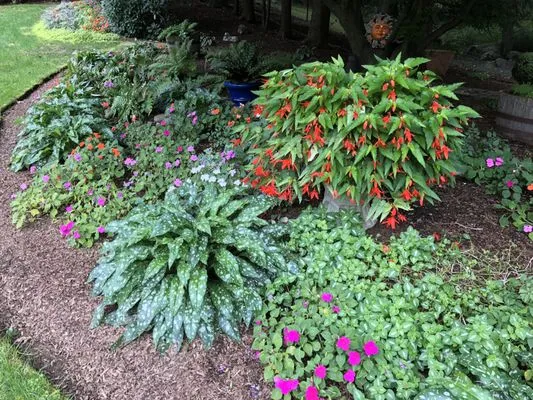
Alive & Growing has been a trusted, family-owned landscaping and tree care partner for Danbury, CT, homeowners since 1988. Founded by Richard, our business was born from a shared passion for creating ...
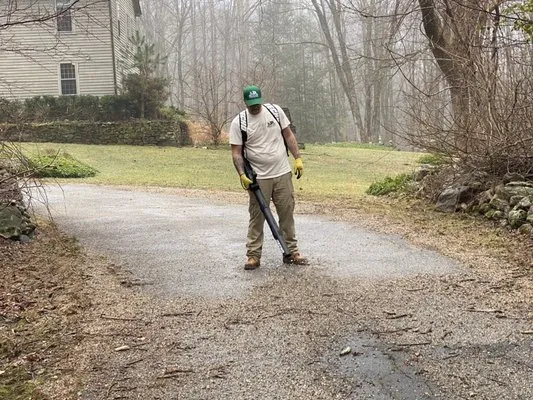
Francisco Five Star Landscape is a trusted Danbury, CT, landscaping company serving both residential and commercial properties. We are a full-service operation, handling everything from initial landsc...
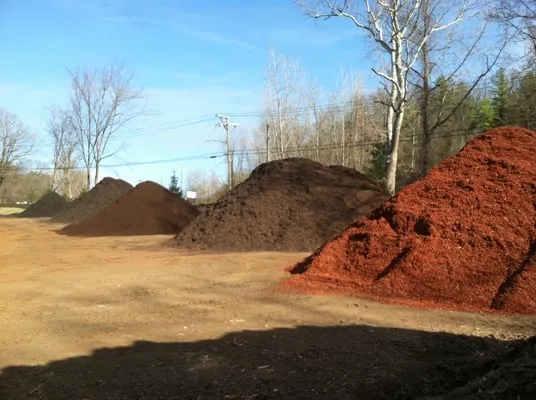
Advanced Organics is a family-owned and operated business in New Milford, CT, dedicated to providing high-quality, environmentally responsible landscaping products. We specialize in 100% organic bulk ...
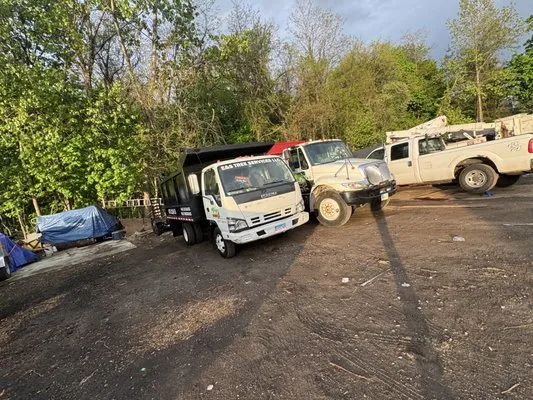
E&S Tree Service And Landscape is a locally owned and operated business serving Danbury, CT, and the surrounding communities. With several years of hands-on experience, we specialize in tree care, lan...
4 Seasons Landscaping
4 Seasons Landscaping is a family-owned landscaping and property maintenance company serving Bethel, CT and southwestern Connecticut since 1999. Founded by Edwin with a single mower, the business has ...
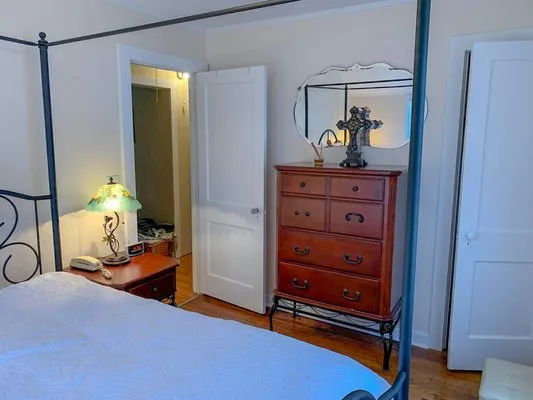
V&G Outdoor Solutions in Danbury, CT, is a locally owned and operated business dedicated to providing reliable, year-round outdoor and indoor services. Founded with the goal of making quality lawn car...
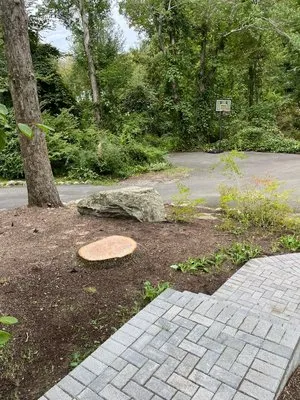
J J Construcción is a trusted, full-service contractor serving Danbury, CT, specializing in painting, landscaping, and tree services. We help homeowners maintain and enhance their properties with prof...
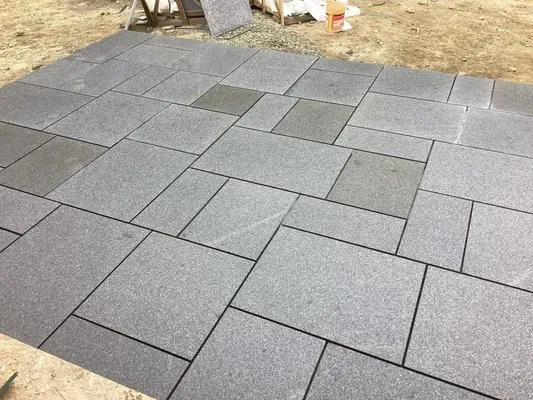
Toledo Masonry in Danbury, CT, provides expert masonry and hardscaping solutions tailored to our local landscape. Many Danbury homeowners face issues like irrigation leaks from compromised hardscapes ...
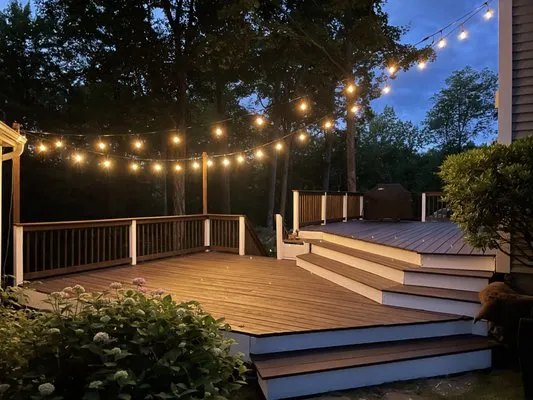
Keller Lawn and Landscape is a family-owned and operated contractor serving Danbury, CT, and the surrounding communities. Founded on a commitment to quality and clear communication, they provide a com...
Estimated Landscaping Service Costs in Warren, CT
Frequently Asked Questions
We're considering a new patio. How does fieldstone compare to wood for longevity and fire safety?
Fieldstone and bluestone pavers offer century-long durability with minimal maintenance, unlike wood's 15-20 year lifespan requiring regular treatment. These materials provide non-combustible defensible space crucial in Warren's Moderate Wildland-Urban Interface rating. Properly installed stone hardscapes also mitigate heat island effects through thermal mass properties. The initial investment yields long-term value through reduced replacement costs and enhanced property resilience.
How can we maintain our Kentucky Bluegrass and Fine Fescue lawn during Warren's voluntary water conservation periods?
Smart Wi-Fi soil moisture sensors prevent overwatering by tracking real-time evapotranspiration rates and soil conditions. These controllers adjust irrigation schedules dynamically, applying water only when the root zone moisture drops below optimal levels. This technology typically reduces water usage by 30-40% while preserving turf health through targeted hydration. Municipal conservation goals align with this precision approach, eliminating wasteful runoff during peak demand periods.
We need emergency storm cleanup to meet HOA requirements before the weekend. How quickly can your team respond?
Our electric fleet dispatches from Warren Town Hall within 30 minutes of notification, traveling via CT-45 to reach Warren Center properties. During peak conditions, arrival occurs within 45-60 minutes while complying with the 7:00 AM noise ordinance start time. We prioritize safety assessments before debris removal, ensuring all work meets local stormwater management standards. This coordinated approach minimizes property damage while maintaining neighborhood compliance timelines.
What permits and licenses are needed for regrading our 2.5-acre property in Warren?
The Warren Land Use Office requires grading permits for any earth movement exceeding 50 cubic yards, with additional review for properties over 2 acres. Contractors must hold Connecticut Department of Consumer Protection landscaping licenses with specific endorsements for earthwork operations. These regulations ensure proper erosion control and drainage planning, particularly important given the site's poor infiltration characteristics. Unlicensed grading risks significant fines and mandatory restoration orders.
Our Warren Center lawn has never looked great despite regular care. Could the soil itself be the problem?
Warren Center properties built around 1978 have 48-year-old soil profiles that typically show compaction from decades of foot traffic and equipment use. The acidic sandy loam common here naturally lacks organic matter retention, leading to poor nutrient availability and water infiltration. Core aeration every 2-3 years combined with compost amendments addresses this by improving soil structure and microbial activity. Without these interventions, even proper fertilization yields limited results in this glacial till substrate.
Our backyard becomes saturated for days after heavy rain. What drainage solutions work with Warren's soil conditions?
The high seasonal water table in Warren's glacial till creates poor infiltration that requires engineered solutions. French drains with clean stone aggregate redirect subsurface water, while dry wells capture roof runoff. Permeable fieldstone or bluestone pavers in patio installations increase surface permeability, meeting Warren Land Use Office runoff standards. These systems work synergistically to manage water movement through the acidic sandy loam profile.
We want to reduce lawn maintenance while supporting local ecology. What native plants thrive here?
Transitioning turf areas to Common Milkweed, New England Aster, Joe Pye Weed, and Little Bluestem creates drought-resistant habitats requiring minimal intervention. These natives support pollinator populations while eliminating weekly mowing and gas-powered equipment use ahead of tightening noise ordinances. Established native plantings need only seasonal attention, reducing water demand by 70-80% compared to traditional turf. This approach future-proofs landscapes against evolving maintenance restrictions.
We've spotted invasive Japanese knotweed spreading from a neighboring property. How do we treat it safely?
Japanese knotweed requires immediate containment through careful herbicide application during active growth phases, avoiding Connecticut's phosphorus ban blackout dates. Cut stem treatments with glyphosate formulations minimize soil disturbance while preventing spread through the property's 2.5-acre boundary. Follow-up monitoring for three growing seasons ensures complete eradication without harming adjacent native plantings. Always coordinate with adjacent landowners to address cross-property contamination risks.
