Top Landscaping Services in Wallingford, CT, 06492 | Compare & Call

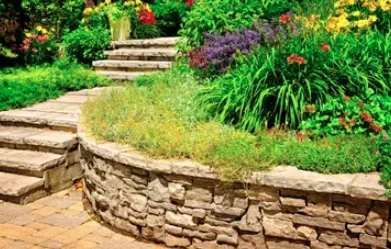
After over 20 years of dedicated service in the U.S. military and law enforcement, I channeled my lifelong passion for the outdoors into a new venture. In 2015, I founded J and H Landscaping Ct, start...
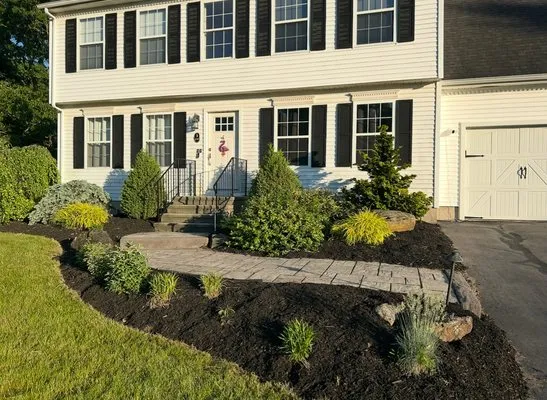
Torcello Landscaping is a Wallingford-based company providing comprehensive landscaping services to enhance and maintain outdoor spaces in our community. We specialize in landscape design, constructio...
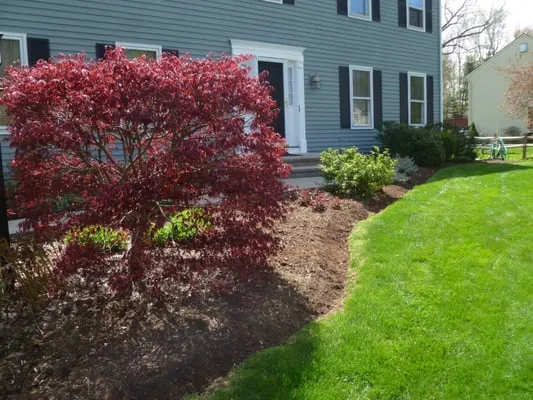
Green is Better Lawn Care is a family-operated business proudly serving Wallingford, CT, and surrounding towns like North Haven, Cheshire, and Hamden for over 15 years. As a small, dedicated team, we ...
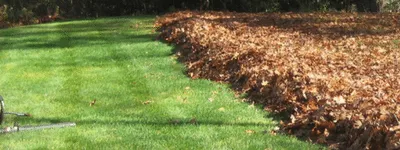
DePaolo and Gagne Landscaping is a family-owned business in Wallingford, CT, founded by two brothers who bring a personal touch to every project. As a small local operation, they treat customers like ...

Earthworks Unlimited
Earthworks Unlimited is a Wallingford, CT-based landscaping and excavation company specializing in transforming outdoor spaces into functional, beautiful landscapes. With expertise in soil backfilling...

Ruiz Landscaping is a trusted Wallingford, CT-based company specializing in tree services, landscaping, and general contracting. We help local homeowners and businesses maintain beautiful, healthy out...
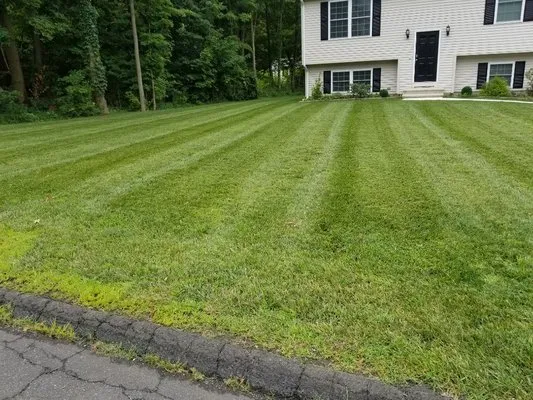
The Lawn Master is a trusted landscaping company serving Wallingford, CT, specializing in gardening and landscape maintenance. We understand the unique challenges local homeowners face, particularly w...

Debaise Landscaping & Tree Removal is a trusted, locally-owned company serving the greater Wallingford community and surrounding Connecticut towns. We provide comprehensive year-round property care, f...

Cutting Edge Landscaping is a trusted local landscaping company serving Wallingford, CT, and surrounding areas. We specialize in comprehensive landscape maintenance and repair services designed to add...
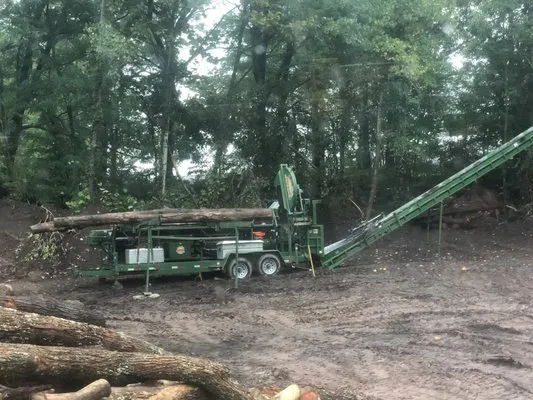
Eylward Timber is a Wallingford-based, full-service landscaping and firewood provider. We help local homeowners solve common area problems like patchy lawns and overgrown shrubs. Our comprehensive ser...
Frequently Asked Questions
Is a bluestone patio a better choice than a wood deck for durability and fire safety in our area?
Bluestone and concrete pavers offer superior longevity with minimal maintenance compared to wood, which requires regular sealing and is susceptible to rot. In terms of the Low Fire Wise rating for our urban-suburban interface, non-combustible hardscapes provide critical defensible space. A properly installed stone patio creates a durable, fire-resistant zone that enhances property value and safety.
Why does my lawn in Highland Park seem to drain poorly, and what's the best way to improve it?
Homes built around 1959, like many in this neighborhood, have soils that have settled for over 65 years. The prevalent acidic sandy loam tends to become compacted, restricting water and oxygen flow to roots. Annual core aeration is essential to disrupt this compaction and enhance soil percolation. Following aeration, top-dressing with a mature, pH-neutral compost will build organic matter and improve soil structure for healthier turf.
I have an emergency tree limb down after a storm and need a fast cleanup for HOA compliance. How quickly can a crew arrive?
A crew can typically be dispatched from the Lyman Hall High School area within 30 minutes during a peak event, using I-91 for primary access. Our service vehicles are equipped for immediate debris management and safety mitigation. Emergency protocols prioritize securing the site and clearing hazards to meet local ordinance requirements swiftly.
My yard in Wallingford has persistent soggy areas and runoff. What's a long-term solution that also looks good?
Moderate runoff in areas with a seasonal high water table is common in sandy loam soils. Installing a dry well or a French drain system connected to permeable paving materials, like concrete pavers set with gravel joints, can effectively manage subsurface water. These solutions increase ground permeability and often meet the Wallingford Planning and Zoning Department's standards for on-site stormwater management.
Do I need a permit to regrade my backyard for better drainage, and what should I look for in a contractor?
Yes, significant regrading on a 0.35-acre lot typically requires a permit from the Wallingford Planning and Zoning Department to ensure proper stormwater management. The contractor must hold a Home Improvement Contractor license from the Connecticut Department of Consumer Protection. This license is mandatory for earthwork that alters water flow, protecting you from liability and ensuring the work meets engineering and environmental standards.
With Stage 1 water conservation in effect, how can I keep my Kentucky Bluegrass lawn healthy without overwatering?
Modern smart irrigation controllers using ET-based weather sensing are calibrated for USDA Zone 6b evapotranspiration rates. These systems automatically adjust watering schedules based on real-time data like temperature and rainfall. This technology delivers precise hydration to your cool-season grass blend, maintaining turf health while adhering to voluntary municipal conservation limits and preventing runoff.
I've spotted invasive Japanese Knotweed on my property. How should I handle it without breaking local fertilizer rules?
Japanese Knotweed requires persistent, professional-grade herbicide application directly to the foliage, best performed in late summer. This targeted treatment must avoid any application to frozen ground, per statewide phosphorus restrictions. Manual removal is ineffective and can spread the plant; a licensed professional will develop a multi-year management plan to eradicate the rhizome network safely.
I want to reduce weekly mowing and gas equipment noise. What are my options for a lower-maintenance yard?
Transitioning sections of high-input turf to a xeriscape with native plants like Eastern Redbud, Sweet Pepperbush, and Switchgrass significantly reduces maintenance. These adapted species require less water, no frequent mowing, and minimal fertilization. This shift aligns with evolving noise ordinances restricting gas-powered equipment and supports local biodiversity with deep-rooted, resilient plantings.
