Top Landscaping Services in Vernon, CT, 06066 | Compare & Call

There are 229 landscaping companies server in Vernon CT
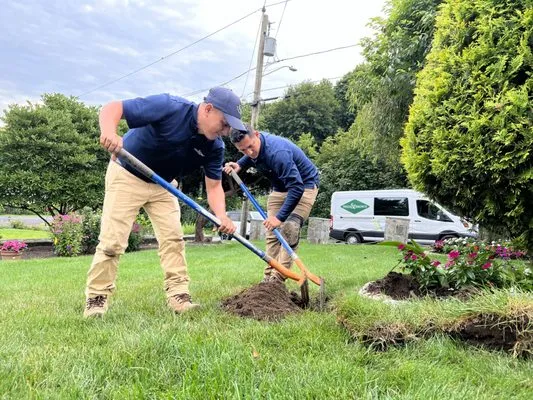
Teed & Brown is a Norwalk-based lawn care company founded in 1995 by Peter Teed and Christopher Brown, combining Peter's hands-on Connecticut lawn care experience with Chris's Turfgrass Science degree...
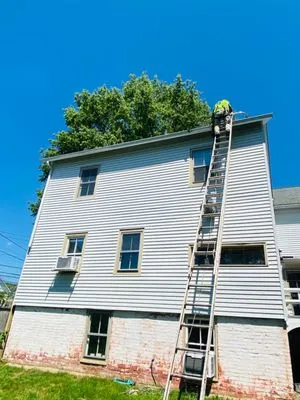
G&R Handyman Services has been a trusted partner for New Haven homeowners since 2007. With over 18 years of experience, our team provides reliable solutions for a comprehensive range of home and prope...

Oddjobs Handymen is a New Haven-based, family-owned business with deep roots in the skilled labor industry. Founded by Alfonso Lara and now operated by his son, a licensed Home Improvement contractor ...
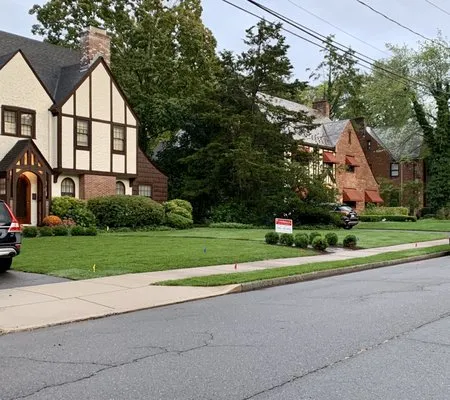
Chenail is a licensed landscaping and irrigation company based in West Hartford, CT, specializing in comprehensive outdoor care for residential and commercial properties. With expertise spanning lands...
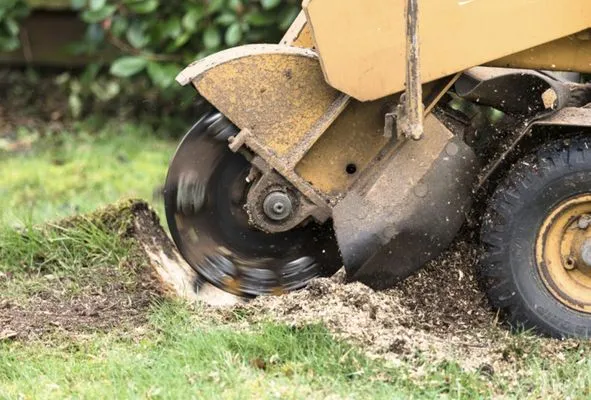
Stumpy McGrinder's in Simsbury, CT, is a locally owned landscaping and tree service business that grew from personal necessity into a trusted community resource. During the COVID-19 pandemic, when man...
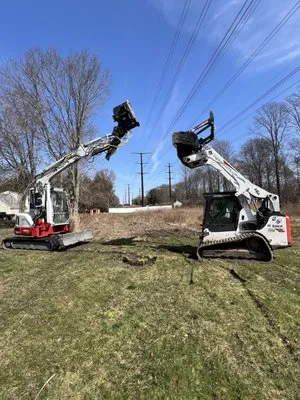
VegOut Forestry is a dedicated landscaping and forestry service based in Orange, CT, focused on transforming challenging outdoor spaces into clean, usable areas. We specialize in forestry mulching, a ...
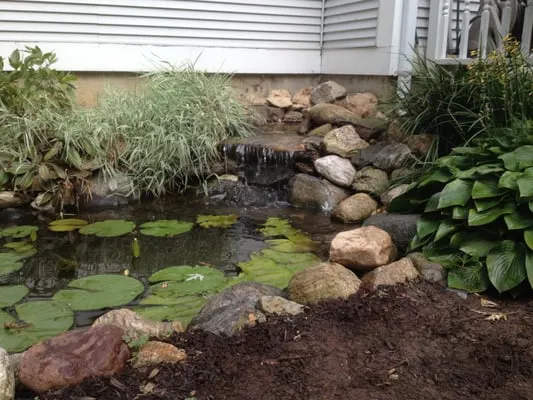
Founded in 1984 by Steve Walowski, a graduate of Delaware Valley College with a degree in Landscaping & Groundskeeping, Hillside Landscaping Co. brings decades of dedicated experience to Berlin, CT, a...

Owl Hill Landscaping & Snow is a trusted local company serving New Haven, CT, dedicated to providing reliable, high-quality outdoor services. We specialize in comprehensive lawn care, effective pest a...
The Nature Professionals in Manchester, CT is a family-owned business with deep roots in forestry and outdoor craftsmanship. Founded by someone born into a logging family from Newport, Vermont, the co...

Family Tree Landscaping & Sealcoating
Family Tree Landscaping & Sealcoating is your full-service partner for enhancing and protecting your New London, CT, property. From major earthmoving projects to routine lawn care, our skilled team ha...
Estimated Landscaping Service Costs in Vernon, CT
Questions and Answers
Are concrete pavers a better long-term choice than wood for a new patio?
For longevity and reduced maintenance, inorganic materials like concrete pavers or bluestone are superior. They do not rot, attract pests, or require chemical treatments. In the context of Vernon's Moderate Fire Wise rating, these non-combustible materials also contribute to defensible space per NFPA guidelines, an increasing consideration for insurance and safety in wooded lots like those near Henry Park.
How can I keep my Kentucky Bluegrass lawn healthy during Vernon's seasonal drought monitors?
Smart Wi-Fi Soil Moisture Sensor Controllers are now the standard for efficient irrigation in Zone 6b. These systems apply water based on actual evapotranspiration (ET) and root zone moisture, not a fixed schedule. This technology prevents overwatering, keeps your grass mix healthy within 'Normal' restriction tiers, and can reduce municipal water use by up to 30% compared to traditional timer systems.
My yard stays soggy and I'm worried about frost heave damaging my walkway. What's the solution?
A high seasonal water table combined with Sandy Loam's limited deep drainage creates this common hazard. For patios or walkways, specifying permeable concrete pavers or open-joint bluestone installations creates a managed surface runoff system. This meets Vernon Planning & Development Department's stormwater guidance by allowing infiltration, which reduces pooling and mitigates frost heave pressure on slabs.
What should I verify before hiring someone to regrade my .35-acre lot?
Any significant grading or earth-moving on a .35-acre property in Vernon requires a licensed professional. Confirm active registration with the Connecticut Department of Consumer Protection for Home Improvement. The contractor must also secure any necessary permits from the Vernon Planning & Development Department, especially if grade changes affect stormwater runoff patterns to adjacent parcels, which is a common enforcement issue.
My yard's soil seems tired and compacted. Is this typical for Talcottville?
Properties in the Talcottville area, with an average build year of 1971, have over 55-year-old landscaping soil. Acidic Sandy Loam naturally compacts over decades of foot traffic and mowing, reducing percolation and oxygen for roots. Core aeration paired with organic compost, not just top-dressing, is critical to rebuild soil structure and microbial life. This directly addresses the low pH and poor permeability common to lots of this age.
I want to reduce mowing and gas-powered maintenance. What are my options?
Transitioning perimeter zones to a native plant community using species like Little Bluestem, New England Aster, and Joe Pye Weed significantly reduces resource inputs. These deep-rooted perennials thrive in our acidic soil, require no weekly mowing, and support local biodiversity. This approach future-proofs your property against tightening noise ordinances on commercial gas blowers and mowers.
A storm damaged trees and my HOA needs compliance quickly. What's your emergency response time?
Our storm response protocol for Vernon involves routing crews from our staging area near Henry Park directly onto I-84. This allows a reliable 20-30 minute arrival to Talcottville neighborhoods during peak disruption events. We prioritize safety debris removal and tarping services to meet immediate HOA safety standards, coordinating all work within local noise ordinance hours.
I've spotted invasive vines and don't want to harm my soil. How should I handle them?
For common invaders like Oriental Bittersweet, targeted cut-stump treatment with glyphosate in late summer is effective and minimizes soil impact. It's crucial to avoid broadcast herbicide applications that violate Vernon's fertilizer ordinance, which restricts non-selective soil additives. Always confirm the species with the Connecticut Agricultural Experiment Station and schedule treatments outside of spring wildflower bloom periods.
