Top Landscaping Services in Uncasville, CT, 06382 | Compare & Call
There are 143 landscaping companies server in Uncasville CT
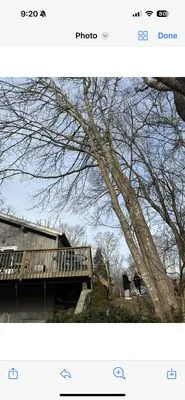
Falcone Landscape Design & Maintenance is a dedicated local landscaping company serving the Ledyard, Connecticut community. We provide comprehensive property care, from detailed landscape design and c...
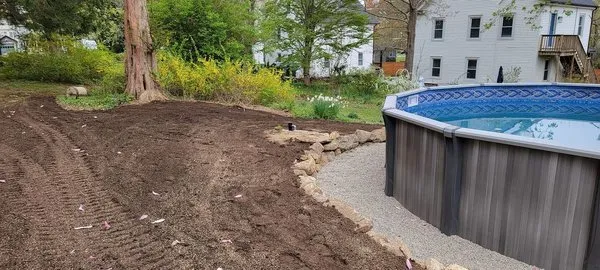
At H & H Landscaping, we've been dedicated to enhancing properties throughout Ledyard and the surrounding communities, including Mystic and New London, for nearly three decades. Our approach is person...
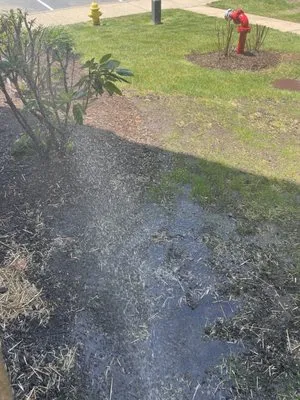
Bauman's Lawn Care is a trusted landscaping company serving Ledyard, CT, specializing in gardening and landscape maintenance. We understand the local challenges homeowners face, particularly with spri...
Estimated Landscaping Service Costs in Uncasville, CT
Frequently Asked Questions
Why does my lawn look so tired and thin, even with regular care?
Your Uncasville home, built around 1968, sits on soil with nearly 60 years of maturation. This long-term compaction from foot traffic, construction, and standard mowing has degraded the natural structure of the native acidic sandy loam. The soil likely suffers from low organic matter and poor permeability, restricting root growth. Core aeration in early fall, followed by top-dressing with compost, is critical to rebuild soil biology and improve water infiltration for healthier turf.
Is there a lower-maintenance, eco-friendly alternative to my traditional lawn?
Yes, transitioning sections of high-input turf to a Connecticut-native plant community is highly effective. Incorporating Eastern Redbud, Switchgrass, Joe-Pye Weed, and Butterfly Milkweed reduces mowing, eliminates gas-powered blower use, and provides superior habitat. These deep-rooted perennials are adapted to our Zone 6b climate and acidic soil, requiring no phosphorus fertilizer and minimal irrigation once established. This approach builds biodiversity and aligns with evolving community standards for quieter, cleaner landscaping.
How do I keep my Kentucky Bluegrass lawn green without wasting water?
While Uncasville is currently in Stage 0 water restrictions, efficient use is always paramount. A smart Wi-Fi controller integrated with in-ground soil moisture sensors is essential. This system applies water based on actual evapotranspiration (ET) and root zone saturation, not a fixed schedule. It prevents overwatering your sandy loam, which drains quickly, and ensures your grass blend receives deep, infrequent irrigation that encourages drought-tolerant roots and conserves municipal water.
What permits and licenses are required for a backyard grading and drainage project?
Any significant alteration of land on a 0.45-acre lot, especially for drainage and erosion control, typically requires a permit from the Montville Planning and Zoning Department. The contractor performing this work must hold the appropriate Home Improvement Contractor license from the Connecticut Department of Consumer Protection. This licensing ensures they carry the required insurance and have the technical knowledge to execute grading plans that manage stormwater runoff effectively, protecting both your property and downstream watersheds.
What invasive species should I watch for, and how do I control them safely?
In Uncasville, be vigilant for Japanese Knotweed, Oriental Bittersweet, and Garlic Mustard. These invasives outcompete native plants and degrade soil health. Manual removal for young plants is effective. For established patches, targeted, systemic herbicide application in late summer or fall is often necessary. Any treatment must strictly adhere to Connecticut's fertilizer ordinance, which prohibits phosphorus use on established lawns, and all products must be applied by a licensed professional to ensure environmental safety.
Are concrete pavers or wood a better choice for a new patio?
For longevity and low maintenance in our climate, concrete pavers or native fieldstone are superior to wood. They are not susceptible to rot, insect damage, or the weathering that plagues wooden decks. From a Firewise perspective, a non-combustible hardscape like stone or pavers creates critical defensible space in our Moderate Wildland-Urban Interface rating zone. These materials also offer superior permeability when installed with proper base materials, aiding in site drainage and potentially simplifying permit approval.
How quickly can you respond to an emergency tree cleanup after a storm?
For urgent situations like storm damage or HOA compliance deadlines, our electric fleet can typically dispatch from the Mohegan Sun Arena area. Using I-395, we reach most Uncasville Center properties within the 20-30 minute window during peak response scenarios. This efficient routing, combined with equipment that complies with local noise ordinances starting at 8 PM, allows for rapid, considerate service to secure your property.
My yard gets soggy in spring and heaves in winter. What's the cause and solution?
This is a classic symptom of our area's seasonal high water table combined with frost heave in acidic sandy loam. The soil retains water at certain depths, freezing and expanding in winter. To manage runoff and meet Montville Planning and Zoning standards, regrading for positive slope away from foundations is the first step. Installing permeable systems like dry wells or using permeable pavers and native fieldstone for patios allows water to infiltrate locally, reducing surface pooling and heave pressure.
