Top Landscaping Services in Tolland, CT, 06084 | Compare & Call
There are 200 landscaping companies server in Tolland CT
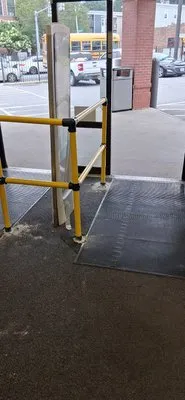
My Three Rose Facility Management
My Three Rose Facility Management in Windham, CT, is a full-service property care company built on a foundation of over a decade of hands-on experience. Owner Justin brings his extensive knowledge of ...
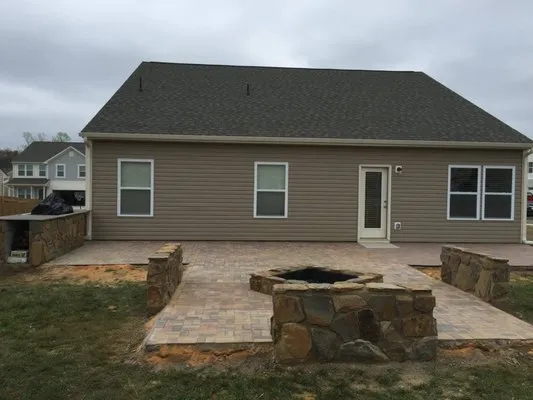
Yard Bullies is a Hartford-based, full-service property care company specializing in masonry, concrete, lawn care, and snow removal. We understand the unique challenges faced by local homeowners, such...

Envision Landscape & Design is a trusted West Hartford, CT company specializing in lawn care and snow removal services. We understand that many local homes face common landscaping challenges like patc...
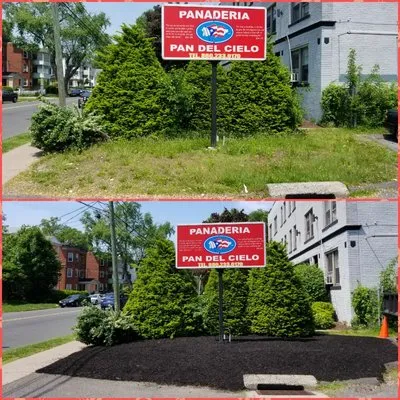
Hall's Landscaping is a locally owned and operated business serving West Hartford, CT, with a commitment to honesty, integrity, and high-quality work. We specialize in comprehensive landscaping and sn...

Ray The Tree Guy is a trusted, full-service landscaping and tree care company serving Hartford, CT, and the surrounding communities. We specialize in transforming and maintaining outdoor spaces, from ...
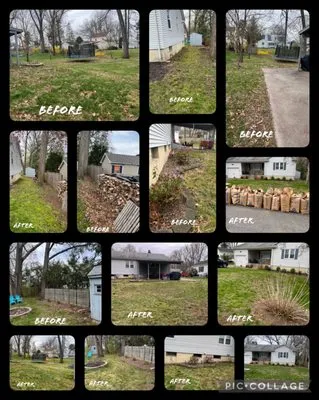
M.A.D. Landscape Services is a family-run landscaping business serving Manchester, CT, with over a decade of experience. We specialize in comprehensive shrub care—including planting, pruning, disease ...

JamesCrew LLC is a family-owned business in Hartford, CT, with deep roots in the Connecticut community. Founded over 30 years ago by James, the company has grown to include his family, who are natives...
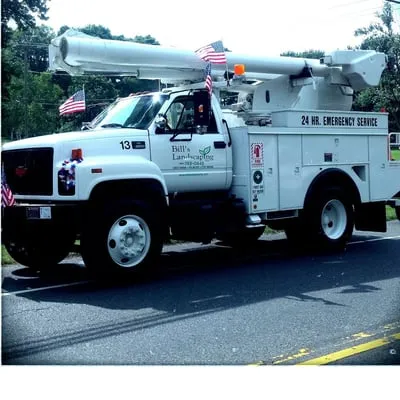
Founded in 1995 by William Guzie, Bill's Landscaping LLC began as a one-man operation with a simple bike and mower, fueled by a passion for the local landscape. Today, as a diversified service firm, w...

Weed Man in Wethersfield, CT, is a locally owned and operated lawn care and pest control service with deep roots in the community. Founded in 1977 by Tom Mauer, who holds a turf management education f...
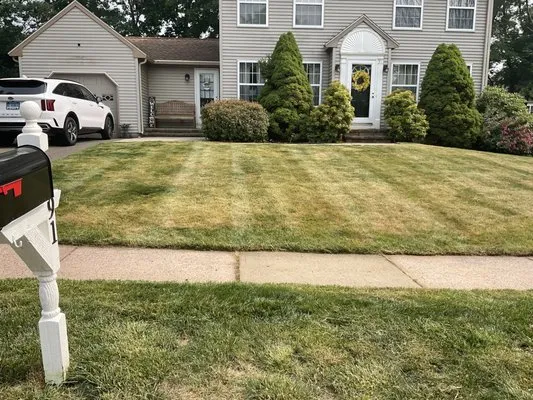
BCC Enterprise LLC is a locally owned and operated business serving East Hartford, CT, and the surrounding communities. Since 2014, we've built a reputation on a simple principle: making our clients t...
Estimated Landscaping Service Costs in Tolland, CT
Questions and Answers
Which hardscape materials work best for Tolland's climate and fire safety requirements?
Bluestone and permeable concrete pavers outperform wood in longevity, with lifespans exceeding 25 years in USDA Zone 6a conditions. These materials maintain structural integrity through freeze-thaw cycles while providing excellent drainage. For properties in Moderate WUI Zone 2 fire risk areas, these non-combustible materials create defensible space without requiring chemical treatments. Their permeability reduces runoff during heavy rains while withstanding the seasonal frost heave common in Tolland.
What permits and licenses are required for landscape grading on my property?
Grading work on 1.5-acre lots in Tolland requires approval from the Planning & Development Department, particularly when altering drainage patterns or removing significant vegetation. Connecticut Department of Consumer Protection licensing ensures contractors understand soil mechanics, erosion control, and proper grading techniques. Professional licensing becomes critical when work involves stormwater management systems or could affect neighboring properties. These requirements protect both property owners and the sensitive ecosystems throughout the historic district.
How should I manage invasive species without harming my soil?
Japanese knotweed and garlic mustard present significant threats in Tolland's acidic soils, requiring targeted treatment during active growth periods. Mechanical removal combined with spot herbicide applications minimizes soil disturbance and protects beneficial microorganisms. All treatments comply with Connecticut's Phosphorus-free fertilizer law, using soil test results to guide any necessary amendments. Timing applications outside of blackout dates ensures effective control while maintaining soil health and preventing nutrient runoff.
Why does my Tolland Green Historic District lawn struggle despite regular care?
Properties in this neighborhood were typically built around 1984, giving soils approximately 42 years to mature. Acidic sandy loam soils with pH 5.5-6.2 often develop compaction layers that restrict root growth and water infiltration. Core aeration combined with organic amendments like composted leaf mold addresses both pH imbalance and poor soil structure. This approach improves permeability while maintaining the soil's natural acidity that many native plants prefer.
What solutions address seasonal flooding and frost heave in my yard?
Acidic sandy loam soils combined with Tolland's high water table create perfect conditions for drainage issues and frost heave damage. Permeable concrete pavers and bluestone installations allow surface water to infiltrate naturally rather than pooling. These materials meet Tolland Planning & Development Department runoff standards while providing stable surfaces resistant to frost lift. Strategic grading directs water away from foundations while maintaining the soil's natural drainage characteristics.
How quickly can you respond to storm damage for HOA compliance?
Emergency cleanup crews dispatch from the Tolland Town Green area, accessing I-84 for efficient routing throughout the historic district. During peak conditions, arrival typically occurs within 20-30 minutes for priority safety hazards like downed limbs blocking driveways. Our response prioritizes immediate hazard mitigation followed by systematic debris removal that meets historic district preservation standards. All equipment operates within Tolland's noise ordinance hours of 7:00 AM to 9:00 PM.
How can I maintain healthy turf while following water conservation guidelines?
Wi-Fi ET-based weather sensing irrigation systems automatically adjust watering schedules using real-time evapotranspiration data. This technology preserves Kentucky Bluegrass and Fine Fescue blends while reducing water usage by 20-30% compared to traditional timers. During Stage 0 voluntary conservation periods, these systems prioritize deep, infrequent watering that encourages deeper root growth. Proper calibration ensures turf receives exactly what it needs without exceeding municipal water limits.
What low-maintenance alternatives exist for high-water turf areas?
Replacing resource-intensive turf with native plantings like Eastern Redbud, Joe Pye Weed, Little Bluestem, and Swamp Milkweed creates resilient landscapes. These species require minimal irrigation once established and provide superior habitat value for local pollinators. Transitioning to electric maintenance equipment ahead of potential gas-blower restrictions reduces noise pollution in the historic district. This approach aligns with 2026 biodiversity standards while significantly reducing long-term maintenance requirements.
