Top Landscaping Services in Thompson, CT, 06245 | Compare & Call
There are 66 landscaping companies server in Thompson CT
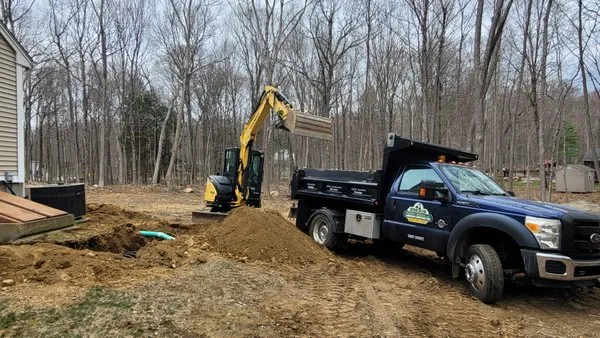
RD3 Property Services, LLC is a trusted local contractor founded in Crystal Lake, CT, in 2016 by owner-operator Ricky Dorman. With over a decade of hands-on experience in landscape construction, Ricky...
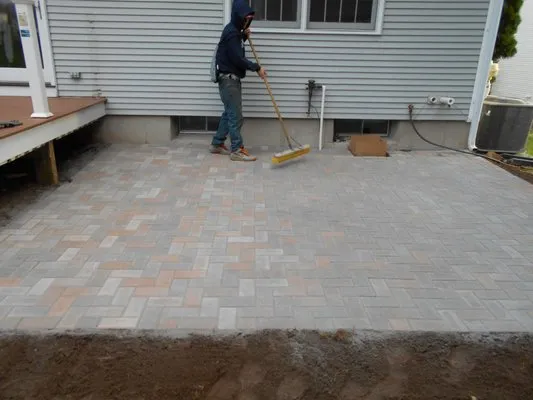
G & M Landscaping is a Thompson-based company built on over 30 years of hands-on agricultural and horticultural experience. Owned and operated by Butch Johnson, we specialize in comprehensive landscap...
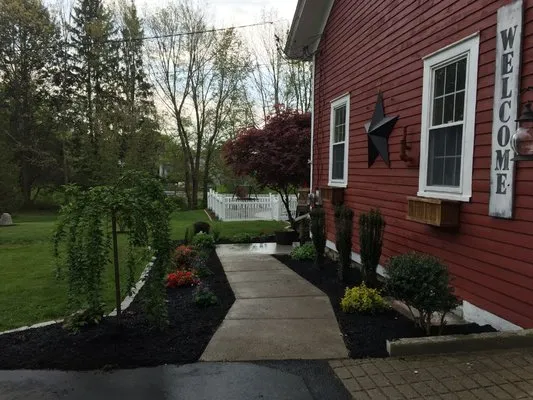
Ameriscape Landscape & Design has been a trusted name in Brooklyn, CT, and the surrounding Northeast Connecticut area since 1997. Founded on a genuine passion for the outdoors, the company has built a...

Diamond Cuts Landscaping is a Woodstock, CT-based lawn care provider driven by a genuine passion for cultivating exceptional landscapes. As the only company in New England with a specific certificatio...
BR Lawn Care is a dedicated local lawn service provider serving Windham, CT, and the surrounding areas. We specialize in comprehensive lawn care to keep your property healthy and well-maintained. In W...

CVG Services is a locally-owned landscaping company in Pomfret Center, CT, founded 15 years ago by an owner passionate about working outdoors and operating machinery. We serve the Woodstock area with ...

Bracy is a licensed and insured local handyman, landscaping, and junk removal business serving Killingly, CT. We provide comprehensive home and property services including appliance work, drywall repa...
Pivotal Landscape
Pivotal Landscape is your trusted Eastford partner for transforming and maintaining your outdoor space. We specialize in comprehensive solutions from foundational masonry and concrete work to seasonal...
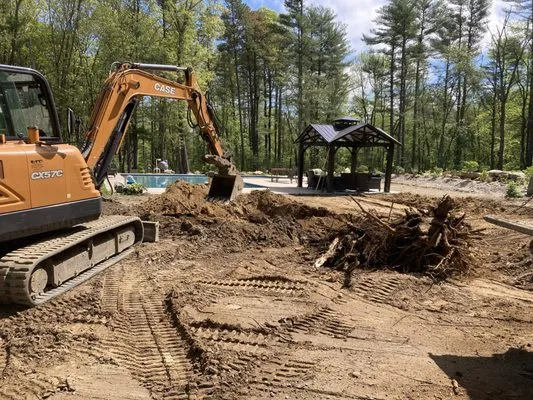
Sevigny Excavation Services is a locally owned and operated company providing comprehensive land management solutions to homeowners and contractors throughout Thompson and northeast Connecticut. We sp...
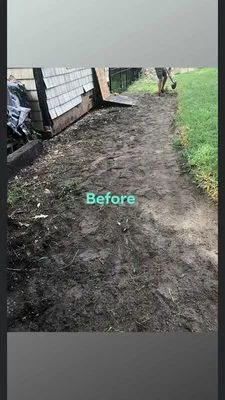
Johns Landscaping & Snow Plowing is a trusted local provider in Danielson, CT, specializing in comprehensive lawn care and reliable snow removal services. Many Danielson homeowners face common landsca...
Estimated Landscaping Service Costs in Thompson, CT
FAQs
What permits and licenses are required for major landscaping projects on Thompson properties?
Grading or earth-moving projects on Thompson's 1.2-acre lots typically require permits from the Thompson Planning and Zoning Department, especially when altering drainage patterns or adding impervious surfaces. Contractors must hold appropriate licensing through the Connecticut Department of Consumer Protection, which verifies competency in erosion control and stormwater management. Projects affecting more than one acre may trigger additional state regulations under Connecticut's General Permit for Stormwater Discharge. Proper documentation ensures compliance with local ordinances and protects property value during resale.
How can I reduce lawn maintenance while supporting local biodiversity in Thompson?
Replacing high-maintenance turf areas with native plantings like Common Milkweed, New England Aster, Joe-Pye Weed, and Switchgrass creates resilient landscapes that require minimal inputs. These deep-rooted natives improve soil structure, reduce irrigation needs by 75%, and provide essential habitat for pollinators. Transitioning to electric maintenance equipment ahead of potential gas-blower restrictions aligns with Thompson's noise ordinance framework while reducing emissions. This approach creates a fire-wise landscape with defensible space in moderate Wildland-Urban Interface zones.
Why does my 1950s Thompson Hill lawn struggle with compaction and poor drainage?
Thompson Hill properties built around 1956 have 70-year-old soil profiles where decades of foot traffic and conventional maintenance have degraded the original acidic sandy loam structure. This soil type naturally has low organic matter content, which has likely decreased further over time, reducing permeability and increasing compaction. Core aeration in early spring followed by top-dressing with composted organic matter can rebuild soil structure by improving water infiltration and microbial activity. Addressing these foundational issues is more effective than surface-level treatments for long-term turf health.
What invasive species should Thompson homeowners watch for, and how can they be managed safely?
Japanese knotweed, garlic mustard, and oriental bittersweet pose significant threats in Thompson's acidic sandy loam soils, outcompeting native vegetation. Manual removal before seed set combined with targeted spot treatments using glyphosate alternatives minimizes chemical use. These approaches comply with Connecticut's statewide phosphorus ban while avoiding blackout dates for fertilizer applications. Regular monitoring during peak growing seasons prevents establishment, particularly important on 1.2-acre properties where invasives can spread rapidly through disturbed areas.
What drainage solutions work best for Thompson's seasonal high water table and frost heave risks?
Thompson's acidic sandy loam combined with seasonal high water tables creates significant frost heave and drainage challenges. Installing French drains with proper gravel bedding and geotextile fabric can redirect subsurface water away from foundations. Using permeable fieldstone or concrete pavers for hardscapes increases surface infiltration while meeting Thompson Planning and Zoning Department runoff standards. For severe cases, dry wells connected to downspouts provide additional storage capacity during heavy precipitation events common in USDA Zone 6a.
How quickly can you respond to emergency storm damage cleanup in Thompson?
Our electric maintenance fleet can dispatch from Thompson Town Hall to reach most Thompson Hill properties within 25-40 minutes during peak response times, using I-395 for efficient routing. This rapid response capability is particularly valuable for HOA compliance situations requiring immediate attention to fallen branches or debris. Electric equipment operates quietly within standard noise ordinance hours (7:00 AM to 9:00 PM), allowing for extended work windows without disturbance. We prioritize safety assessments before beginning cleanup operations on affected 1.2-acre lots.
How do smart irrigation systems help maintain Kentucky Bluegrass during dry periods without violating water restrictions?
Smart Wi-Fi soil moisture sensor controllers optimize irrigation by using real-time evapotranspiration (ET) data and soil moisture readings to apply water only when needed. These systems can reduce water usage by 30-50% compared to traditional timers while maintaining Kentucky Bluegrass and Fine Fescue health. During voluntary conservation periods in Thompson, the technology automatically adjusts schedules based on weather forecasts and actual soil conditions. This precision irrigation prevents overwatering that could lead to fungal issues in the region's acidic sandy loam soils.
Are fieldstone and concrete pavers better than wood for Thompson outdoor living spaces?
Fieldstone and concrete pavers offer superior longevity and lower maintenance compared to wood in Thompson's climate, with lifespans exceeding 25 years versus wood's 10-15 years. These materials provide excellent permeability when installed with proper base preparation, reducing runoff issues in areas with seasonal high water tables. Their non-combustible nature contributes to defensible space requirements in moderate Fire Wise zones, unlike wood which presents fuel continuity risks. Properly installed paver systems also accommodate frost heave movement better than rigid concrete slabs.
