Top Landscaping Services in Thomaston, CT, 06787 | Compare & Call
There are 132 landscaping companies server in Thomaston CT
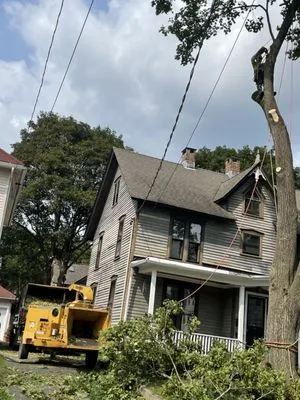
Mike's Tree Service & Landscaping is a Torrington-based company with over 14 years of experience serving Litchfield, Hartford, New Haven, and Fairfield counties. We specialize in comprehensive tree ca...
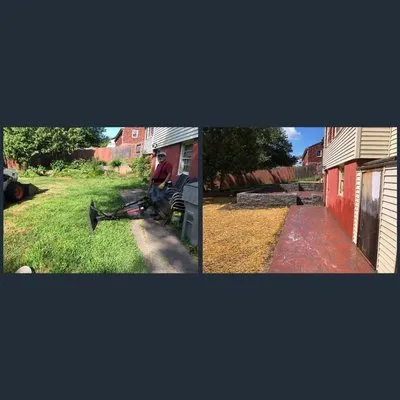
DB Landscape is a Wolcott-based landscaping company with over a decade of experience serving homeowners and businesses in the local community. We specialize in creating enduring outdoor spaces designe...
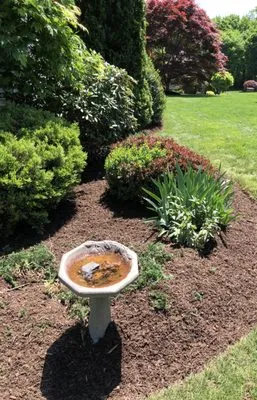
LJ's Landscaping is a family-owned business in Prospect, CT, built on a foundation of genuine care and dedication. Inspired by a commitment to helping our neighbors, we focus on making homes beautiful...
Evan's Lawn Services is a Watertown-based landscaping provider dedicated to helping residents achieve and maintain a healthy, attractive property. We focus on practical, reliable solutions for local h...
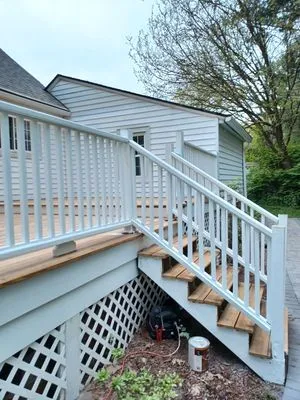
For over 40 years, Only Solutions has been a trusted resource for Waterbury homeowners, offering a comprehensive suite of skills in carpentry, lawn care, and exterior painting. Founder John H. believe...
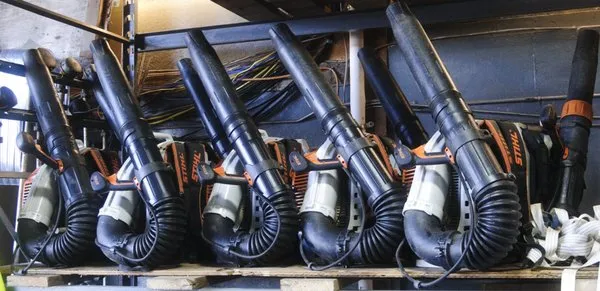
Sunview Property Services is a fully licensed and insured landscaping company serving Morris, CT, and the surrounding areas. We are dedicated to responsive, reliable customer service, guaranteeing a r...

M&S Cleaning Services is a trusted, locally-owned company providing comprehensive cleaning and property maintenance solutions to Waterbury, CT. We specialize in commercial and residential cleaning, in...
Gerhard Landscaping is a trusted, full-service landscaping company serving Wolcott, CT, and the surrounding area. Specializing in landscape design, irrigation systems, and greenscape design, we help h...
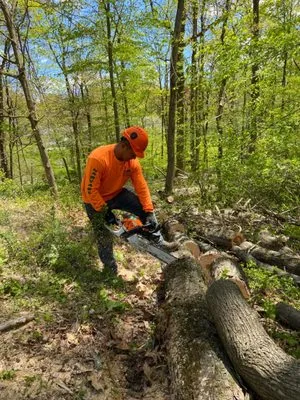
Steven’s Tree Service & Landscaping
Steven’s Tree Service & Landscaping is a family-owned business in Danbury, CT, with over 11 years of experience providing tree care and landscaping services. We specialize in landscape design, lawn ca...
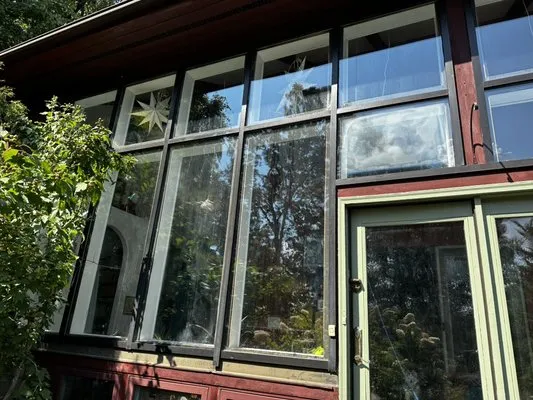
Authentic Quality Maintenance LLC is a trusted local provider in Meriden, CT, offering reliable maintenance solutions for both residential and commercial clients. We specialize in carpet cleaning, law...
Estimated Landscaping Service Costs in Thomaston, CT
Q&A
How can I reduce maintenance while supporting local biodiversity?
Replacing high-water turf with native plantings like Common Milkweed, New England Aster, and Little Bluestem creates drought-resistant landscapes that support pollinators. These species require no chemical fertilizers under Connecticut's phosphorus restrictions and thrive in acidic sandy loam. Electric maintenance equipment operates quietly within noise ordinance hours while eliminating gas emissions. The transition reduces mowing frequency from weekly to seasonal, cutting water use by 60-70% in established zones.
How quickly can you respond to storm damage for HOA compliance?
Emergency cleanup crews dispatch from the Thomaston Opera House area via Route 8, maintaining 20-30 minute peak response times. We prioritize safety assessments before debris removal, coordinating with local utilities when necessary. Our electric maintenance fleet operates within 8:00 AM to 8:00 PM noise ordinance hours while meeting most HOA 48-hour compliance windows. Documentation includes before/after photos and disposal receipts for insurance claims.
Why choose bluestone over wood for patios in fire-prone areas?
Bluestone pavers provide non-combustible surfaces that meet Low to Moderate Fire Wise Rating requirements for WUI Zone 2 compliance. Unlike wood decks requiring chemical treatments, bluestone maintains structural integrity for 30+ years with minimal maintenance. The material's natural thermal mass moderates temperature extremes while creating defensible space around structures. Proper installation with polymeric sand joints prevents weed growth without herbicides, maintaining 5-foot clearance zones from combustible vegetation.
Why does my Thomaston lawn struggle with compaction and poor drainage?
Downtown Thomaston properties average 88 years of soil development since 1938 construction, creating mature but compacted acidic sandy loam. This soil type naturally resists water infiltration, requiring annual core aeration to improve permeability. Organic amendments like composted leaf mold address pH 5.5-6.5 acidity while building soil structure. Regular soil testing every 2-3 years tracks nutrient availability in this established neighborhood environment.
What solutions prevent basement flooding from seasonal runoff?
Acidic sandy loam soils in Thomaston experience high runoff and frost heave due to limited permeability. Installing French drains with clean stone aggregate redirects water away from foundations. Bluestone pavers in permeable patterns meet Thomaston Building Department runoff standards by allowing 80-90% infiltration. Grade corrections of 2% slope over 10 feet from structures, combined with rain gardens in low spots, address seasonal drainage hazards common in 0.35-acre lots.
What permits and licenses are needed for landscape grading projects?
The Thomaston Building Department requires grading permits for any earth movement exceeding 50 cubic yards on 0.35-acre lots. Connecticut Department of Consumer Protection licensing mandates HIC registration for contractors performing excavation, drainage, or retaining wall work. Projects affecting stormwater runoff need additional review under municipal codes, particularly when modifying natural drainage patterns. Always verify contractor licensing through the state database before signing contracts for structural landscape modifications.
Can smart irrigation keep my lawn healthy during drought restrictions?
Wi-Fi ET-based weather sensing irrigation calculates evapotranspiration rates specific to Thomaston's microclimate, reducing water use 20-40% compared to traditional systems. These controllers adjust daily schedules based on real-time weather data, preserving Kentucky Bluegrass and Fine Fescue mixes during normal water restriction periods. The technology automatically skips cycles during rainfall and reduces runtime as temperatures drop, maintaining municipal compliance while preventing turf stress.
What invasive species threaten Thomaston landscapes and how do we control them?
Japanese knotweed and garlic mustard present primary invasive risks in USDA Zone 6a, spreading rapidly through acidic sandy loam. Manual removal before seed set in early spring prevents chemical dependency. For persistent infestations, targeted glyphosate applications follow Connecticut's fertilizer ordinance timing, avoiding blackout periods near waterways. Soil solarization with clear plastic during peak mulching season suppresses regrowth without violating phosphorus restrictions for turf areas.
