Top Landscaping Services in Stafford, CT, 06071 | Compare & Call
There are 129 landscaping companies server in Stafford CT

Executive Management Group
Executive Management Group is a trusted Ashford, CT contractor specializing in landscaping, general contracting, and snow removal. We help homeowners enhance their properties with comprehensive servic...
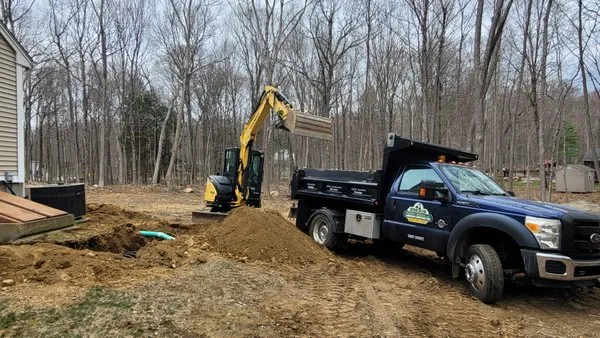
RD3 Property Services, LLC is a trusted local contractor founded in Crystal Lake, CT, in 2016 by owner-operator Ricky Dorman. With over a decade of hands-on experience in landscape construction, Ricky...
Mr Mow It All has been a trusted lawn care and junk removal provider serving Union, CT, and surrounding Connecticut communities for over nine years. We specialize in customized solutions for both resi...
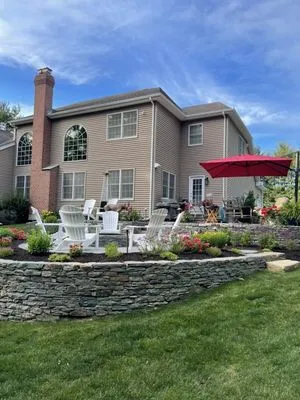
Kosilla Landscaping Services provides expert, reliable landscaping solutions for Ellington, CT homeowners and businesses. Specializing in addressing common local issues like yard drainage problems and...
Appalachian Landscape is a full-service landscaping company serving Ashford, CT, and the surrounding areas. We specialize in creating and maintaining beautiful, functional outdoor spaces for local hom...
HHH Property Maintenance is your trusted, local partner for year-round property care in Ashford, CT. We specialize in snow removal and landscaping services tailored to the specific needs of our commun...
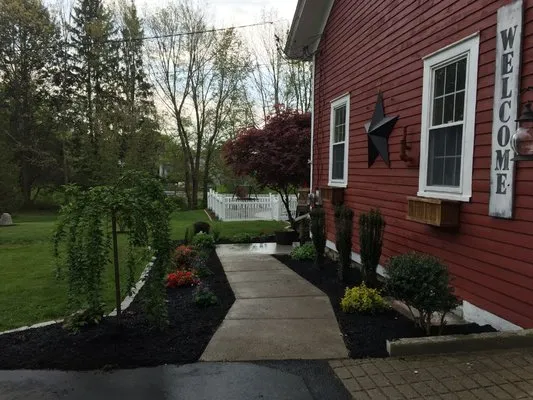
Ameriscape Landscape & Design has been a trusted name in Brooklyn, CT, and the surrounding Northeast Connecticut area since 1997. Founded on a genuine passion for the outdoors, the company has built a...
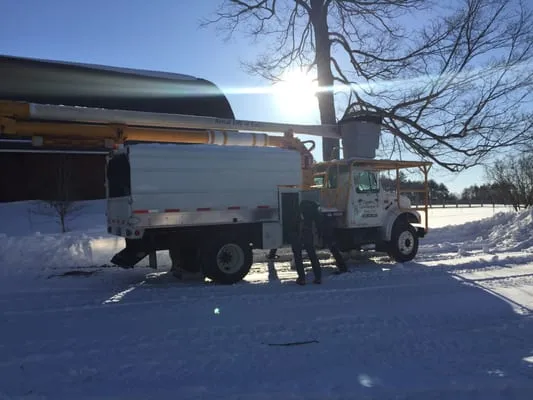
Country Landscapes & Tree, LLC
Founded in 2002 by Dan and Melissa, a licensed arborist and a Master Gardener with a UConn paralegal degree, Country Landscapes & Tree, LLC has grown into a trusted, woman-owned family business in Ash...
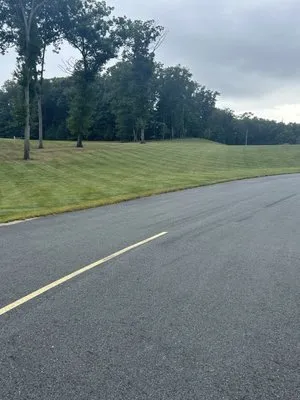
Diamond Cuts Landscaping is a Woodstock, CT-based lawn care provider driven by a genuine passion for cultivating exceptional landscapes. As the only company in New England with a specific certificatio...
Pettinato Landscaping is a trusted, locally-owned landscaping company serving Willington, CT, and the surrounding areas. We understand the unique challenges homeowners face in our region, such as rock...
Estimated Landscaping Service Costs in Stafford, CT
Questions and Answers
Why is my lawn so thin and compacted compared to newer neighborhoods?
Stafford Springs properties built around 1948 have fine sandy loam soil that has matured for over 75 years. This extended period without major soil intervention has led to severe compaction and a depletion of organic matter. The acidic pH range of 5.5-6.2, while suitable for some natives, inhibits nutrient availability for turfgrass. Annual core aeration and applications of compost are essential to rebuild soil structure and microbial activity for healthy root growth.
Should I use local stone or pressure-treated wood for a new patio that will last?
For longevity and minimal maintenance, local granite or bluestone pavers are superior to wood. Stone is inert, does not rot, warp, or require chemical treatments, and its lifespan is measured in decades. In the context of Stafford's Moderate Fire Wise rating, stone patios also create essential non-combustible defensible space near the home, a critical feature in the Wildland-Urban Interface. The initial investment yields long-term durability and safety.
My yard stays soggy and I see frost heave damage on my walkway every spring. What's the solution?
This is a classic result of Stafford's acidic fine sandy loam and seasonal high water table. The solution involves improving subsurface drainage with perforated pipe in gravel trenches and regrading to direct surface flow away from foundations. For patios or walkways, using permeable base materials beneath local granite or bluestone pavers allows water infiltration, reducing frost heave pressure. These methods often meet Stafford Planning & Zoning Department's stormwater runoff standards.
Can I have a green lawn while following Stafford's voluntary water conservation rules?
Yes, maintaining a Kentucky Bluegrass and Fine Fescue blend is achievable under Stage 1 conservation. The key is using a Soil Moisture Sensor (SMS) controller, which overrides scheduled watering based on actual soil conditions. This ET-based irrigation prevents overwatering, directly addressing the voluntary limits. It also combats the seasonal high water table by ensuring irrigation only occurs when the root zone is dry, promoting deeper roots.
How quickly can a crew arrive for emergency storm debris cleanup to meet HOA deadlines?
For urgent HOA compliance or storm response, a dispatched crew can typically be on-site within 45 to 60 minutes during peak conditions. The standard routing from our Stafford Town Hall base uses I-84 for efficient access across town, factoring in local traffic. This allows for rapid assessment and mobilization of equipment for debris removal, limb trimming, and site stabilization.
What are the most aggressive weeds here, and how do I treat them without harming my soil?
In Stafford, invasive species like Japanese Knotweed and Garlic Mustard pose significant risks. Treatment requires a targeted, systemic herbicide applied at specific growth stages, combined with careful manual removal. Crucially, any fertilizer application must follow Connecticut law, which restricts phosphorus use to new lawns or a proven soil test deficiency. This integrated approach manages invasives without violating fertilizer ordinances or damaging soil biology.
Do I need a permit to regrade my yard or install a dry creek bed for drainage?
Yes, significant grading work or altering site drainage on a 0.55-acre lot typically requires review by the Stafford Planning & Zoning Department to ensure compliance with erosion control and wetland regulations. Furthermore, contracting this work requires a licensed professional. The Connecticut Department of Consumer Protection licenses landscape contractors, and using a licensed entity is mandatory for this type of earth-moving and drainage infrastructure project to ensure it is performed to code.
Is there a low-maintenance, eco-friendly alternative to my high-input grass lawn?
Transitioning sections of turf to a landscape of USDA Zone 6a native plants like Eastern Redbud, Highbush Blueberry, and Little Bluestem dramatically reduces water, fertilizer, and mowing needs. This xeriscaping approach builds biodiversity and resilience ahead of potential gas equipment restrictions. A blend of Joe-Pye Weed and Swamp Milkweed also supports critical pollinators, enhancing the property's ecological function within the Wildland-Urban Interface.
