Top Landscaping Services in Southport, CT, 06890 | Compare & Call
There are 170 landscaping companies server in Southport CT
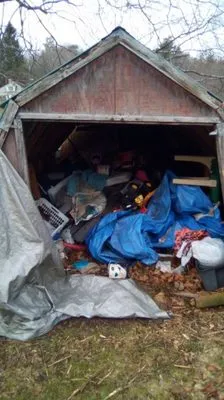
Moveforless is a Bridgeport-based moving, home cleaning, and landscaping company founded in 2004 by a local entrepreneur who started with just flyers and determination. As a father-and-son team with o...
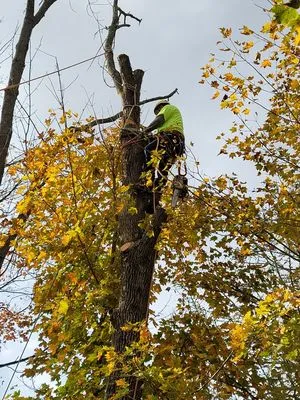
Lorenzo's Landscaping & Tree Service
Lorenzo's Landscaping & Tree Service is a trusted, full-service provider right here in Stratford, CT. We understand the common local challenges homeowners face, from unsightly dead patches in lawns to...
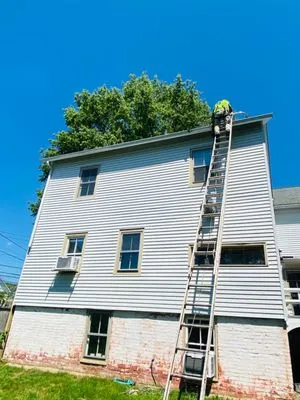
G&R Handyman Services has been a trusted partner for New Haven homeowners since 2007. With over 18 years of experience, our team provides reliable solutions for a comprehensive range of home and prope...
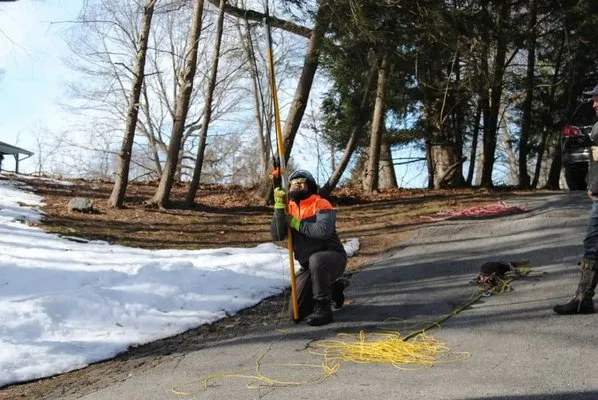
TreeLine Landscaping is a Stratford-based company founded by Ivan, who combined his marketing background with formal horticulture training to create a full-service property care business. Originally f...

Shelter Rock Landscaping is a family-owned business based in Fairfield, CT, dedicated to creating personalized outdoor environments. With deep roots in the community, they approach every project with ...
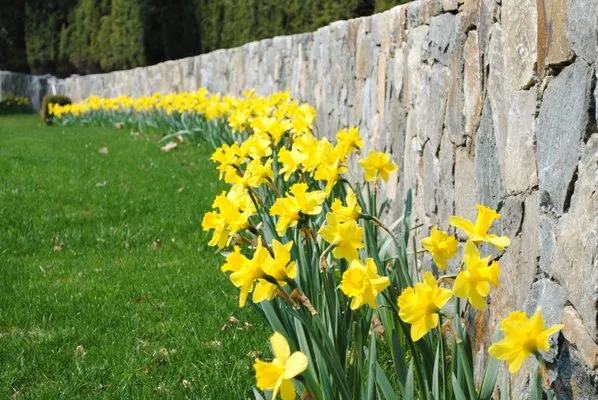
New England Landscaping in Fairfield, CT, is a family-owned and operated business with over 40 years of dedicated service to the Fairfield County community. Founded by a veteran who turned his lifelon...

Refined Lawn Care serves homeowners in Bridgeport, CT, with reliable property maintenance services. We bring expertise from our established operations to address common local challenges. Our focus is ...
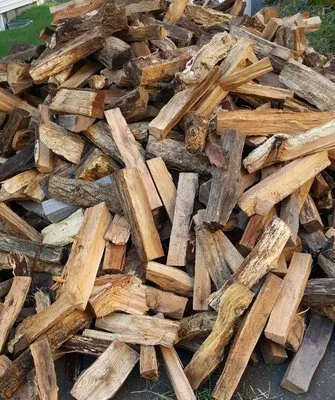
New England Landscapes is a licensed and certified landscaping company serving Orange, CT, and the surrounding towns. We are an honest, hard-working team, holding both NOFA certification for Organic F...
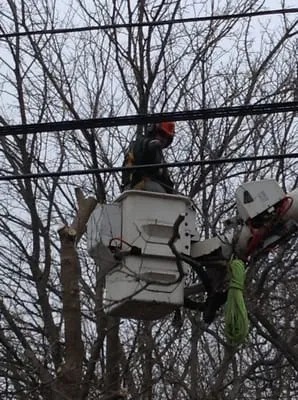
Tessier's Landscaping
Tessier's Landscaping is a family-owned and operated business serving Fairfield, CT, with deep local roots. Founded in 1970 by William Tessier II, the company is now run by his son, Bill Tessier III, ...
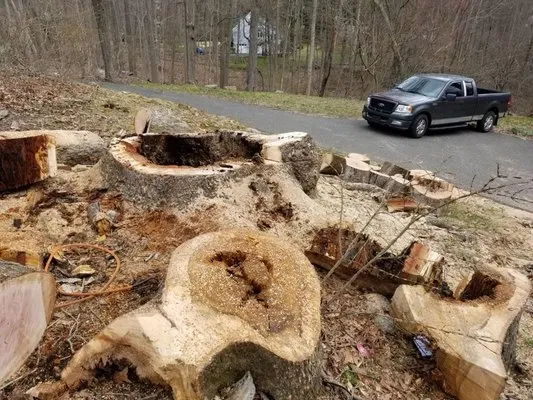
Sunset Landscaping is a Bridgeport, CT family business founded on deep local expertise. Owner Jose combines formal training in turf & ornamental design with hands-on experience from years as a nursery...
Estimated Landscaping Service Costs in Southport, CT
Common Questions
What alternatives reduce mowing and gas equipment use?
Transitioning turf areas to native plantings like Clethra alnifolia, Asclepias tuberosa, and Panicum virgatum significantly reduces maintenance requirements. These species thrive in Southport's acidic sandy loam without supplemental irrigation once established. Native landscapes require minimal mowing and eliminate gas-powered blower use, aligning with evolving noise ordinances. This approach supports 2026 biodiversity standards while creating habitat for pollinators adapted to Connecticut's coastal conditions.
Are bluestone patios worth the investment over wood decks?
Bluestone offers superior longevity in Southport's coastal environment, with 50+ year lifespans versus wood's 15-20 years with constant maintenance. Its natural thermal mass moderates temperature fluctuations while permeable installation methods manage stormwater runoff. For properties in low Firewise rating zones, bluestone provides non-combustible defensible space without the decay susceptibility of wood near salt air. Properly installed with appropriate base materials for sandy loam soils, it maintains stability despite high water table conditions.
Can I maintain Kentucky Bluegrass during Stage 1 water restrictions?
Smart Wi-Fi ET-based weather sensing irrigation systems optimize water application by calculating evapotranspiration rates specific to Southport's microclimate. These systems automatically adjust schedules based on real-time weather data, reducing water use by 20-30% while preserving turf health. During voluntary conservation periods, programming deeper, less frequent watering encourages deeper root growth in sandy loam soils. This approach maintains turf quality while staying well within municipal water limits.
What permits and licenses are needed for landscape grading work?
Grading projects on Southport's 0.45-acre average lots require Fairfield Town Planning and Zoning Department approval for any significant earth movement. Contractors must hold Connecticut Department of Consumer Protection landscaping licensure, which includes specific training on erosion control and stormwater management. Coastal zone regulations may trigger additional reviews for projects affecting drainage patterns or vegetation buffers. Professional licensing ensures compliance with Connecticut's fertilizer laws and proper handling of acidic sandy loam soil amendments.
What solutions address frequent pooling in my coastal property?
Southport's high water table and coastal storm surge risk require engineered drainage solutions beyond simple grading. Permeable pavers and dry well systems increase soil infiltration rates in sandy loam while meeting Fairfield Town Planning runoff standards. French drains with proper slope calculation redirect subsurface water away from foundations. These systems must account for the area's 0.45-acre average lot size and soil permeability characteristics to prevent saturation during heavy rainfall events.
How quickly can you respond to storm damage for HOA compliance?
Emergency cleanup crews dispatch from the Pequot Library area, accessing I-95 for efficient routing throughout Southport. During peak conditions, arrival typically occurs within 20-30 minutes. Our electric maintenance fleet operates within Fairfield's noise ordinance restrictions for gas-powered equipment, allowing immediate response without violating 8am-6pm weekday limitations. This ensures rapid debris removal while maintaining neighborhood quiet hours compliance.
Why does my Southport Village lawn struggle despite regular care?
Southport Village properties, averaging 61 years of development since 1965, have acidic sandy loam soil that has become compacted over decades. This soil type naturally has low organic matter and poor water retention, exacerbated by years of foot traffic and conventional maintenance. Core aeration every 2-3 years is essential to improve soil percolation and oxygen exchange. Incorporating compost or leaf mold can gradually adjust pH toward 6.5 while building soil structure for healthier turf establishment.
How do I control invasive species without chemical runoff concerns?
Japanese knotweed and mugwort present particular risks in Southport's disturbed soils near I-95 corridors. Mechanical removal during early growth stages prevents seed dispersal while complying with Connecticut's phosphorus application restrictions. Targeted organic herbicides applied during dry periods minimize leaching into the coastal water table. Implementing dense native plantings creates competitive pressure against invasives, reducing long-term management needs while protecting sensitive shoreline ecosystems.
