Top Landscaping Services in Southington, CT, 06444 | Compare & Call

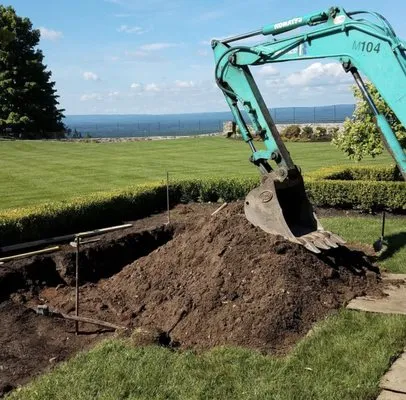
Winterberry Gardens is a full-service Southington landscaping company founded by brothers Scot and Al Leavitt. Starting in 1985 as Environmental Designs, the brothers grew the business through dedicat...
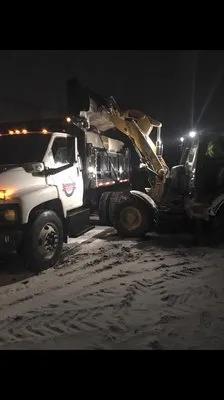
Schmidt Lawn Care
Schmidt Lawn Care is a Southington-based provider of comprehensive landscape and property maintenance services. We specialize in artificial turf systems—offering professional installation, routine cle...
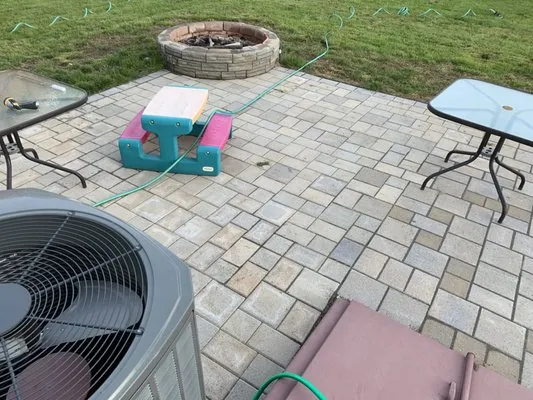
Founded in 2018, Ascape Landscaping is a dedicated, family-operated business serving Southington, CT, and the surrounding Scranton area. We specialize in transforming both residential and commercial p...
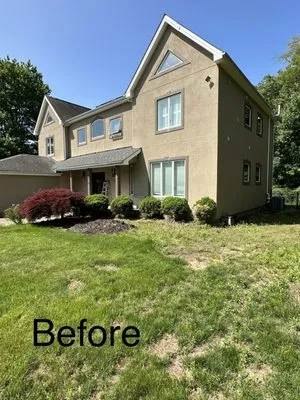
Landscaping Works
Landscaping Works is a full-service landscaping company serving Southington, CT, specializing in excavation, tree care, and comprehensive landscape solutions. We help homeowners and businesses address...
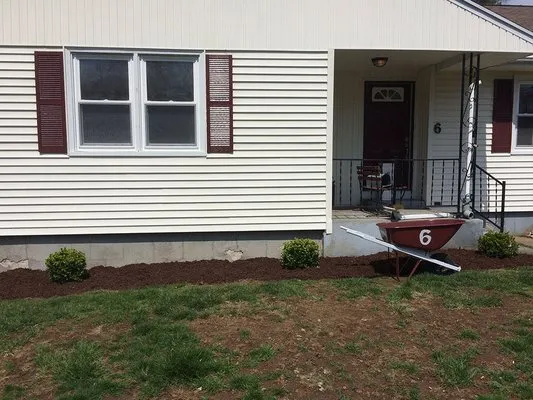
Matt Normandin Landscaping is a trusted, locally-owned service provider in Southington, CT, dedicated to solving the common outdoor challenges homeowners face. Specializing in gardening, landscape mai...
John Meade Lawn Maintenance
John Meade Lawn Maintenance is a family-owned and operated lawn care and snow removal service proudly serving Southington, CT, and the surrounding areas. With over 25 years of local experience, we spe...

Pete's Lawn Care is a locally owned and operated landscaping service proudly serving Southington, CT, and surrounding areas. With over 15 years of experience, owner Pete provides a dependable, hands-o...

HQ Landscaping
HQ Landscaping is a locally owned and operated landscaping service based in Southington, CT, with over 20 years of dedicated experience serving Central Connecticut. As a licensed provider, we speciali...
SM Lawn Care & Landscaping
SM Lawn Care & Landscaping is a trusted, full-service provider for Southington, CT homeowners, delivering year-round solutions to enhance and protect your property. We understand the specific challeng...
Apple Valley Lawn Care is a trusted Southington, CT landscaping company dedicated to solving common local lawn problems like dead patches and soil compaction. We understand the unique challenges of Co...
FAQs
Why does my Plantsville lawn have drainage issues and poor grass growth?
Southington's 1974-built homes have 52-year-old soil systems that have compacted over time. The acidic sandy loam common in Plantsville naturally loses permeability as organic matter decomposes, creating a dense layer that restricts root growth and water infiltration. Core aeration every 2-3 years with compost amendments addresses this by improving soil structure and increasing water-holding capacity. Without intervention, this soil profile leads to seasonal waterlogging and nutrient deficiencies.
How quickly can you respond to storm damage for HOA compliance?
Emergency cleanup crews dispatch from Southington Town Green with electric equipment to comply with noise ordinances. Using I-84, they reach Plantsville neighborhoods within 20-30 minutes during peak conditions. This rapid response ensures fallen branches and debris are cleared before violating HOA appearance standards. Electric chainsaws and sweepers operate within restricted hours while maintaining neighborhood quiet.
Can I maintain Kentucky Bluegrass during Stage 1 water restrictions?
Smart Wi-Fi soil moisture sensor controllers optimize irrigation by tracking evapotranspiration rates and soil conditions. These systems apply water only when turfgrass root zones reach predetermined dryness thresholds, typically reducing usage by 30-40%. This precision maintains Fine Fescue and Kentucky Bluegrass health while staying within voluntary conservation limits. Properly calibrated sensors prevent overwatering that would violate municipal guidelines.
What solutions exist for moderate runoff on my sloped property?
Seasonal high water tables in Southington's sandy loam require permeable hardscape integration. Concrete pavers with gravel joints or dry-laid bluestone allow 40-60% water infiltration compared to solid surfaces. These materials meet Planning and Zoning Department runoff standards while directing excess moisture to rain gardens planted with Switchgrass. French drains connected to daylighted outlets provide additional protection against basement flooding.
How can I reduce maintenance while supporting local ecology?
Replacing high-input turf with Eastern Redbud, Joe Pye Weed, and New England Aster creates low-water landscapes that support pollinators. These natives require no chemical fertilizers and minimal pruning, eliminating gas-powered equipment use during restricted hours. Established native plantings need only seasonal attention, reducing carbon emissions from maintenance fleets. This approach aligns with 2026 biodiversity standards while cutting water consumption by 70-80%.
What invasive species threaten Southington landscapes and how are they managed?
Japanese knotweed and garlic mustard present significant risks in Connecticut's Zone 6b. Treatment involves targeted glyphosate applications during active growth periods, avoiding the statewide phosphorus ban blackout dates from November through March. Manual removal before seed set complements chemical control for organic preferences. Regular monitoring prevents establishment while protecting native Switchgrass and aster populations from competition.
What permits and licenses are needed for grading my 0.35-acre lot?
The Southington Planning and Zoning Department requires grading permits for soil movement exceeding 50 cubic yards on residential properties. Contractors must hold Connecticut Department of Consumer Protection landscaping licenses with specific endorsements for earthwork. Professional licensing ensures proper erosion control during construction and adherence to setback requirements. Unlicensed grading risks fines and voided property insurance for drainage-related damage.
Are concrete pavers better than wood for patio longevity?
Concrete pavers and bluestone offer 25-40 year lifespans versus wood's 10-15 years in Southington's freeze-thaw cycles. These non-combustible materials contribute to Firewise defensible space in low-risk urban interfaces by eliminating flammable decking. Properly installed with polymeric sand, they resist frost heave and weed penetration while maintaining permeability. This durability reduces replacement frequency and associated disturbance.
