Top Landscaping Services in Southbury, CT, 06487 | Compare & Call
There are 231 landscaping companies server in Southbury CT
I.R. Full Service is a trusted landscaping contractor serving New Milford, CT, and surrounding communities since 2014. We provide comprehensive lawn and property care designed for the specific needs o...
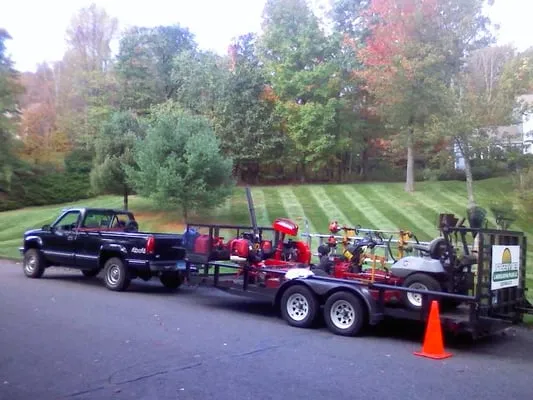
J&B Services Landscaping Plus is your trusted local expert for gardening and landscape maintenance in Middlebury, CT. We understand the common challenges homeowners face in our area, such as poor lawn...
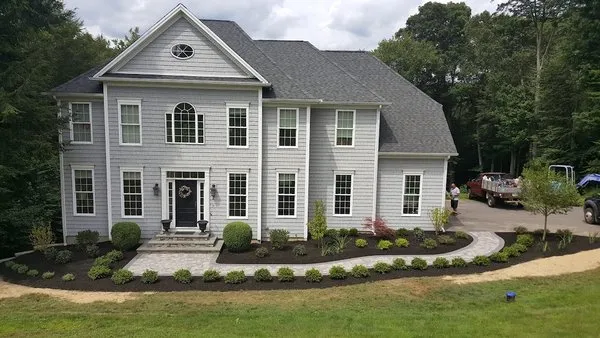
Founded in 1993, Carriage Landscaping brings over three decades of trusted service to Naugatuck, CT. The owner is personally involved in most projects, ensuring a hands-on approach and consistent qual...

Prestige Property Maintenance is your trusted local partner in Oxford, CT, dedicated to enhancing and protecting your outdoor property year-round. We specialize in excavation services like soil backfi...
Flik's Lawncare is a dedicated local lawn service provider in Oxford, CT, focused on creating and maintaining healthy, vibrant lawns for the community. We understand the common local challenges homeow...
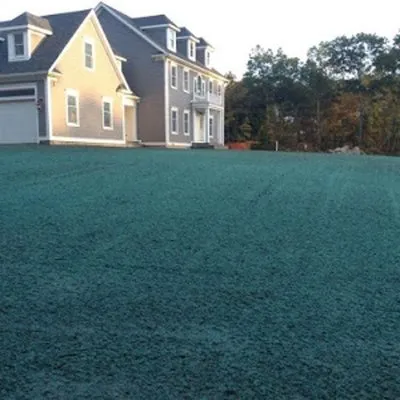
Connecticut Hydroseeding in Oxford, CT is a locally owned and operated lawn service provider specializing in modern hydroseeding solutions for residential and commercial properties. Our process combin...
Turf MD is a locally owned and operated lawn care company founded in Oxford, CT in 2010 by Benjamin Poniatowski. With over 25 years of experience, this family business specializes in comprehensive tur...
SiteOne Landscape Supply
SiteOne Landscape Supply is the trusted source for Middlebury homeowners tackling local landscaping challenges. When storms leave behind debris or your garden plants begin to struggle, our local team ...
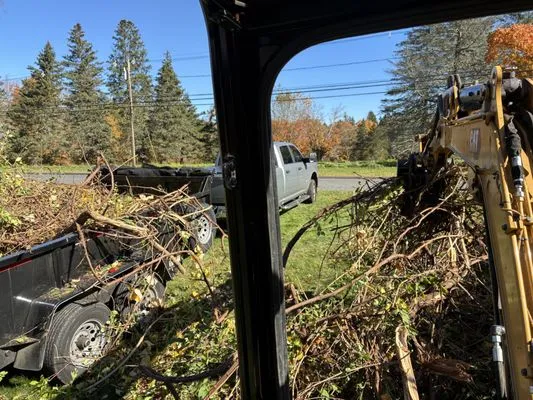
KJG Property Management LLC is your locally owned and operated landscaping and masonry partner in Southbury, Connecticut. With over eight years of dedicated service, we've built a reputation for metic...
Planet Landscaping serves homeowners in Oxford, CT, specializing in solving common local yard drainage issues. Many properties in the area struggle with standing water and poor drainage, which can dam...
Estimated Landscaping Service Costs in Southbury, CT
Common Questions
I've spotted invasive Japanese Knotweed and Barberry. How do I remove them without breaking fertilizer rules?
Targeted mechanical removal or approved herbicide application is required, as these invasives outcompete natives. Timing is critical to avoid the state phosphorus ban blackout dates; most non-lawn treatments are permissible. A soil test can confirm if any fertilizing is legally justified for rehabilitation afterward. Always dispose of invasive plant material off-site to prevent re-establishment.
My yard stays soggy and I'm worried about frost heave damaging my walkways. What's the fix?
A high seasonal water table combined with sandy loam's variable permeability creates this common issue. Installing a French drain system tied to a dry well can manage subsurface water. For new hardscapes, using permeable concrete pavers instead of solid concrete allows water to infiltrate, reducing surface runoff and mitigating frost heave, which also helps projects meet Southbury Building Department stormwater standards.
Is bluestone or a composite wood deck better for a long-lasting patio that's also fire-safe?
Bluestone and permeable concrete pavers offer superior longevity and lower maintenance than wood or composites, which degrade and require sealing. For fire safety in Southbury's Moderate WUI Zone 2, non-combustible hardscape materials like stone create essential defensible space. This inert surface also manages heat island effect better and integrates seamlessly with native planting buffers.
I want to regrade part of my 0.75-acre lot. What permits and contractor credentials should I verify?
Any significant grading that alters water flow or involves retaining walls over 4 feet requires a permit from the Southbury Building Department. For this work, ensure your contractor holds a valid Home Improvement Contractor license from the CT Department of Consumer Protection. On a lot of this size, improper grading can impact neighboring properties and drainage corridors, making proper licensing and permitting essential for legal and ecological protection.
I want to reduce mowing and gas equipment noise. What are my options for this zone?
Transitioning turf areas to a xeriscape with Connecticut natives like Butterfly Weed, Little Bluestem, and Joe Pye Weed significantly reduces maintenance. These deep-rooted plants require no weekly mowing, minimal watering once established, and provide superior habitat. This forward-looking approach aligns with evolving noise ordinances restricting gas blowers and supports regional 2026 biodiversity goals.
A major storm caused damage, and my HOA needs it addressed immediately. What's your emergency response time?
For urgent HOA compliance or storm cleanup, our standard dispatch from the Southbury Green area via I-84 places a crew at a Heritage Village property within 20-30 minutes during peak periods. We prioritize these calls with dedicated electric equipment fleets, which also comply with the town's noise ordinance for after-hours work if necessary to meet deadlines.
My lawn soil feels thin and compacted. Is this normal for a Heritage Village home built in the early 80s?
Yes, this is typical. Soil on lots from the 1980s has a maturity of approximately 45 years, insufficient for deep, stable topsoil development. The prevalent acidic sandy loam in this area compacts easily, limiting root penetration and nutrient retention. An annual core aeration program combined with top-dressing compost is critical to build organic matter and improve soil structure for healthy turf.
With Stage 1 water conservation in effect, how can I keep my Kentucky Bluegrass lawn healthy all summer?
Smart Wi-Fi ET-based irrigation is the solution. This system automatically adjusts watering schedules based on real-time evapotranspiration data from local weather stations. It applies water only when and where the turf needs it, preventing overwatering. This technology typically reduces municipal water use by 20-30% while maintaining the soil moisture required for a Fine Fescue and Bluegrass mix.
