Top Landscaping Services in Seymour, CT, 06483 | Compare & Call
There are 230 landscaping companies server in Seymour CT
Riverwood Groundskeeping is a locally owned and operated lawn care business serving Cheshire, CT, and surrounding communities. Founded by John and Jesse, the company provides professional lawn mainten...
Rivers Tree Service is a trusted, locally-owned company serving Ansonia and the surrounding areas of New Haven and Fairfield County for over a decade. We provide reliable tree care and landscaping sol...

Legendary Landscaping is a trusted lawn care provider serving New Haven, CT homeowners. We specialize in comprehensive lawn care services designed to address common local landscaping challenges, inclu...
Restless Tree and Landscaping is an award-winning, full-service landscape company proudly serving West Haven, CT, and the surrounding communities. We partner with homeowners to bring their outdoor vis...

Shorehaven Landscape is a Branford-based provider of comprehensive lawn and landscape services. Specializing in irrigation and landscape design, construction, and ongoing care, they offer tailored sol...
Paradise Landscaping & Tree Removal
Paradise Landscaping & Tree Removal is a fully insured and licensed Hamden, CT company serving all of New Haven County. We specialize in comprehensive property care, from emergency tree removal and ro...
Small World Landscaping is a dedicated lawn care provider serving New Haven, CT, and the surrounding communities. We specialize in creating and maintaining healthy, vibrant lawns that enhance your pro...
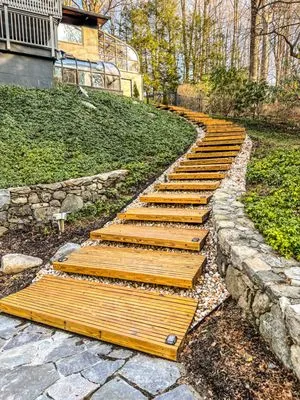
Outdoor Revivals is a family-owned masonry and landscaping contractor serving Ansonia, CT, with over 20 years of experience transforming outdoor spaces. Specializing in patios, walkways, retaining wal...

Thomas Capasso founded Capasso Landscaping in 2010 on a foundation of hard work, honesty, and craftsmanship. Starting as a small family operation, the company has grown into a trusted, full-service la...
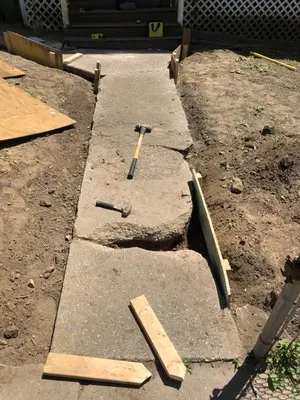
Daniel F. Fitzgerald IV, the owner of Home Help Network, is a proud father and West Haven resident dedicated to supporting his family through trusted home improvement work. With deep roots along the C...
Estimated Landscaping Service Costs in Seymour, CT
Q&A
I want a quieter, lower-maintenance yard. What are my options beyond weekly mowing?
Transitioning perimeter zones to a matrix of native plants like Eastern Redbud, Sweet Pepperbush, and Butterfly Weed drastically reduces mowing and fossil-fuel equipment use. This xeriscaping approach builds biodiversity, requires no synthetic inputs once established, and proactively aligns with evolving municipal noise ordinances concerning gas-powered blowers. Virginia Creeper is an excellent native alternative to invasive ground covers.
With Stage 1 water restrictions, how do I keep my Kentucky Bluegrass blend healthy without wasting water?
Smart Wi-Fi ET-based irrigation controllers are the technical solution. They automatically adjust runtime by calculating daily evapotranspiration (ET) using local weather data, applying water only as needed. This system can reduce usage by 20-30% versus a standard timer, keeping turf viable within voluntary conservation guidelines. Properly calibrated, it prevents the shallow rooting caused by fixed schedules.
Why does my lawn in Downtown Seymour feel compacted and drain poorly compared to newer neighborhoods?
Homes built around the 1964 average for Seymour have soil profiles over 60 years old, a critical maturity point. The predominant acidic sandy loam in these lots has likely seen decades of foot traffic and mower compaction, degrading its structure. This reduces permeability and oxygen for roots. Annual core aeration combined with top-dressing compost is essential to rebuild organic matter and restore healthy percolation.
What permits and licenses are needed to regrade and replant my 0.25-acre lot?
Significant regrading that alters water runoff patterns requires a permit from the Seymour Building Department. Furthermore, any contracted landscaping work exceeding $1,000 must be performed by a professional licensed through the Connecticut Department of Consumer Protection. This ensures the contractor carries requisite insurance and understands state laws, including the fertilizer and pesticide application regulations that apply to your property size.
My yard near the Naugatuck River gets soggy each spring. What's a lasting fix?
Moderate seasonal flooding in Seymour is exacerbated by sandy loam's limited capacity to move subsurface water. A tiered approach works best: install French drains to intercept groundwater, then regrade to direct surface flow away from foundations. For patios, specify permeable jointing for concrete pavers or bluestone; this increases infiltration and can help meet Seymour Building Department runoff management standards.
How quickly can you respond to an emergency storm cleanup for HOA compliance?
Our dispatch from French Memorial Park utilizes Route 8 for direct arterial access, targeting a 20-30 minute peak storm response window to Downtown Seymour. We prioritize triage for safety hazards like downed limbs blocking driveways. This logistics plan is designed to meet strict HOA violation deadlines following significant weather events in the Naugatuck River valley.
Are concrete pavers and bluestone a better long-term choice than wood for a patio?
Yes, for durability and lifecycle cost. Inorganic materials like concrete pavers and bluestone have a 30+ year lifespan with minimal upkeep, resisting rot and insect damage. They also support a higher Fire Wise Rating by creating a non-combustible defensible space, a prudent consideration even in Seymour's low-risk urban/suburban zone. Their thermal mass can moderate micro-climate temperatures near the home.
What invasive species should I watch for, and how do I remove them safely?
In Seymour, key invasives include Japanese Knotweed, Garlic Mustard, and Oriental Bittersweet. Manual removal for young plants is effective; for established stands, a targeted, systemic herbicide applied in late summer may be necessary. All treatments must comply with Connecticut's Fertilizer Law, which restricts phosphorus and has specific application blackout dates. Never compost invasive plant material.
