Top Landscaping Services in Scotland, CT, 06247 | Compare & Call

There are 207 landscaping companies server in Scotland CT

Chenail is a licensed landscaping and irrigation company based in West Hartford, CT, specializing in comprehensive outdoor care for residential and commercial properties. With expertise spanning lands...

Stumpy McGrinder's in Simsbury, CT, is a locally owned landscaping and tree service business that grew from personal necessity into a trusted community resource. During the COVID-19 pandemic, when man...
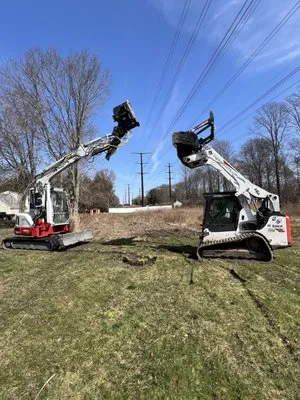
VegOut Forestry is a dedicated landscaping and forestry service based in Orange, CT, focused on transforming challenging outdoor spaces into clean, usable areas. We specialize in forestry mulching, a ...

The Nature Professionals in Manchester, CT is a family-owned business with deep roots in forestry and outdoor craftsmanship. Founded by someone born into a logging family from Newport, Vermont, the co...

Family Tree Landscaping & Sealcoating
Family Tree Landscaping & Sealcoating is your full-service partner for enhancing and protecting your New London, CT, property. From major earthmoving projects to routine lawn care, our skilled team ha...

JDP Services is a Hamden-based contractor specializing in landscaping, painting, and drywall installation and repair. Serving the local community, we help homeowners maintain and enhance their propert...

Shelby Services is a woman-owned construction and landscaping company serving Oxford, CT, with over 30 years of experience. We specialize in both commercial and residential projects, offering comprehe...
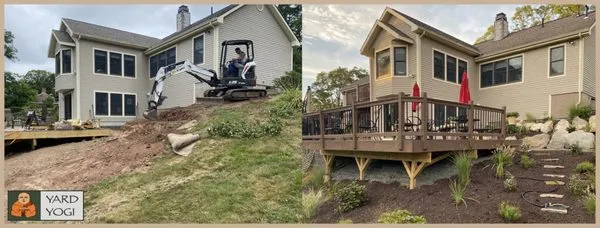
Yard Yogi
Yard Yogi began as a summer project between friends, Alex Karpen and our founder, who discovered a shared passion for turning creative landscape visions into reality. What started with a single job gr...
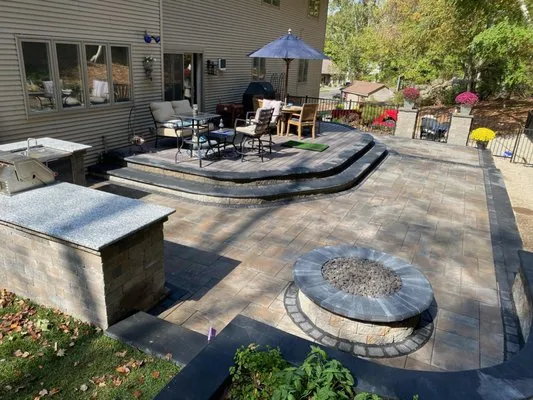
ABC Property Care
Founded in 2013 by Edgar Hernandez Medina, ABC Property Care began with a simple vision: to become the single, reliable contractor for all outdoor needs in South Windsor, CT. Starting with basic lands...
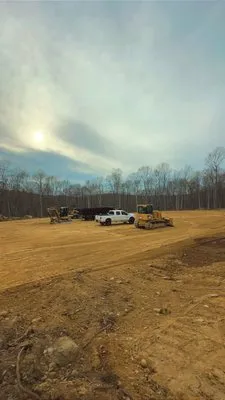
Townline Property Service has been a trusted partner in Ashford and surrounding areas for over a decade, providing comprehensive ground-up solutions for residential and commercial properties. We speci...
Estimated Landscaping Service Costs in Scotland, CT
Q&A
My yard is soggy in spring and then cracks in summer. What's the cause and fix?
This cycle is classic for Scotland's acidic sandy loam with a seasonally high water table and susceptibility to frost heave. The shallow, compacted layer impedes drainage, causing spring saturation, while summer exposes poor moisture retention. A graded French drain system tied to a dry well is often the solution. Using permeable materials like native granite fieldstone for any new patios can also reduce surface runoff, helping meet Scotland Building Department standards for stormwater management.
I want a lower-maintenance, quieter yard. What are my options beyond grass?
Transitioning high-maintenance turf to climate-adaptive plantings is a forward-thinking strategy. Incorporating natives like Eastern Redbud, Joe-Pye Weed, Switchgrass, and Highbush Blueberry drastically reduces mowing, watering, and the need for gas-powered blowers. This creates a resilient, biodiverse landscape that provides seasonal interest and habitat. It is a practical step ahead of potential future noise ordinances targeting combustion-engine maintenance equipment.
What invasive species should I watch for, and how do I remove them safely?
In Scotland's wooded interfaces, Japanese barberry, multiflora rose, and garlic mustard are prevalent invaders that outcompete natives. Manual removal for seedlings and targeted, licensed herbicide application for mature stands are effective. All treatment plans must comply with Connecticut's statewide phosphorus restrictions, which prohibit phosphorus-containing fertilizers on established lawns. Timing applications correctly avoids local blackout dates and protects watersheds.
Do I need a permit to re-grade my lawn or build a stone wall on my 2.5-acre lot?
Yes, significant grading that alters water flow or constructing a retaining wall over a certain height requires a permit from the Scotland Building Department. For a property of 2.5 acres, earthmoving can impact drainage patterns and neighboring parcels. Furthermore, any contractor performing this work must hold appropriate licensing through the Connecticut Department of Consumer Protection. This ensures they carry the required insurance and adhere to state building codes, protecting your investment.
Is bluestone or a wood deck better for a patio in our climate?
For longevity and low maintenance in Zone 6a, bluestone or native granite fieldstone is superior to wood. These materials withstand freeze-thaw cycles without rotting, warping, or requiring chemical treatments. From a Fire Wise perspective, stone patios create critical non-combustible defensible space in Scotland's Moderate Wildland-Urban Interface rating zone. This hardscape choice enhances property resilience with minimal ongoing upkeep compared to composite or natural wood.
Why does my lawn struggle in Scotland Center, and what does the age of my 1978 home have to do with it?
Homes built around 1978 in Scotland Center often have soils compacted by original construction machinery. After nearly 50 years, that acidic sandy loam has matured into a dense, nutrient-poor profile. This compaction severely limits soil percolation and root penetration for turfgrass. Core aeration and incorporating organic compost are critical first steps to rebuild soil structure and biology, directly addressing this legacy issue.
How fast can you respond for an emergency storm cleanup to meet an HOA deadline?
For urgent compliance work, our standard dispatch originates near the Scotland Public Library. Using Route 97, we can typically reach most Scotland Center properties within 45 to 60 minutes during a peak response scenario. We prioritize safety and coordinate with local authorities for road clearance. This allows for rapid assessment and mobilization of appropriate electric-powered equipment to begin debris management immediately.
Is it okay to run my sprinklers since there are no water restrictions right now?
While Stage 0 means no active municipal limits, efficient water use remains essential for soil and plant health. Smart Wi-Fi soil moisture sensor controllers are the industry standard for preventing overwatering. These systems apply water based on actual ET rates and soil conditions, preserving your Kentucky Bluegrass and Fine Fescue mix while conserving thousands of gallons annually. This proactive approach maintains turf quality without reliance on voluntary restrictions.
