Top Landscaping Services in Salmon Brook, CT, 06035 | Compare & Call
There are 120 landscaping companies server in Salmon Brook CT
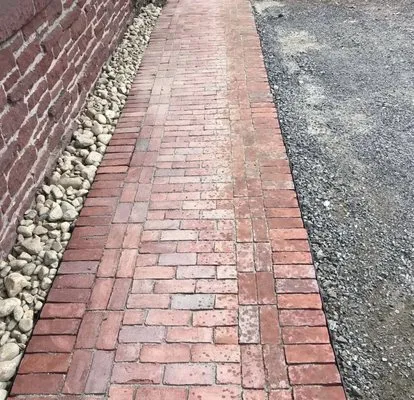
Nichols Property Care
At Nichols Property Care in Winsted, CT, we specialize in providing dependable property management services year-round. Our team is dedicated to maintaining your outdoor space with a focus on practica...
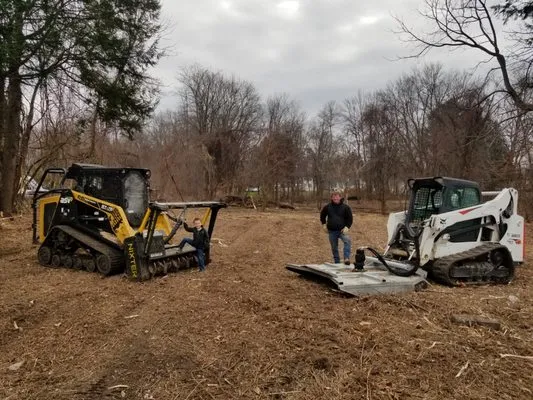
G Rocks is a full-service earthworks and landscape contractor serving Ellington, CT. Specializing in tree services, landscaping, and excavation, we provide comprehensive solutions to transform and mai...
Pristine Lawn Care is a locally-owned and operated lawn care service based in Ellington, CT, proudly serving Tolland and surrounding communities since 2015. Owner Randy Crawford, a Connecticut DEEP Su...
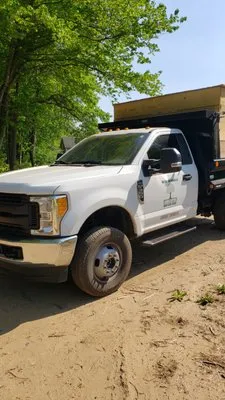
Valley Land Works is a full-service tree and landscape company serving Suffield, CT, and the Farmington Valley area for over 10 years. We specialize in comprehensive solutions for residential and comm...

Gregory Construction is your trusted local partner for property solutions in Seymour, CT. Specializing in excavation, lawn care, snow removal, and trench digging, we understand the common challenges h...
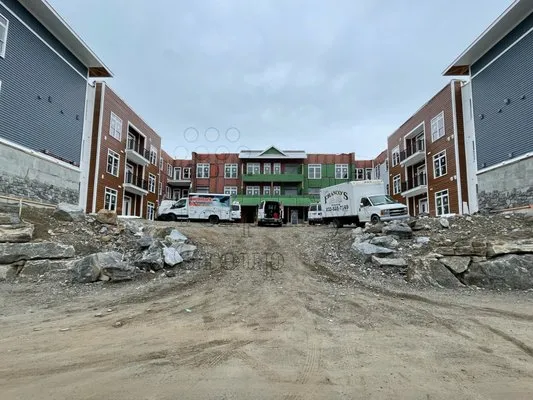
Tenpenny Group is a full-service landscaping company based in Seymour, CT, dedicated to building and maintaining beautiful, functional outdoor spaces for local homeowners. We specialize in a comprehen...
For over 25 years, Ornamentals LLC has been dedicated to transforming and caring for properties in Stafford, CT, with a focus on plant health and enduring beauty. Founded on the principle that plants ...
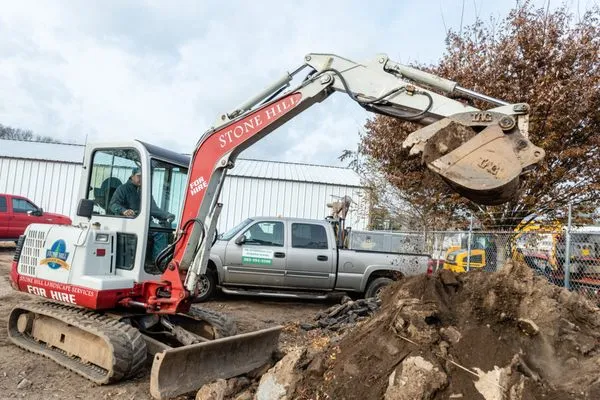
Stone Hill Landscape
For over 15 years, Stone Hill Landscape has been a trusted name in Woodbridge, CT, dedicated to transforming outdoor spaces with personalized care. We combine a deep understanding of Connecticut's cli...
NXT Generation Construction is a family and veteran-owned home renovation company based in East Windsor, CT, established in 2022. We specialize in comprehensive home improvement solutions, including l...
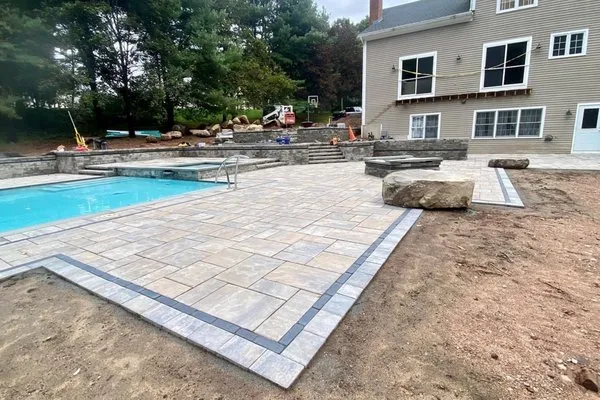
Dennis Masonry brings three decades of expertise to Watertown, CT, specializing in comprehensive masonry and landscaping solutions. With a focus on both residential and commercial projects, they handl...
Estimated Landscaping Service Costs in Salmon Brook, CT
Common Questions
Should I replace high-maintenance turf with native plants?
Transitioning to Common Milkweed, New England Aster, and Little Bluestem reduces maintenance frequency ahead of evolving noise ordinances. Native plant communities require no weekly mowing and minimal irrigation once established, cutting water use by 70-80%. These species support local pollinator populations while creating self-sustaining ecosystems that thrive in USDA Zone 6a conditions. The shift aligns with municipal transitions to low-decibel electric equipment for landscape maintenance operations.
How do I control invasive species without violating fertilizer regulations?
Japanese knotweed and garlic mustard present the highest invasion risks in Salmon Brook's disturbed soils. Manual removal during early growth stages prevents seed dispersal without chemical intervention. For persistent infestations, targeted glyphosate applications in fall avoid spring phosphorous ban periods while minimizing non-target impacts. Always conduct soil testing through UConn Extension before any fertilizer application to document deficiency requirements under Connecticut's phosphorous restrictions.
Are bluestone pavers better than wood for fire-resistant landscaping?
Bluestone pavers provide superior fire resistance compared to wood decking, achieving non-combustible ratings critical for WUI Zone 2 compliance. The material maintains structural integrity under extreme heat while creating defensible space around structures. Unlike wood, bluestone requires no chemical treatments that could compromise soil health in acidic conditions. Its natural thermal mass helps regulate microclimate temperatures while providing permanent, low-maintenance surfaces that withstand freeze-thaw cycles in Zone 6a.
What permits and licenses are needed for grading work on my property?
Grading projects on 0.95-acre lots require erosion control permits from Granby Planning and Zoning Department before earthmoving begins. Contractors must hold Connecticut Department of Consumer Protection landscaping licenses with specific endorsements for excavation and drainage work. These regulations ensure proper sediment management and compliance with state stormwater regulations. Unlicensed grading can result in significant fines and mandatory restoration orders, particularly in areas with high water tables and sensitive soils.
How quickly can you respond to emergency storm damage for HOA compliance?
Emergency cleanup crews dispatch from Salmon Brook Park via CT-10 within 20-30 minutes during peak conditions. The route avoids residential congestion while providing access to specialized equipment for fallen limb removal and debris management. This response window meets most HOA compliance deadlines for post-storm property restoration while adhering to restricted noise hours from 8:00 AM to 8:00 PM.
Why does my lawn in Salmon Brook District have drainage issues and poor grass growth?
Properties in Salmon Brook District built around 1973 have 53-year-old soil profiles. Acidic sandy loam with pH 5.8-6.2 naturally develops compaction layers over decades, reducing percolation rates below 1 inch per hour. Core aeration every 2-3 years with organic amendments like composted leaf mold addresses this by improving soil structure and microbial activity. This treatment increases water infiltration while maintaining the soil's natural acidity preferred by native understory plants.
What solutions work for seasonal saturation on my 0.95-acre property?
High water tables in acidic sandy loam require graded swales and French drain systems to manage seasonal saturation. Bluestone pavers installed with permeable jointing materials achieve 40-50% infiltration rates, meeting Granby Planning and Zoning Department runoff standards. These systems redirect surface water while maintaining soil structure integrity during peak saturation periods from March through May. Proper grading creates positive drainage away from foundations without compromising the property's natural hydrology.
Can I maintain Kentucky Bluegrass and Fine Fescue during Stage 1 water restrictions?
Smart Wi-Fi ET-based weather sensing irrigation systems preserve turf health within voluntary conservation limits. These controllers adjust watering schedules daily based on evapotranspiration rates, reducing typical usage by 30-40% compared to traditional timers. The system prioritizes deep, infrequent watering during early morning hours when evaporation losses are minimal. This approach maintains soil moisture at optimal levels for cool-season grasses while staying well below municipal water allocation thresholds.
