Top Landscaping Services in Riverside, CT, 06870 | Compare & Call
There are 177 landscaping companies server in Riverside CT
Betts Landscaping is a trusted, locally-owned landscaping company serving Stamford, CT. We specialize in diagnosing and solving the specific lawn and irrigation challenges common to our area, such as ...
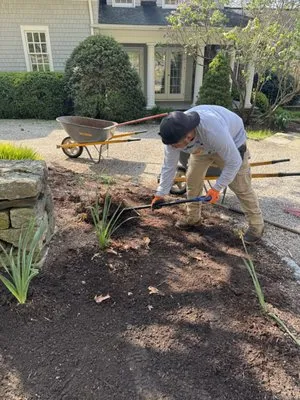
Oliva Landscaping & Masonry was born from a decade of determination and craftsmanship. As a Hispanic-owned business in Stamford, founder Miguel Oliva built his company brick by brick, driven by the vi...
Darien Landscape Service is a trusted, locally-owned landscaping company dedicated to enhancing the beauty and health of Darien, CT properties. We understand the unique challenges homeowners face, suc...

CDM Landscaping Services is a family-owned and operated business serving Stamford, CT, and the surrounding 60-mile area for over 18 years. Founded on the principle of providing reliable, professional ...
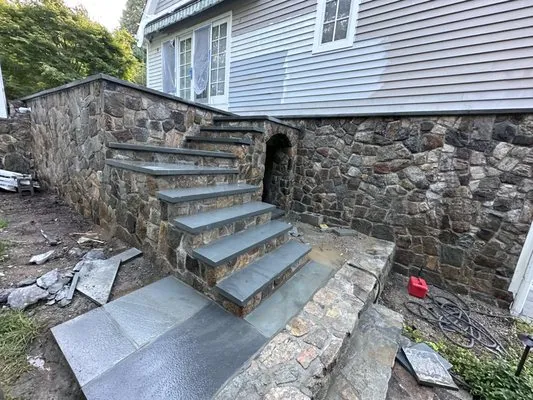
Elite Landscape has been serving Norwalk and the surrounding communities for over a decade, building a reputation for reliable craftsmanship and clear communication. We believe you deserve high-qualit...
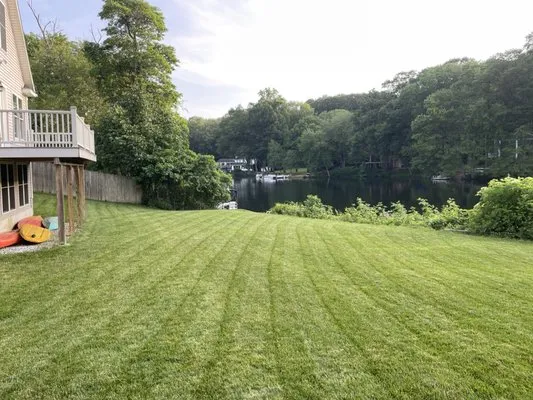
With over two decades of specialized experience in turf management across lower Fairfield County, Lawn Solutions in Cos Cob, CT, has cultivated a deep understanding of local soil and climate condition...
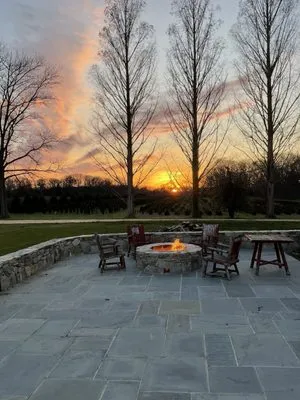
The Growing Concern is a trusted, family-operated lawn care and landscaping provider serving Darien, CT, and the surrounding Lower Fairfield County communities since 1994. We specialize in creating an...
Landivar Landscaping is a trusted Stamford-based company dedicated to solving the most common local yard issues. We specialize in expert irrigation repair and installation to fix wasteful and costly w...
Fredy B Landscaping in Stamford, CT, is a locally owned and operated landscaping business founded by Fredy, who started the company to build a stable life while helping others enhance their properties...
Rudy's Landscaping And Masonry Service is a trusted Stamford-based contractor specializing in comprehensive outdoor solutions. We combine masonry expertise with landscaping skills to handle everything...
Estimated Landscaping Service Costs in Riverside, CT
Question Answers
What permits and licenses are needed for grading my 0.35-acre lot?
Grading that alters drainage patterns or involves more than 50 cubic yards of earth movement requires a permit from Greenwich Planning and Zoning Department. Connecticut Department of Consumer Protection licensing ensures contractors carry proper insurance and follow erosion control protocols. On Riverside's coastal lots, additional coastal area review may apply to protect against storm surge impacts, with certified professionals needed to design systems that handle the high water table.
How do I maintain my lawn during Stage 1 water restrictions?
Wi-Fi ET-based weather sensing irrigation calculates evapotranspiration rates daily, applying water only when soil moisture deficits occur. This system preserves Kentucky Bluegrass and Fine Fescue blends while reducing usage 20-30% below conventional schedules. Programming aligns with municipal voluntary conservation by skipping cycles after rainfall and adjusting runtime based on temperature, humidity, and wind data specific to Riverside's microclimate.
What solutions prevent coastal storm surge inundation in my yard?
High water tables in Riverside's sandy loam require subsurface French drains or dry wells to intercept groundwater before it surfaces. Permeable bluestone paver installations meet Greenwich Planning and Zoning Department runoff standards by allowing infiltration rather than directing flow to storm sewers. Grading swales away from foundations provides additional capacity during heavy rain events, with overflow channels designed to handle temporary inundation.
How quickly can you respond to storm damage for HOA compliance?
Emergency cleanup crews dispatch from the Riverside Yacht Club area, accessing I-95 for direct routing to most properties. During peak conditions, arrival occurs within 20-30 minutes with electric equipment that meets seasonal noise restrictions on gas-powered blowers. This response window accounts for debris clearance, branch removal, and temporary stabilization to address immediate safety hazards and covenant violations.
Why does my Riverside lawn have drainage issues and poor soil quality?
Riverside properties built around 1964 have 62-year-old soil profiles where decades of compaction from foot traffic and equipment have reduced permeability. The acidic sandy loam common in this neighborhood naturally favors native species but requires annual core aeration to maintain oxygen levels for turfgrass roots. Adding composted organic matter each spring improves water retention while balancing the pH toward neutral, which supports both your Kentucky Bluegrass blend and deeper-rooted perennials.
Should I replace some lawn with native plants?
Transitioning turf areas to Eastern Redbud, Sweet Pepperbush, and Butterfly Weed reduces mowing frequency and eliminates gas-powered blower use ahead of tightening noise ordinances. These natives thrive in acidic sandy loam without irrigation once established, supporting pollinators while creating layered habitats. Little Bluestem and Virginia Creeper provide erosion control and seasonal interest, forming a resilient landscape that requires minimal inputs.
Are bluestone pavers better than wood for patio durability?
Bluestone offers superior longevity with minimal maintenance compared to wood decking that requires annual sealing and eventual replacement. Its non-combustible nature supports Low Fire Wise ratings by creating defensible space without combustible materials near structures. Properly installed with polymeric sand joints, bluestone withstands freeze-thaw cycles and coastal humidity while providing stable, permeable surfaces that complement Riverside's architectural styles.
How do I control invasive species without violating fertilizer rules?
Japanese knotweed and garlic mustard pose significant risks in Riverside, spreading through root fragments and seed dispersal. Manual removal before seed set combined with targeted organic herbicides avoids phosphorus application prohibited by local ordinance. Soil testing confirms actual deficiencies before any nutrient amendment, with treatment timing scheduled outside blackout dates to protect watershed health while eliminating competitive invaders.
