Top Landscaping Services in Putnam, CT, 06260 | Compare & Call

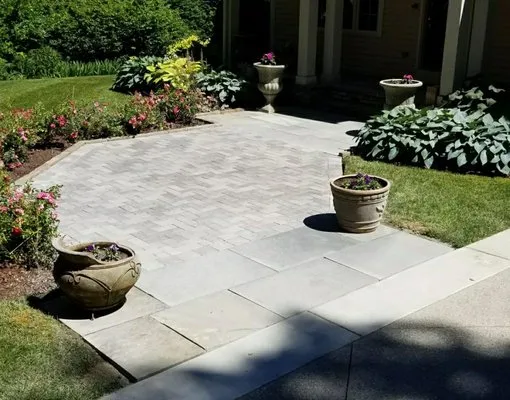
With over 25 years of hands-on experience in landscaping and hardscaping, I founded this business to bring comprehensive outdoor solutions to Putnam, CT, and surrounding areas. My background spans fro...

CREM Lawn Care
C.R.E.M. Lawn Care is a trusted, family-owned landscaping company proudly serving Putnam, CT, and the surrounding Northeast Corner for over 30 years. Founded by John Wolchesky, we specialize in compre...
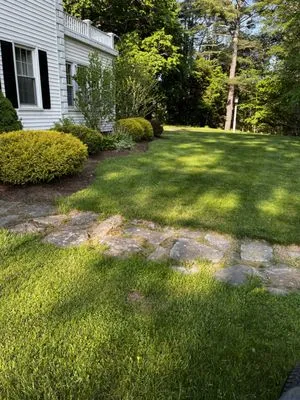
Lucas Lawn Care is a Putnam, CT-based lawn service company dedicated to helping local homeowners achieve healthy, beautiful yards. We understand the specific challenges faced in our area, such as pers...
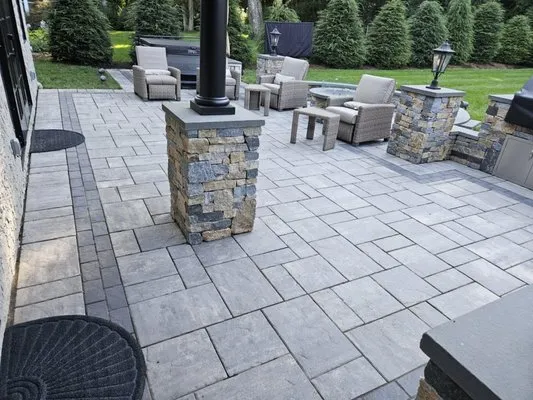
B & V Landscaping helps Putnam homeowners create and maintain beautiful, functional outdoor spaces. We specialize in comprehensive services from design to ongoing care, with a focus on solving common ...
Smith's Landscaping is a trusted local landscaping company serving Putnam, CT and the surrounding areas. We specialize in addressing common local landscaping challenges, particularly weed overgrowth a...
John Riley Lawn Service is a dedicated, local lawn care provider serving Putnam, CT, and the surrounding Windham County area. We specialize in reliable, professional lawn maintenance to help local hom...
Hillstead is a trusted tree services and landscaping company serving Putnam, CT, and the surrounding areas. With expertise in a wide range of services—from earthmoving and driveway construction to tre...
Q&A
Why does my soil seem so poor and compacted, especially compared to newer neighborhoods?
Homes in Putnam Heights, built around 1954, have soils that have matured for over 70 years. The dominant acidic sandy loam, while well-draining, becomes severely compacted from decades of foot traffic and conventional mowing. This reduces soil percolation and depletes organic matter. Core aeration in spring and fall, followed by top-dressing with compost, is essential to rebuild soil structure and support healthy turf and root systems.
Are concrete pavers or pressure-treated wood better for a long-lasting patio?
For longevity and low maintenance, concrete pavers and native fieldstone are superior. They are inert, do not rot or warp, and their permeability aids drainage. In the context of Connecticut's Moderate Firewise rating, these non-combustible materials are recommended for creating defensible space within 30 feet of a structure, a key safety consideration that wood cannot fulfill.
What are my options for a lower-maintenance, eco-friendly yard?
Transitioning turf areas to a xeriscape with native plants like Eastern Redbud, Joe-Pye Weed, Sweet Pepperbush, and Little Bluestem significantly reduces water, mowing, and chemical inputs. These plants are adapted to local pH and climate, supporting biodiversity. This shift also future-proofs your property against evolving noise ordinances that restrict gas-powered blowers and mowers, favoring quieter electric maintenance.
Do I need a permit to regrade my yard or install a large patio?
Yes. Significant grading or impervious surface installation on a 0.35-acre lot typically requires review by the Putnam Planning and Development Department for drainage impact. Furthermore, any contractor performing this work must hold appropriate licensing from the Connecticut Department of Consumer Protection. This ensures compliance with building codes, environmental regulations, and protects you from liability, making verification of licensing a critical first step.
Can I keep my lawn green during Putnam's voluntary water conservation stage?
Yes. Smart Wi-Fi ET-based irrigation systems are calibrated for Connecticut's Zone 6a climate. They adjust watering schedules in real-time using local weather data, applying water only when evapotranspiration rates demand it. This technology maintains Kentucky Bluegrass and Fine Fescue blends while reducing water use by 20-40%, ensuring compliance with Stage 1 conservation measures without sacrificing turf health.
What invasive species should I watch for, and how do I control them safely?
Japanese knotweed and garlic mustard are prevalent threats in Putnam. Manual removal before seed set is most effective. For persistent issues, targeted, non-residual herbicide applications by a licensed professional are used, strictly timed outside of sensitive seasonal windows. All treatments comply with Connecticut's Phosphorus-Free Fertilizer Law, ensuring no phosphorus is applied except for legitimate new lawn establishment, protecting local waterways.
How quickly can a crew respond for an emergency cleanup after a storm?
For urgent HOA compliance or storm debris removal, our standard dispatch originates near Rotary Park. Using I-395 for primary access to Putnam Heights, we maintain a peak response window of 25-30 minutes. Our fleet includes electric-powered chippers and blowers compliant with the local noise ordinance, allowing for immediate, quiet work upon arrival to secure your property.
My yard has persistent puddling and frost heave in spring. What's the cause and solution?
This is a classic symptom of the area's high water table interacting with seasonal freeze-thaw cycles in sandy loam soil. Surface water cannot percolate quickly enough. Installing French drains or dry wells addresses subsurface water, while using permeable concrete pavers or native fieldstone for patios and walkways increases surface permeability. These solutions often meet the Putnam Planning Department's updated standards for managing stormwater runoff on-site.
