Top Landscaping Services in Prospect, CT, 06712 | Compare & Call


Anthony Dorso III, owner of Custom Grounds LLC in Prospect, has been dedicated to lawn care for over 20 years. Since founding the company in 2003, he has refined a specialized focus on environmentally...

D & E Landscape is a trusted, locally-owned landscaping, snow removal, and handyman service based in Prospect, CT. We specialize in addressing common local landscaping challenges, including sprinkler ...
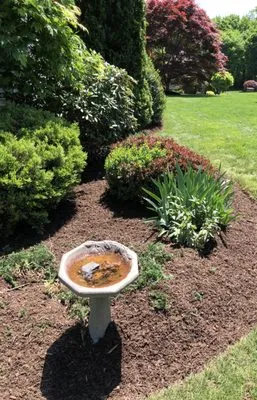
LJ's Landscaping is a family-owned business in Prospect, CT, built on a foundation of genuine care and dedication. Inspired by a commitment to helping our neighbors, we focus on making homes beautiful...

Weed Wizards is a trusted lawn care and pest control service based in Prospect, CT, dedicated to keeping local landscapes healthy and beautiful. We specialize in comprehensive lawn care solutions that...
Landscape Source is a full-service landscaping company serving Prospect, CT, and the surrounding area. We specialize in diagnosing and resolving common local landscaping challenges, particularly irrig...

Bethany Mountain Lawn Care
Bethany Mountain Lawn Care is a locally owned and operated lawn care service provider based in Prospect, CT, serving residential and commercial properties throughout New Haven County and surrounding a...
Chris's Landscaping is a trusted local landscaping business serving homeowners in Prospect, CT. We specialize in addressing common local landscaping challenges like dying garden plants and patchy gras...

Since 1989, New Horizons Grounds Maintenance LLC has been providing dependable landscaping and lawn care to Prospect, CT, and surrounding communities. With over two decades of experience, we are a ful...

F & G Tree Care Solutions is your trusted local expert for tree and lawn care in Prospect, CT. We provide comprehensive services, including professional tree removal, pruning, stump grinding, and thou...
Question Answers
I see invasive vines and weeds taking over my shrub beds. How can I remove them safely?
Common invasive alerts for this area include Japanese Knotweed and Oriental Bittersweet. Manual removal for young plants is effective; for established patches, a targeted, systemic herbicide applied by a licensed professional is often necessary. All treatments must comply with Connecticut's statewide Phosphorus Ban and avoid application near waterways. Timing is critical—early fall applications are most effective and align with safe seasonal windows.
We're rebuilding our patio. Is bluestone a better choice than composite wood for longevity and safety?
For longevity and low maintenance in Prospect's climate, bluestone is superior. It is non-combustible, making it ideal for creating the defensible space required in Moderate (WUI Zone 2) fire risk areas. Unlike wood or composites, it won't rot, warp, or require chemical sealing. Its natural density and permeability, when installed correctly, provide a stable, permanent surface that integrates well with the local aesthetic and environmental conditions.
Why does my soil feel so compacted and why does water pool in the same spots every year?
Properties built around 1979, common in Prospect Center, have a soil history of about 47 years. Initial construction compacts the native acidic sandy loam, destroying its natural structure. Over decades, this leads to poor percolation, exacerbated by a high seasonal water table. Annual core aeration and incorporating composted organic matter are critical to rebuild soil porosity and mitigate the chronic drainage issues you observe.
My HOA issued a violation notice for overgrowth after a storm. How quickly can you get here for an emergency cleanup?
For HOA compliance and storm-related emergencies, our standard dispatch originates from the Prospect Town Green. Using CT-69, we can typically reach most Prospect Center properties within the 20-30 minute window, even during peak response times. Our electric maintenance fleet operates quietly within the 7:00 AM to 8:00 PM noise ordinance, allowing for immediate, compliant service to resolve the violation.
My patio area becomes a soggy mess each spring and I worry about frost heave damaging my walkway. What's the solution?
The combination of acidic sandy loam and a high water table creates significant frost heave and surface pooling risks. The remedy is a subsurface French drain system tied to a dry well, which intercepts and redirects groundwater. For new surfaces, using permeable bluestone pavers set on a gravel base increases infiltration, often meeting the Prospect Land Use Office's stormwater runoff standards by managing water on-site.
We want to regrade our backyard for better drainage. What permits and contractor qualifications should we look for?
Regrading a 0.75-acre lot significantly alters water flow and requires oversight. You must file an Earth Removal permit with the Prospect Land Use Office to ensure compliance with local runoff and erosion codes. Crucially, the contractor must hold a Home Improvement Contractor license from the Connecticut Department of Consumer Protection. For extensive regrading or if importing/exporting large soil volumes, a Professional Engineer's (PE) stamp may be required to certify the drainage plan.
With Stage 1 water restrictions, how do I keep my lawn green without wasting water?
Wi-Fi ET-based weather-sensing irrigation is the precise tool for voluntary conservation. It automatically adjusts runtime by calculating real-time evapotranspiration (ET) rates, applying only the water your Kentucky Bluegrass and Fine Fescue mix actually needs. This system prevents overwatering, which is especially critical in sandy loam where water leaches quickly, ensuring turf health while adhering to municipal water limits and preserving the aquifer.
I'm tired of weekly mowing and gas blower noise. Is there a lower-maintenance, eco-friendly alternative?
Absolutely. Transitioning sections of high-input turf to a native plant community is a forward-looking solution. Species like Eastern Redbud, Switchgrass, Joe Pye Weed, and New England Aster are adapted to Zone 6b and your acidic soil, requiring no fertilization, minimal water, and no weekly mowing. This xeriscape approach reduces noise, cuts carbon emissions, and creates a biodiverse habitat that exceeds 2026 landscape resilience standards.
