Top Landscaping Services in Poquonock Bridge, CT, 06340 | Compare & Call

There are 97 landscaping companies server in Poquonock Bridge CT
Chenail is a licensed landscaping and irrigation company based in West Hartford, CT, specializing in comprehensive outdoor care for residential and commercial properties. With expertise spanning lands...
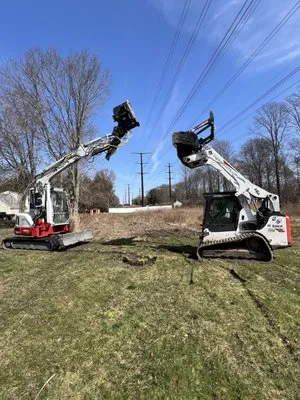
VegOut Forestry is a dedicated landscaping and forestry service based in Orange, CT, focused on transforming challenging outdoor spaces into clean, usable areas. We specialize in forestry mulching, a ...
The Nature Professionals in Manchester, CT is a family-owned business with deep roots in forestry and outdoor craftsmanship. Founded by someone born into a logging family from Newport, Vermont, the co...
Family Tree Landscaping & Sealcoating
Family Tree Landscaping & Sealcoating is your full-service partner for enhancing and protecting your New London, CT, property. From major earthmoving projects to routine lawn care, our skilled team ha...
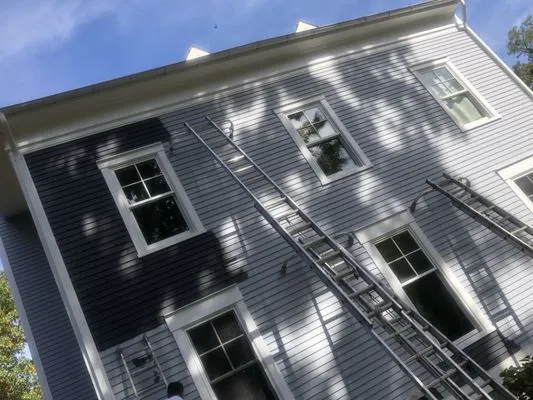
JDP Services is a Hamden-based contractor specializing in landscaping, painting, and drywall installation and repair. Serving the local community, we help homeowners maintain and enhance their propert...

Lawn Doctor in East Haven, CT is a locally owned and operated lawn care and pest control service dedicated to helping residents maintain healthy, beautiful outdoor spaces. Founded by Connecticut nativ...
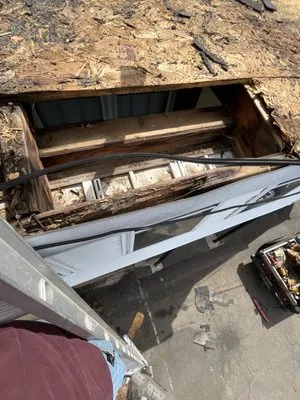
Shelby Services is a woman-owned construction and landscaping company serving Oxford, CT, with over 30 years of experience. We specialize in both commercial and residential projects, offering comprehe...
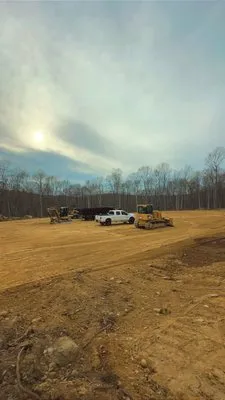
Townline Property Service has been a trusted partner in Ashford and surrounding areas for over a decade, providing comprehensive ground-up solutions for residential and commercial properties. We speci...
My Three Rose Facility Management
My Three Rose Facility Management in Windham, CT, is a full-service property care company built on a foundation of over a decade of hands-on experience. Owner Justin brings his extensive knowledge of ...
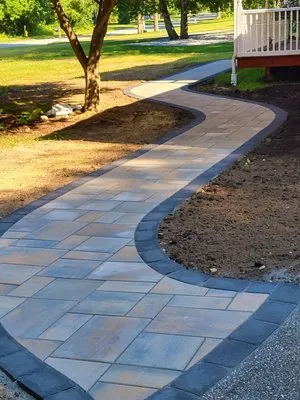
Perfect Curb, LLC is a Colchester-based landscaping and hardscaping firm owned and operated by Dane, a licensed civil engineer. This unique background brings over 25 years of combined engineering and ...
Estimated Landscaping Service Costs in Poquonock Bridge, CT
Questions and Answers
Is there a lower-maintenance alternative to my traditional lawn?
Transitioning sections of high-input turf to a native plant community is a forward-looking strategy. Species like Eastern Redbud, Switchgrass, and New England Aster are adapted to Zone 7a's acidic soils and require no fertilizer, less water, and infrequent trimming. This shift reduces reliance on gas-powered equipment, pre-empting potential future noise ordinance tightening and supporting local biodiversity.
My yard stays wet for days after rain. What's the solution?
A high water table combined with aged, compacted sandy loam creates persistent seasonal saturation. Improving subsurface drainage often requires regrading and installing French drains to direct water away from foundations. Using permeable materials like bluestone pavers for patios or walkways also reduces surface runoff, helping projects meet the Town of Groton Planning & Development Services' stormwater management standards.
Can you handle an urgent storm cleanup to meet an HOA deadline?
Emergency response for storm debris or compliance work is coordinated from our Groton staging area. A crew would route from the Groton-New London Airport via I-95, typically arriving within the 20-30 minute peak response window for Poquonock Bridge. We maintain an electric-capable fleet for quieter operation, aligning with local decibel standards during urgent neighborhood work.
What permits and licenses are needed to regrade my yard?
Significant regrading on a 0.35-acre lot typically requires a permit from the Town of Groton Planning & Development Services to ensure proper stormwater management and adherence to zoning setbacks. The contractor performing this work must hold appropriate licensing through the Connecticut Department of Consumer Protection, which guarantees they are bonded and insured for earth-moving and drainage alteration projects.
Why does my soil seem compacted and struggle to drain?
Homes built around 1959 in the Poquonock Bridge Residential Core often have soil that has been in place for over 65 years. The native acidic sandy loam naturally compacts over decades of standard lawn care. This aging process reduces pore space, hindering percolation and root penetration. Annual core aeration and incorporating compost are critical to rebuild soil structure and manage the seasonal saturated conditions common here.
How can I keep my lawn healthy while conserving water?
Smart Wi-Fi ET-based irrigation systems are essential for Poquonock Bridge's normal but encouraged conservation status. These controllers use real-time weather data to apply water only when evapotranspiration rates demand it, preventing overwatering. For a Kentucky Bluegrass or Fine Fescue mix, this technology delivers precise hydration during peak stress, maintaining turf health while staying well within municipal water use expectations.
What should I do about invasive weeds like Japanese Knotweed?
Vigilance for invasive species is key in suburban corridors near I-95. Mechanical removal and targeted, professional-grade herbicide applications are the primary controls. These treatments must be carefully timed to avoid the statewide phosphorus ban application windows and should never be applied to saturated soils to prevent groundwater contamination. Persistent follow-up is required for full eradication.
Are bluestone patios a good long-term investment here?
Bluestone is a superior choice for longevity in Connecticut's climate compared to wood, which decays. Its density provides excellent durability against freeze-thaw cycles. For this low Fire Wise rating area, bluestone also creates a non-combustible, defensible space perimeter when installed with clean, gravel-based borders, enhancing both property value and safety compliance.
