Top Landscaping Services in Plainville, CT, 06053 | Compare & Call
There are 231 landscaping companies server in Plainville CT
Green & Beyond Landscapes
Green & Beyond Landscapes is a trusted Plainville, CT-based company specializing in comprehensive outdoor solutions including snow removal, landscaping, and lighting services. We help Plainville homeo...
Costello Landscaping is a locally owned and operated landscaping company serving Bristol, CT, and the surrounding central Connecticut communities. With over three decades of experience, we provide a c...

Earthen Designs is a family-owned and operated landscaping and pest control business in Terryville, CT, founded on a commitment to organic, sustainable practices. As licensed and insured horticultural...
Nicole's Landscaping is a trusted, locally-owned landscaping and snow removal company serving Plainville, CT, and the surrounding communities. We specialize in creating and maintaining beautiful, resi...
J&N Construction is a full-service, locally-owned contractor serving Meriden, CT, and the surrounding area. We specialize in general construction, expert painting, and comprehensive landscaping, offer...

CT Classic Lawn Care is a family-owned and operated lawn service business in Meriden, CT, founded by a young, driven individual committed to building a friendly, community-based company. Starting just...
Carlone's Landscaping is a trusted Berlin, CT-based company dedicated to enhancing and maintaining local landscapes. We specialize in solving the common yard drainage issues and tree root damage that ...
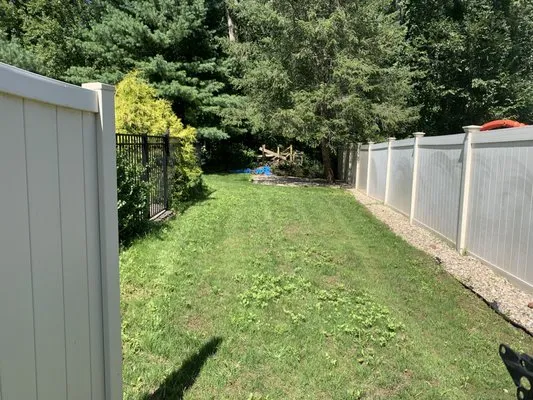
Johnstone Services LLC is a family-owned and operated landscaping business proudly serving Plantsville, CT, and the greater Southington area. Founded in 2020, we bring years of hands-on experience and...
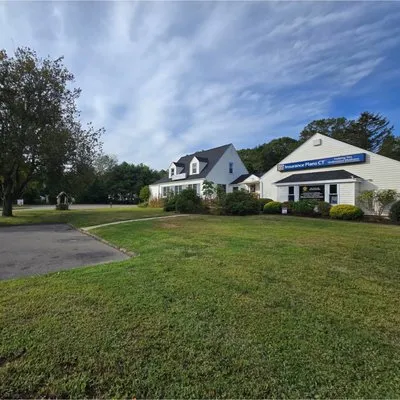
High Vibe Gardens is a family-owned and operated landscaping company proudly serving Hebron and surrounding Connecticut towns. We specialize in creating and maintaining beautiful, healthy outdoor spac...
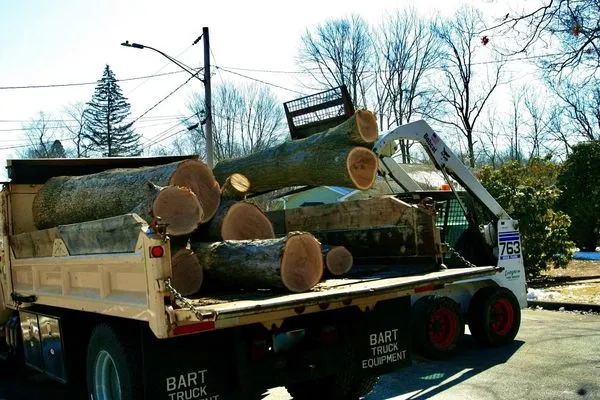
Evergreen Tree Service is a trusted, full-service provider of professional tree and shrub care serving Windsor Locks, Connecticut, and surrounding communities. With over 50 years of experience, we del...
Estimated Landscaping Service Costs in Plainville, CT
Common Questions
Why does my Highland Park lawn struggle with compaction and poor drainage?
Plainville's Highland Park neighborhood was developed around 1962, giving soils approximately 64 years of maturation. Acidic sandy loam (pH 5.5-6.5) in this area tends to compact over decades, reducing permeability. Core aeration with organic amendments like composted leaf mold addresses this by improving soil structure and microbial activity. Regular soil testing every 2-3 years helps maintain optimal pH for Kentucky Bluegrass and Fine Fescue mixes.
What permits and licenses are needed for grading my 0.25-acre lot?
Grading work on a 0.25-acre property in Plainville requires permits from the Planning & Economic Development Department, particularly when altering drainage patterns or removing significant vegetation. Contractors must hold appropriate licensing through the Connecticut Department of Consumer Protection, which verifies insurance and competency standards. Projects affecting more than 100 square feet of impervious surface typically trigger additional review for stormwater management compliance. Proper documentation ensures work meets current building codes and protects property value.
Are concrete pavers better than wood for patio longevity?
Concrete pavers and bluestone offer superior durability with 25-30 year lifespans versus wood's 10-15 years in Plainville's climate. These materials maintain structural integrity through freeze-thaw cycles common in USDA Zone 6b. For fire-wise considerations, non-combustible hardscapes create defensible space meeting NFPA 1144 standards for moderate-risk areas. Proper installation with permeable bases reduces heat island effect while managing runoff.
What invasive species should I watch for in Plainville?
Japanese knotweed and garlic mustard pose significant threats in Connecticut's Zone 6b, often spreading through soil disturbance. Manual removal before seed set is most effective, avoiding chemical treatments that might violate the statewide phosphorus ban. Treatment timing should avoid blackout periods for fertilizer applications, typically late fall through early spring. Regular monitoring of property edges near natural areas helps catch invasions early when control is most manageable.
How can I reduce maintenance while supporting local ecology?
Replacing high-maintenance turf with native plantings like Eastern Redbud, Black-eyed Susan, New England Aster, and Switchgrass reduces mowing frequency by 70-80%. These species are adapted to USDA Zone 6b conditions and require minimal irrigation once established. Transitioning to electric maintenance equipment aligns with upcoming gas-blower restrictions under Plainville's noise ordinance. Native plantings typically support 3-4 times more pollinator species than traditional lawns.
What solutions work for seasonal spring saturation in my yard?
High water table conditions in Plainville's acidic sandy loam require graded swales and French drains to redirect surface water. Permeable concrete pavers or bluestone installations increase infiltration rates by 40-60% compared to solid surfaces. These systems must meet Plainville Planning & Economic Development Department runoff standards, which typically require 80-90% of stormwater to be managed on-site. Proper drainage prevents root rot in turf and protects foundation integrity.
How quickly can you respond to an emergency tree cleanup after a storm?
Emergency storm response from Norton Park via I-84 typically requires 20-30 minutes during peak conditions. Our electric fleet operates within Plainville's 7:00 AM to 9:00 PM noise ordinance window, allowing immediate deployment. We prioritize safety assessments before debris removal, coordinating with local utilities when necessary. This rapid response helps prevent secondary damage to structures and landscapes.
Can I maintain a healthy lawn while following Plainville's water restrictions?
Smart Wi-Fi ET-based weather sensing irrigation systems optimize water use by adjusting schedules based on evapotranspiration rates and local conditions. These systems maintain Kentucky Bluegrass and Fine Fescue mixes while staying within municipal water limits during normal periods. During seasonal drought monitoring, they automatically reduce output by 20-30%. This technology typically reduces water consumption by 15-25% compared to traditional timer-based systems.
