Top Landscaping Services in Orange, CT, 06477 | Compare & Call
There are 182 landscaping companies server in Orange CT
Small World Landscaping is a dedicated lawn care provider serving New Haven, CT, and the surrounding communities. We specialize in creating and maintaining healthy, vibrant lawns that enhance your pro...

I'll Get It Done LLC is a West Haven-based landscaping company dedicated to enhancing the beauty and functionality of local outdoor spaces. We specialize in comprehensive services from irrigation desi...
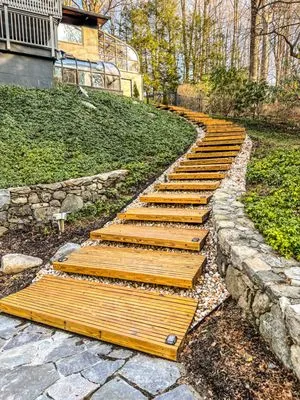
Outdoor Revivals is a family-owned masonry and landscaping contractor serving Ansonia, CT, with over 20 years of experience transforming outdoor spaces. Specializing in patios, walkways, retaining wal...
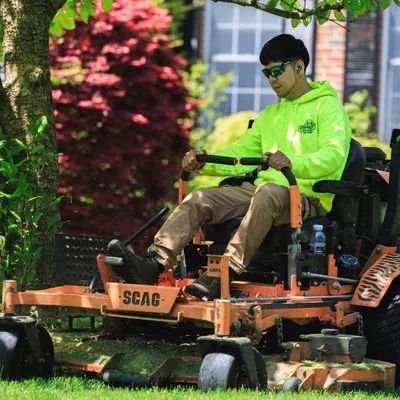
Thomas Capasso founded Capasso Landscaping in 2010 on a foundation of hard work, honesty, and craftsmanship. Starting as a small family operation, the company has grown into a trusted, full-service la...
Briones Lawn Care LLC in New Haven, CT, brings over a decade of professional landscaping experience to every job. After working for another company for about 10 years, we learned what truly matters to...
Lawn Love Lawn Care provides comprehensive year-round lawn and landscape services for homeowners and businesses in New Haven, CT. As a full-service provider, we handle everything from routine lawn mow...
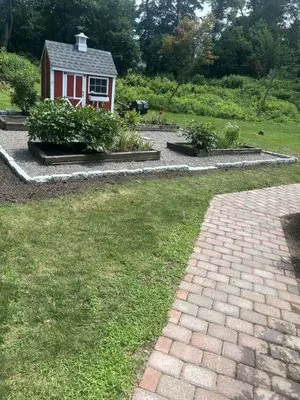
RML Landscaping is a Branford-based landscaping company serving residential and commercial clients throughout the area. With expertise in landscape design, maintenance, lawn care, and shrub care, we p...
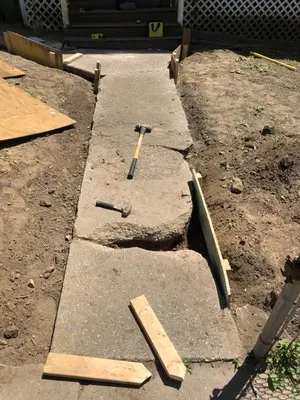
Daniel F. Fitzgerald IV, the owner of Home Help Network, is a proud father and West Haven resident dedicated to supporting his family through trusted home improvement work. With deep roots along the C...
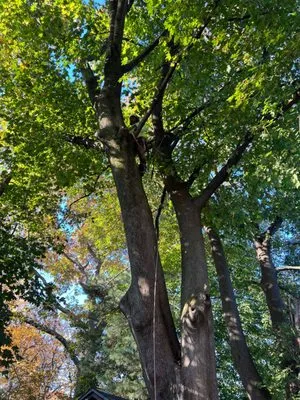
Professional Master Landscaping
Professional Master Landscaping LLC has been serving West Haven, CT and surrounding communities since 2009. With over 14 years of experience, we provide comprehensive landscaping, tree care, and snow ...
PRO-CUT Lawn Service is your dedicated local partner for comprehensive property care in Branford, CT. We understand that managing your landscape is just one part of your busy life, whether at home or ...
Estimated Landscaping Service Costs in Orange, CT
Questions and Answers
Why does my Orange Center lawn struggle with compaction and poor drainage despite regular care?
Orange Center properties built around 1962 have acidic sandy loam soils that have matured for 64 years. This soil type naturally compacts over decades, reducing permeability and creating seasonal saturation issues. Core aeration every 2-3 years introduces oxygen channels while adding composted organic matter adjusts pH toward neutral. These amendments improve soil structure without disrupting the established microbial communities that support plant health.
How do smart irrigation systems maintain healthy turf during Orange's dry periods without violating water restrictions?
Wi-Fi ET-based weather sensing irrigation calculates evapotranspiration rates specific to Orange's USDA Zone 6b microclimate. These systems automatically adjust Kentucky Bluegrass and Tall Fescue watering schedules based on real-time weather data, typically reducing water use by 20-30% compared to traditional timers. During Stage 0 restrictions, this technology ensures optimal soil moisture while staying well below municipal water allocation limits through precision application during early morning hours.
How quickly can you respond to emergency storm damage for HOA compliance in Orange?
Emergency cleanup crews dispatch from Fred Wolfe Park via Route 1 (Boston Post Road) within 20-30 minutes during peak conditions. This routing avoids residential congestion while maintaining compliance with Orange's 9:00 PM to 7:00 AM noise ordinance for electric equipment operation. The response prioritizes safety hazards like downed limbs before addressing aesthetic concerns, with documentation provided for HOA verification of timely remediation.
How do concrete pavers and bluestone compare to wood for durability in Orange's climate?
Concrete pavers and bluestone offer 25+ year lifespans in USDA Zone 6b, resisting freeze-thaw cycles that degrade wood within 8-12 years. These materials maintain structural integrity without chemical treatments, supporting Orange's low Firewise rating through non-combustible defensible space around structures. Proper installation with polymeric sand joints prevents weed intrusion while allowing thermal expansion, creating stable surfaces that require minimal maintenance compared to wood's seasonal deterioration.
What permits and licensing are required for significant grading work on my 0.75-acre Orange property?
The Orange Planning & Zoning Department requires grading permits for any earth movement exceeding 50 cubic yards on 0.75-acre lots, with erosion control plans mandated for slopes over 15%. Contractors must hold Connecticut Department of Consumer Protection landscaping licenses with specific endorsements for excavation work, ensuring proper drainage calculations and soil stabilization. These regulations prevent downstream sedimentation while maintaining property boundaries through surveyed elevation benchmarks that account for seasonal saturation patterns.
What solutions address seasonal saturation problems common to Orange's high water table areas?
Acidic sandy loam soils in Orange experience reduced percolation during wet seasons, requiring French drains or dry wells to manage subsurface water. Permeable concrete pavers and bluestone installations create 30-40% more surface infiltration than traditional asphalt, meeting Orange Planning & Zoning Department runoff standards. These systems work with the natural grade to direct water away from foundations while maintaining soil structure through controlled drainage pathways.
How can I reduce maintenance while preparing for upcoming electric equipment mandates?
Replacing high-maintenance turf with Eastern Redbud, Highbush Blueberry, and Little Bluestem creates a self-sustaining landscape that requires minimal intervention. These native plants thrive in Orange's acidic soils without supplemental watering once established, eliminating weekly mowing and reducing gas-powered equipment use ahead of noise ordinance enforcement. The transition supports 2026 biodiversity standards while creating habitat for pollinators through strategic planting of Purple Coneflower and Swamp Milkweed.
What invasive species threaten Orange landscapes and how are they managed safely?
Japanese knotweed and garlic mustard present the highest invasive risks in Orange, spreading rapidly through acidic sandy loam soils. Manual removal during early growth stages prevents seed dispersal while targeted herbicide applications follow Connecticut's phosphorus ban guidelines for established infestations. Treatment timing avoids spring fertilizer blackout periods, with mycorrhizae inoculants applied afterward to restore soil biology without violating environmental regulations.
