Top Landscaping Services in Northwest Harwinton, CT, 06791 | Compare & Call
There are 156 landscaping companies server in Northwest Harwinton CT
Pellegrino and Son Lawn Care is a trusted, family-owned business serving Torrington, CT, with reliable snow removal and comprehensive landscaping services. We understand the unique challenges homeowne...
Manfredi's Lawn Service is a trusted, locally-owned provider in Torrington, CT, specializing in year-round outdoor care. We understand the common challenges Torrington homeowners face, such as landsca...
Furious Construction & Landscape is a full-service contracting company serving New Hartford, CT, and the surrounding area. We specialize in both expert plumbing and comprehensive landscaping solutions...
Urban Landscape is a trusted landscaping company serving Harwinton, CT, dedicated to enhancing outdoor spaces with professional care. We specialize in addressing common local issues like persistent we...
Still River Gardens
Still River Gardens is a Litchfield-based landscape design firm dedicated to enhancing the natural beauty of Northwest Connecticut properties. The team combines horticultural expertise with a deep und...
Rudy's Affordable Landscaping is a trusted local landscaping company serving Torrington, CT, and the surrounding areas. We specialize in addressing common landscaping challenges faced by homeowners in...

Ozzys Property Services LLC is a family-owned landscape business in Falls Village, built on over 20 years of passion and expertise. The journey began in my teens, working with my uncle, and led to ear...
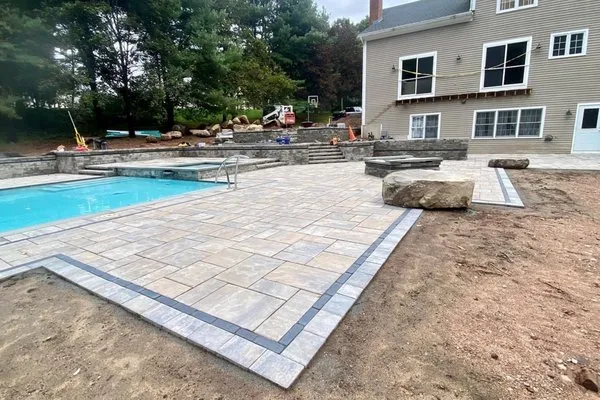
Dennis Masonry brings three decades of expertise to Watertown, CT, specializing in comprehensive masonry and landscaping solutions. With a focus on both residential and commercial projects, they handl...
Town & Country Landscape Designs And Lawn Care is a trusted local landscaping company serving Watertown, CT. We specialize in comprehensive landscape design, installation, and ongoing lawn care to enh...
Northwest Lawn & Landscaping M is a trusted, locally-owned landscaping company serving Harwinton, CT. We specialize in comprehensive lawn care and property maintenance solutions tailored to our commun...
Estimated Landscaping Service Costs in Northwest Harwinton, CT
Frequently Asked Questions
Will smart irrigation controllers keep my Kentucky Bluegrass healthy during dry spells?
Wi-Fi soil moisture sensors maintain turf health while conserving municipal water resources. These controllers use evapotranspiration data to deliver precise irrigation only when soil moisture drops below optimal levels for fine fescue blends. During Stage 0 water restrictions, this technology prevents overwatering that would otherwise leach nutrients from acidic sandy loam. Properly calibrated systems reduce water use 30-50% while preserving turf density.
What solutions exist for persistent puddling near my foundation?
Slow permeability in clay-heavy subsoil requires engineered drainage solutions. French drains with clean stone aggregate redirect water away from structures, while permeable bluestone patios increase surface infiltration rates. The Harwinton Land Use Office requires drainage plans that manage runoff from 1.5-acre lots without overwhelming municipal systems. Grading adjustments combined with native fieldstone dry creek beds create both functional and aesthetic water management features.
What permits and licenses are needed for significant grading work on my property?
Grading projects affecting drainage patterns on 1.5-acre lots require Harwinton Land Use Office approval with engineered plans. Connecticut Department of Consumer Protection licensing ensures contractors understand soil mechanics and erosion control measures specific to acidic sandy loam. Unlicensed grading can destabilize slopes, damage neighboring properties, and violate state sediment control regulations. Professional oversight prevents costly remediation while ensuring compliance with all local ordinances.
Which patio material lasts longest in our climate with minimal maintenance?
Bluestone and native fieldstone outperform wood in durability and fire resistance. These materials withstand freeze-thaw cycles without warping or rotting, maintaining structural integrity for decades. In Moderate Fire Wise rated areas, stone hardscapes create defensible space by eliminating combustible materials within 30 feet of structures. Properly installed with polymeric sand joints, stone surfaces resist weed penetration while allowing necessary water permeability for soil health.
Why does my Northwest Harwinton lawn have patchy areas despite regular watering?
Harwinton Center properties built around 1964 have 62-year-old soil systems. Acidic sandy loam with pH 5.5-6.2 loses organic matter over decades, creating hydrophobic conditions where water runs off rather than infiltrating. The clay-heavy subsoil common in this neighborhood further restricts root penetration. Core aeration with compost amendments addresses both pH imbalance and compaction, restoring soil structure for better nutrient availability.
How should I handle invasive plants without using restricted fertilizers?
Japanese knotweed and garlic mustard present the highest invasion risks in Northwest Harwinton. Mechanical removal during early growth stages prevents seed set without chemical intervention. Connecticut's phosphorus restriction for established lawns doesn't apply to invasive management, but targeted herbicide applications require precise timing outside of spring nutrient blackout periods. Soil testing determines whether mycorrhizae inoculants can help natives outcompete invaders through improved nutrient cycling.
How quickly can you respond to storm damage that violates HOA appearance standards?
Emergency cleanup crews dispatch from the Harwinton Fairgrounds area via CT-8, reaching most Northwest Harwinton properties within 20-30 minutes during peak response windows. This routing avoids residential bottlenecks while maintaining compliance with the 8 PM to 7 AM noise ordinance. Crews prioritize safety assessments before debris removal, particularly for properties in the Wildland-Urban Interface where fallen limbs may create fire hazards.
Are there lower-maintenance alternatives to traditional lawn grass?
Transitioning to native plant communities reduces maintenance while supporting local ecology. Eastern redbud, switchgrass, New England aster, and Joe Pye weed thrive in acidic sandy loam without supplemental irrigation. These deep-rooted perennials stabilize soil, require no chemical inputs, and provide year-round visual interest. As municipalities consider gas-powered equipment restrictions, native landscapes eliminate weekly mowing while creating habitat corridors for pollinators.
