Top Landscaping Services in North Stonington, CT, 06359 | Compare & Call
There are 135 landscaping companies server in North Stonington CT
A to Z Landscaping is your trusted, full-service landscaping partner in Pawcatuck, CT. We understand the unique challenges local homeowners face, from garden plants struggling in our specific soil con...
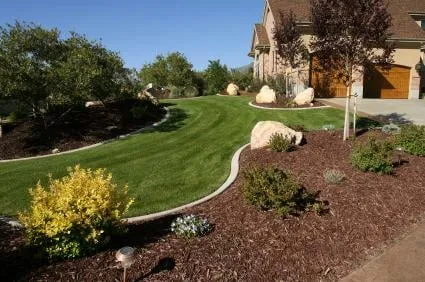
N-E Service is your trusted partner for complete property maintenance along the Connecticut and Rhode Island shoreline. Based in Pawcatuck, we specialize in delivering tailored residential and commerc...
Advanced Lawn Care is a Stonington-based landscaping company dedicated to solving the common yard drainage and sprinkler system issues faced by local homeowners. We specialize in diagnosing and correc...
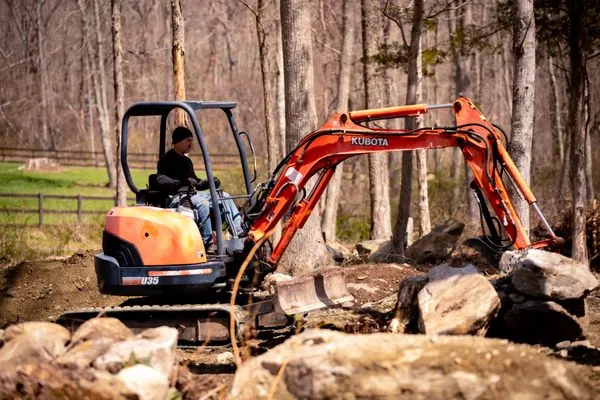
For over thirty-five years, Tiger Landworks has been a trusted name for Stonington homeowners and building professionals seeking reliable land management solutions. Founded by an owner with a civil en...
Sea Scape Lawn Care is a dedicated local lawn care provider serving Stonington, CT. We specialize in creating and maintaining healthy, vibrant lawns that can thrive in our specific coastal conditions....
Estimated Landscaping Service Costs in North Stonington, CT
Q&A
Our soil seems thin and drains poorly. Could the age of the home be a factor?
Homes built around 1979 in North Stonington Village typically involved significant topsoil removal and compaction during construction. This created a 47-year-old immature soil profile. The native acidic sandy loam has likely not been adequately amended, leading to low organic matter, poor permeability, and compaction. Core aeration and incorporating 2-3 inches of composted leaf mold are essential to rebuild soil structure and support healthy turf and planting beds.
How do we keep our lawn green during summer without violating water conservation rules?
Voluntary conservation in North Stonington is best managed with smart, Wi-Fi soil moisture sensor controllers. These systems use local evapotranspiration (ET) data to irrigate only when the Kentucky Bluegrass and Fine Fescue root zone needs water, preventing overwatering. This technology can reduce potable water use by 20-30%, keeping turf healthy within municipal guidelines. Proper scheduling targets early morning cycles to minimize evaporation loss.
What permits and licenses are needed to regrade and landscape our 2-acre property?
Regrading that alters drainage patterns or involves significant cut/fill requires a permit from North Stonington Planning, Development & Zoning. For a lot of this size, contracting with a licensed professional is crucial. The Connecticut Department of Consumer Protection requires a Home Improvement Contractor license for this work. A licensed Landscape Architect may also be needed for engineered solutions, ensuring the project meets all sediment control, wetland, and zoning regulations.
We have an invasive vine taking over a hedge. How can we remove it safely?
Invasive species like Oriental Bittersweet or Porcelainberry are prevalent alerts. Manual removal of roots is first-line, followed by careful, targeted cut-stump herbicide application in late summer. This avoids statewide phosphorus restriction blackout dates for turf, which typically run from December 1st to March 15th. Always use a Connecticut Department of Consumer Protection licensed applicator to ensure treatments are safe, effective, and compliant with all environmental regulations.
Our yard is soggy for months. What's a long-term fix for this wet soil?
Seasonal saturation is common with the area's high water table and acidic sandy loam, which can have a restrictive layer. Solutions include installing a French drain system tied to a dry well or daylight outlet. For hardscape areas, using permeable set native granite or bluestone pavers increases infiltration. These designs often require a grading permit from North Stonington Planning, Development & Zoning to ensure runoff is managed according to current stormwater standards.
Is there a lower-maintenance, eco-friendly alternative to our traditional lawn?
Transitioning high-input turf to a climate-adaptive xeriscape with native plants significantly reduces water, mowing, and chemical needs. A matrix of Little Bluestem grass with drifts of New England Aster, Sweet Pepperbush, and an understory of Eastern Redbud creates a resilient, biodiverse landscape. This approach preemptively addresses potential future gas-blower restrictions under noise ordinances and provides superior habitat, aligning with 2026 biodiversity and resilience goals.
Should we use bluestone or wood for a new patio and fire pit area?
Bluestone and native granite offer superior longevity and lower lifecycle maintenance than wood, which decays and requires chemical treatments. In North Stonington's Moderate (WUI Zone 2) Fire Wise rating area, non-combustible hardscape materials are recommended within the critical 0-5 foot defensible space zone around the home. Stone patios and pathways also provide a firebreak, enhance property value, and integrate naturally with the local geology.
How quickly can you respond for an urgent storm cleanup to meet HOA compliance?
Emergency storm response from our dispatch near the North Stonington Fairgrounds allows for a 45-60 minute arrival during peak hours. The primary route utilizes I-95, with contingency plans for local road closures. Our fleet includes electric-powered chippers and blowers that comply with general noise ordinances, enabling immediate work upon arrival to clear driveways, remove hazardous limbs, and restore property access for compliance.
