Top Landscaping Services in North Branford, CT, 06471 | Compare & Call
There are 217 landscaping companies server in North Branford CT
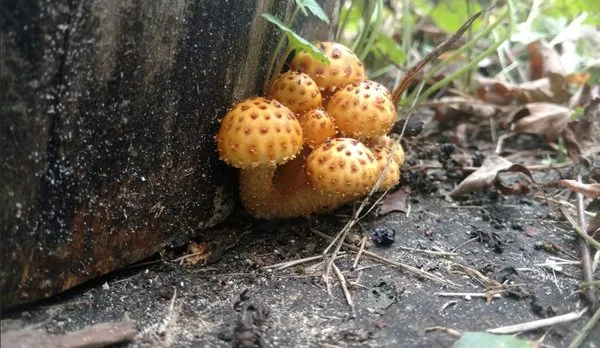
Nutmeg Tree Service & Ground Care
Founded by Ken and Chris, Nutmeg Tree Service & Ground Care is a locally owned and operated business serving Middletown and Middlesex County. As Connecticut-licensed arborists with over 20 years of ex...
Jake's Landscaping is a trusted, locally-owned business serving North Haven, CT, specializing in comprehensive lawn care and reliable snow removal services. We understand the common local challenges h...
Nick's Lawn Service
Nick's Lawn Service is a trusted North Haven, CT landscaping company specializing in landscape design, masonry/concrete work, and professional landscape architecture. We help local homeowners and busi...
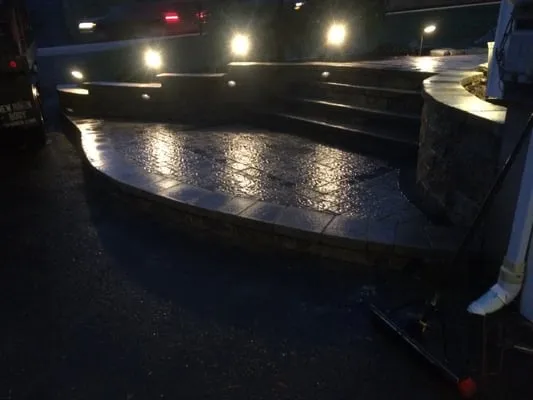
Hanging Hills Lawn Care LLC
Hanging Hills Lawn Care LLC is a Wallingford-based landscaping company with deep roots in the community, serving homeowners since 2001. Founded on the principle of treating customers with the same car...
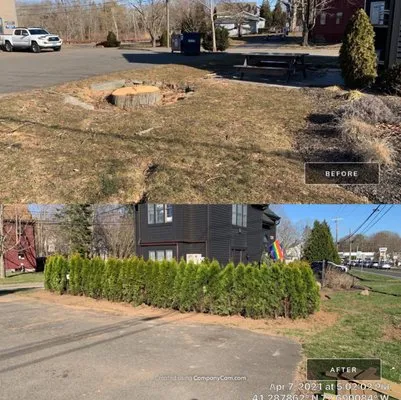
Hardscapes Landscaping
Hardscapes Landscaping LLC, established in 2009, brings over two decades of construction and design expertise to every property in Wallingford. Founded by Rob, who holds a degree in civil & architectu...

Barton's Landscaping has been a family-operated business serving Haddam, CT, and surrounding areas since 1989. We specialize in comprehensive landscaping, masonry, and excavation services, offering ev...
Connors Clean Up Services is a Wallingford-based team specializing in comprehensive cleaning and hauling solutions. We believe no job is too big or too small for our dedicated crew. Our core services ...
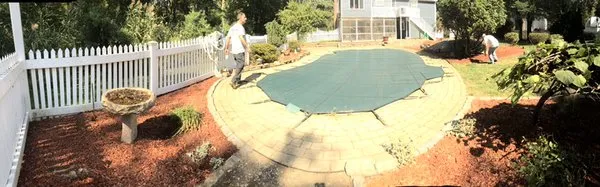
Lawn Monkey Landscaping is a locally owned and operated landscape and tree care company proudly serving Madison, CT, and the surrounding New Haven and Middlesex County areas. Founded in 2015 by owner ...
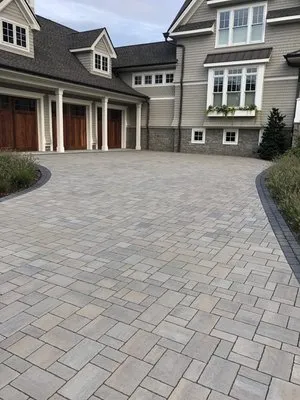
Brad Hull Landscaping Services began as a one-man, one-mower operation in 2001 and has grown into a trusted, full-service design, installation, and maintenance firm serving Old Saybrook and the Connec...
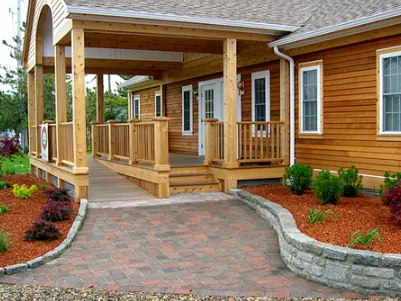
Shoreline Landscapes
For over six decades, Shoreline Landscapes has been a trusted part of the Clinton, Connecticut community. Founded in 1961, this family-owned and operated business has built its reputation on reliable,...
Estimated Landscaping Service Costs in North Branford, CT
Common Questions
Our yard stays soggy long after rain, especially near the house. What's causing this and how do we fix it?
Seasonal high water tables and poor infiltration are common in North Branford's acidic sandy loam soils. The solution involves installing subsurface French drains to intercept groundwater and regrading to direct surface flow away from foundations. Using permeable bluestone pavers for patios or walkways can also reduce runoff and help meet Planning and Zoning Department standards for stormwater management on your property.
We have a sudden tree down after a storm and need emergency cleanup for safety. How quickly can a crew arrive?
For emergency response in North Branford, a dispatched crew would route from Totoket Valley Park via Foxon Road (Route 80) to your location. Accounting for debris and traffic during a peak event, our target arrival window is 35 to 50 minutes. We prioritize securing the site and clearing access lanes first, with full debris removal and chipping following initial safety measures.
We've spotted what looks like Japanese Knotweed along our property line. How should we handle it without harming the lawn?
Japanese Knotweed is a high-priority invasive in Connecticut that requires immediate, professional treatment. Eradication involves targeted, non-broadcast herbicide applications to the plant itself, which avoids violating the local ordinance prohibiting phosphorus-containing fertilizers on established lawns. Treatment timing is critical and often requires multiple seasons; leaving it untreated can lead to significant structural damage and further spread.
Our lawn seems thin and compacted, even with regular care. Is this just the age of the neighborhood?
North Branford Center homes, built around 1972, have soils with over 50 years of development history. The prevalent acidic sandy loam becomes compacted over decades, reducing permeability and root growth. This mature soil profile requires core aeration to alleviate compaction and incorporation of organic compost to rebuild structure and water retention. Without these amendments, turfgrass health will continue to decline despite surface-level maintenance.
We're considering a new patio. How does bluestone compare to composite wood for durability and fire safety?
Bluestone pavers offer superior longevity and require no sealing or chemical treatments, unlike wood or composites which degrade over time. For fire safety in North Branford's Moderate (WUI Zone 2) rated areas, non-combustible bluestone is ideal for creating defensible space. It provides a stable, fire-resistant zone around the home without the maintenance or replacement cycle associated with wooden decking materials.
We want to regrade part of our .75-acre yard to improve drainage. Do we need a permit, and what should we look for in a contractor?
Any significant regrading on a .75-acre lot in North Branford likely requires a review by the Planning and Zoning Department to ensure compliance with drainage and erosion control standards. The contractor must hold a valid Home Improvement Contractor license from the Connecticut Department of Consumer Protection. This licensing is mandatory for earth-moving and grading work, protecting you from liability and ensuring the work meets state code.
We're tired of weekly mowing and gas equipment noise. Are there lower-maintenance, quieter landscape options?
Transitioning high-input turf areas to zones of native plants like Little Bluestem, New England Aster, and Joe Pye Weed significantly reduces maintenance. These adapted species require no mowing, minimal watering, and support local biodiversity. This shift also future-proofs your property against tightening municipal noise ordinances restricting gas-powered blowers and mowers, aligning with a move toward electric maintenance fleets.
With voluntary water conservation in effect, how can we keep our Kentucky Bluegrass lawn healthy without overusing water?
Under Stage 1 voluntary conservation, smart Wi-Fi ET-based irrigation is essential. This system uses local weather data to apply only the water lost to evapotranspiration, preventing overwatering. Programming deep, infrequent watering cycles for your fine fescue blend encourages deeper root growth and drought tolerance. This method maintains turf health while strictly adhering to municipal water use guidelines.
