Top Landscaping Services in Niantic, CT, 06357 | Compare & Call

There are 115 landscaping companies server in Niantic CT
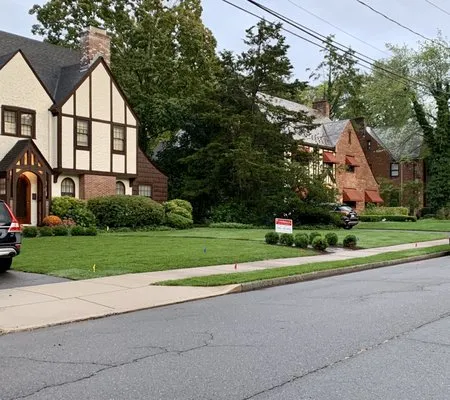
Chenail is a licensed landscaping and irrigation company based in West Hartford, CT, specializing in comprehensive outdoor care for residential and commercial properties. With expertise spanning lands...

Stumpy McGrinder's in Simsbury, CT, is a locally owned landscaping and tree service business that grew from personal necessity into a trusted community resource. During the COVID-19 pandemic, when man...
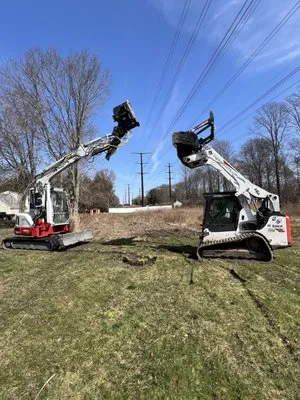
VegOut Forestry is a dedicated landscaping and forestry service based in Orange, CT, focused on transforming challenging outdoor spaces into clean, usable areas. We specialize in forestry mulching, a ...
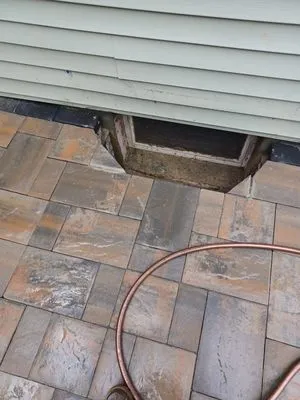
Lakeview Landscape & Tree Removal
Lakeview Landscape & Tree Removal is a New Haven-based company providing comprehensive outdoor solutions for residential and commercial properties. With expertise spanning from tree care and removal t...
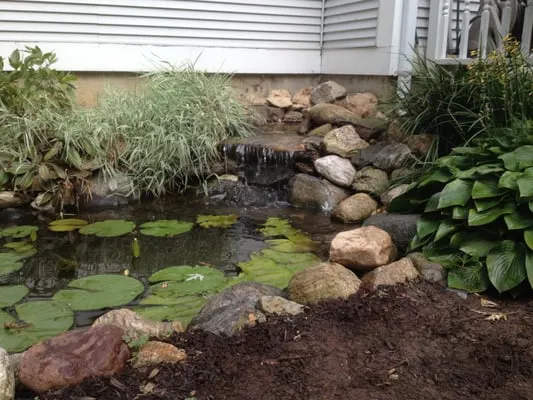
Founded in 1984 by Steve Walowski, a graduate of Delaware Valley College with a degree in Landscaping & Groundskeeping, Hillside Landscaping Co. brings decades of dedicated experience to Berlin, CT, a...

The Nature Professionals in Manchester, CT is a family-owned business with deep roots in forestry and outdoor craftsmanship. Founded by someone born into a logging family from Newport, Vermont, the co...

Family Tree Landscaping & Sealcoating
Family Tree Landscaping & Sealcoating is your full-service partner for enhancing and protecting your New London, CT, property. From major earthmoving projects to routine lawn care, our skilled team ha...
JDP Services is a Hamden-based contractor specializing in landscaping, painting, and drywall installation and repair. Serving the local community, we help homeowners maintain and enhance their propert...

Lawn Doctor in East Haven, CT is a locally owned and operated lawn care and pest control service dedicated to helping residents maintain healthy, beautiful outdoor spaces. Founded by Connecticut nativ...
Shelby Services is a woman-owned construction and landscaping company serving Oxford, CT, with over 30 years of experience. We specialize in both commercial and residential projects, offering comprehe...
Estimated Landscaping Service Costs in Niantic, CT
Q&A
Our house was built around the same time as many others here in Niantic Village. Why does our lawn seem to struggle more than newer neighborhoods?
Homes built in 1954 have soils with a history of over 70 years of compaction and nutrient leaching. The prevalent acidic sandy loam in this area naturally tends toward low fertility and poor structure. Over decades, foot traffic and traditional maintenance have depleted organic matter, reducing soil percolation and water retention. Core aeration and incorporating compost are not just improvements; they are necessary interventions to rebuild a viable rhizosphere for healthy turf or native plantings.
A major storm came through McCook Point Park, and my property is a mess. How quickly can a licensed crew respond for emergency debris cleanup?
For a declared emergency or HOA compliance issue, a crew dispatched from the McCook Point area can typically reach Niantic Village via I-95 within a 20 to 30-minute window during peak response times. The priority is clearing safety hazards like downed limbs blocking driveways or damaging structures. Post-storm, coordination with local utilities for downed wire locations is part of the standard dispatch protocol to ensure crew safety and efficient routing.
My yard has areas that pool water for days after a rain, especially near the clay pockets common here. What's a long-term solution?
Poor drainage in Niantic's sandy loam with clay pockets is often a subsurface layering issue. A French drain system, directing water away from foundations, is a primary solution. For surfacing, replacing impermeable materials with permeable concrete pavers or bluestone set on a gravel base significantly increases infiltration. These systems manage stormwater onsite, which aligns with East Lyme Planning & Building Department standards for reducing runoff into the coastal watershed.
With voluntary water conservation in effect, how can I keep my Kentucky Bluegrass lawn alive without violating the guidelines?
Stage 1 voluntary conservation in Niantic is best managed with smart, ET-based irrigation controllers. These systems use local weather data to apply only the precise water lost to evapotranspiration, often reducing usage by 20-30%. Programming deep, infrequent watering cycles for early morning promotes deeper root growth in your Fine Fescue blend, increasing drought tolerance. This technology allows you to maintain turf health while operating well within municipal water system limits.
I've noticed an invasive vine taking over a section of my garden. How do I deal with it safely and legally?
In coastal Zone 6b, common invasive alerts include Oriental Bittersweet and Japanese Knotweed. Correct identification is critical, as treatment timing and method vary. Manual removal for young plants or targeted, systemic herbicide application for mature stands are standard. All treatments must follow the Connecticut Fertilizer Law, which restricts phosphorus and mandates proper application to prevent runoff into Long Island Sound. A licensed professional can ensure effective control without violating ordinance blackout dates.
We want to regrade a sloped portion of our 0.35-acre lot. What permits and qualifications should we look for in a contractor?
Significant grading on a 0.35-acre lot in East Lyme often requires an Earth Moving Permit from the Planning & Building Department to ensure sediment control and compliance with drainage plans. The contractor must hold a valid Home Improvement Contractor license from the Connecticut Department of Consumer Protection. For work affecting stormwater systems or lot drainage patterns, proof of insurance and specific experience in coastal soil management is essential to avoid future liability issues and property damage.
I'm tired of weekly mowing and the noise. What are some lower-maintenance, quiet alternatives to my traditional grass lawn?
Transitioning to a landscape dominated by native plants like Coastal Panic Grass, Sweet Pepperbush, and New England Aster drastically reduces mowing and eliminates gas-powered blower use. This preemptively addresses evolving noise ordinances and creates a higher-biodiversity habitat. A designed matrix of these natives requires no fertilization, is adapted to the local acidic soil pH of 5.5-6.5, and provides year-round visual interest with minimal irrigation once established.
We're adding a patio and are deciding between wood decking and stone. What holds up better long-term in the salt air?
In Niantic's coastal environment, inorganic materials like bluestone or permeable concrete pavers vastly outperform wood for longevity. Salt air accelerates the weathering and decay of even pressure-treated lumber. A properly installed paver patio requires minimal maintenance, doesn't splinter, and provides a non-combustible surface that contributes to defensible space, an important consideration in this Moderate Coastal Wildland-Urban Interface fire risk zone. The initial investment offsets long-term replacement and upkeep costs.
