Top Landscaping Services in New Milford, CT, 06755 | Compare & Call
There are 176 landscaping companies server in New Milford CT

JAMV Landscaping is a trusted, locally-owned service provider in New Milford, CT, specializing in landscaping and snow removal. We understand the unique challenges homeowners face in our area, includi...

Ashwood Property Care is a family-owned business rooted in the New Milford, CT community. Owner Peter Robidoux brings over two decades of dedicated experience, originally starting with a well-known lo...
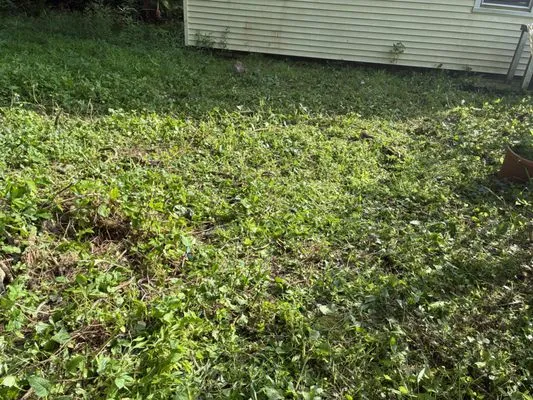
Bentleys Weed Whacking and Poison Ivy Removal is your trusted local expert for lawn care in New Milford, CT. We specialize in tackling tough, overgrown areas and managing invasive plants like poison i...
Big John's Fix-It Shop is your trusted local landscaping expert in New Milford, CT, specializing in practical solutions for common yard problems. We understand that New Milford homeowners often strugg...
Sergeant's Landscaping & Lawn Maint provides professional landscaping solutions for homeowners and businesses in New Milford, CT. We understand the common local frustrations of overgrown shrubs blocki...
ROC Property Maintenance is a trusted local provider in New Milford, CT, offering comprehensive lawn care, snow removal, and tree care services. We understand that New Milford homeowners frequently fa...
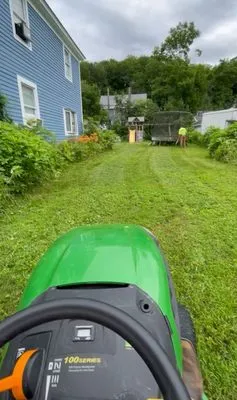
Nac Landscapes is your trusted local partner for maintaining beautiful, healthy outdoor spaces in New Milford, CT. We specialize in comprehensive landscaping, dependable snow removal, and efficient ju...
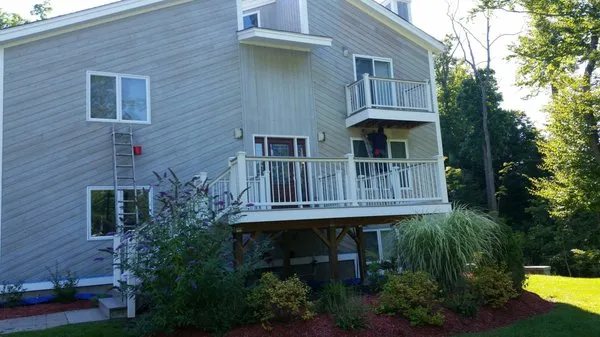
Sergio Landscaping LLC has been a trusted provider of comprehensive landscaping and lawn care services in New Milford, CT, and surrounding communities like Bridgewater and Roxbury for nearly a decade....
North Stone Landscaping is a trusted, locally-owned landscaping company dedicated to serving homeowners throughout New Milford, CT, and the surrounding areas. We specialize in solving the specific, fr...
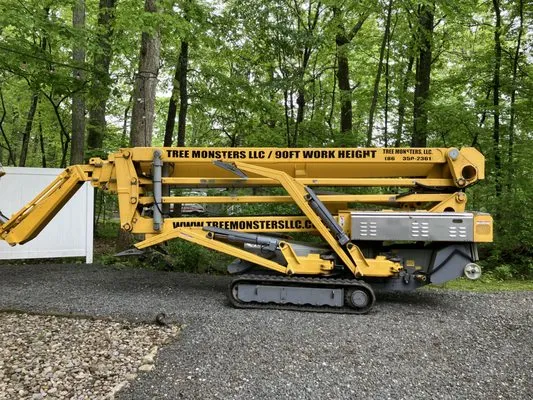
Tree Monsters Land Clearing
Tree Monsters Land Clearing is a licensed and fully insured tree service company serving New Milford, CT, and the surrounding communities. As OSHA 10 certified professionals, we provide reliable tree ...
Estimated Landscaping Service Costs in New Milford, CT
Common Questions
Why does the soil in my yard feel so compacted and poor?
Soil maturity in New Milford's Downtown area, with houses averaging 58 years old, reveals a legacy of construction-grade compaction. The prevalent acidic sandy loam, initially disturbed, has had decades to settle without consistent organic input, creating a dense layer that impedes root growth and water percolation. To restore soil health, core aeration in early fall followed by top-dressing with composted leaf mold is essential; this introduces organic matter and microbes to rebuild soil structure. This process directly addresses the low permeability common in these older lots.
How do I keep my lawn green during water conservation stages?
Under New Milford's Stage 1 voluntary conservation, efficient water use is critical. Smart Wi-Fi soil moisture sensor controllers are the technical solution, providing ET-based irrigation that waters only when the root zone of your Kentucky Bluegrass and Fine Fescue blend requires it. This technology can reduce potable water use by 30-40% compared to traditional timers. Properly calibrated, it maintains turf health while strictly adhering to municipal water budgets.
My yard floods every spring. What's the long-term fix?
Spring saturation and frost-heave in New Milford's acidic sandy loam are common due to its variable permeability. The solution integrates subsurface drainage with surface management. Installing a French drain system tied to a dry well addresses subsurface water, while regrading and using permeable concrete pavers for patios or walkways increases surface infiltration. These methods collectively manage runoff to meet the New Milford Zoning and Planning Department's standards for on-site water handling.
What are the biggest invasive plant threats and how do I handle them?
The primary invasive species alerts for this area are Japanese Knotweed, Burning Bush, and Garlic Mustard. Manual removal or targeted, systemic herbicide application during the plant's active growth phase is required, always following label instructions to protect non-target species. Importantly, these treatments avoid the use of phosphorus-containing products, ensuring compliance with Connecticut's statewide ban on phosphorus fertilizer for established lawns. A management plan should account for the persistent seed bank of these invasives.
Are bluestone patios a good choice compared to wood decks?
Bluestone and permeable concrete pavers offer superior longevity and lower lifecycle maintenance than wood, which requires regular sealing and is susceptible to rot. In New Milford's Low-Moderate Fire Wise rating zone, non-combustible hardscapes like stone contribute to defensible space by creating a fuel break near the home. Their inherent permeability also manages stormwater runoff effectively. When properly installed on a compacted gravel base, these materials provide a stable, permanent surface that withstands freeze-thaw cycles.
What permits and licenses are needed for regrading my property?
Grading that alters drainage patterns or involves significant cut and fill on a 0.35-acre lot typically requires a permit from the New Milford Zoning and Planning Department to ensure compliance with erosion and sediment control regulations. The contractor performing this work must hold appropriate licensing from the Connecticut Department of Consumer Protection, which may include a Home Improvement Contractor license or a specific P-7 Landscaping license for projects exceeding certain financial thresholds. This ensures accountability for proper engineering and adherence to state law.
How quickly can a crew respond to a storm-damage emergency?
For emergency cleanups like downed limbs or HOA compliance issues, our dispatch from the New Milford Town Green via US Route 7 ensures a 20-30 minute arrival during peak hours. We prioritize routing around known congestion points to meet this window. The crew arrives with certified arborist equipment and a grapple truck for immediate debris processing. This logistical planning is calibrated for the moderate storm response timelines typical of the area.
Is there a lower-maintenance alternative to my high-input lawn?
Transitioning sections of turf to a native plant palette is a forward-looking strategy. Species like Eastern Redbud, Purple Coneflower, Little Bluestem, and Swamp Milkweed are adapted to Zone 6a and acidic soils, requiring no fertilization, minimal watering once established, and providing critical habitat. This xeriscaping approach also aligns with the voluntary transition to electric equipment, as these plantings generate less debris, reducing reliance on gas-powered blowers within the 8am-8pm noise ordinance window.
