Top Landscaping Services in New Canaan, CT, 06840 | Compare & Call
There are 159 landscaping companies server in New Canaan CT
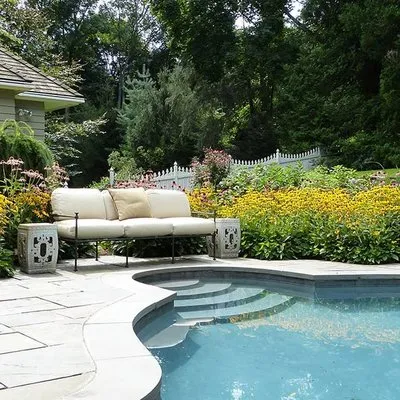
Samperez Landscaping & Masonry is a family-owned business that has been proudly serving Fairfield County for over 30 years. Based in Norwalk, CT, we specialize in comprehensive landscaping and masonry...
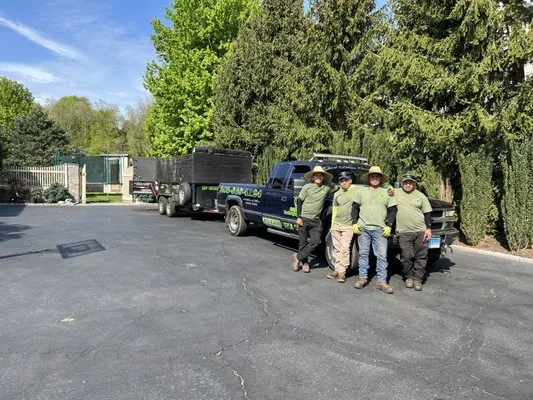
GéNes1s Landscaping & Service has been serving Norwalk, CT, and surrounding communities since 2016, bringing over a decade of landscaping expertise to every project. We specialize in comprehensive lan...
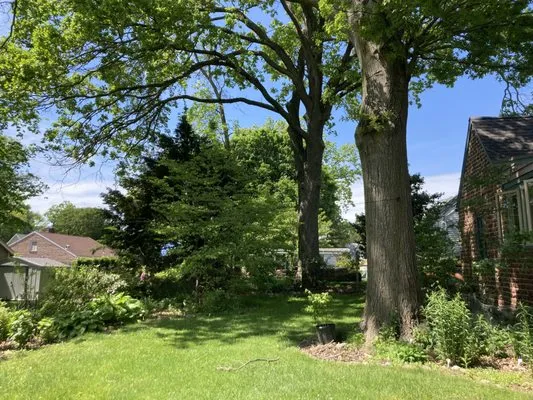
Native Landscapes in Norwalk, CT, specializes in creating and maintaining beautiful, sustainable outdoor spaces using plants native to Connecticut. Our approach begins with a thorough consultation sur...
Diiorio Landscaping has been a trusted fixture in Westport, Connecticut, and across Fairfield County since 1992. With over three decades of hands-on experience, we've built our reputation on a foundat...

HFJ Masonry & Landscaping
HFJ Masonry & Landscaping is a Norwalk-based contractor specializing in masonry, concrete, landscaping, and tree services. We help local homeowners and businesses maintain beautiful, healthy outdoor s...
Garcia's Solution Home Improvement is a trusted, locally-owned contractor serving Norwalk, CT, and surrounding communities like New Canaan, Greenwich, and Ridgefield. We provide reliable home improvem...
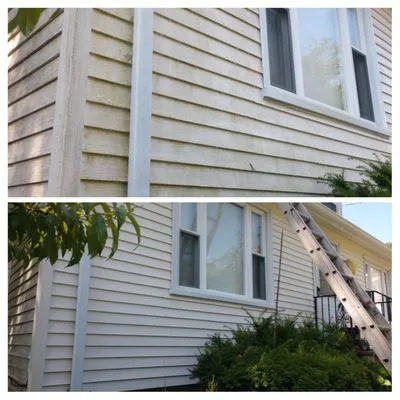
Lenox Powerwashing and Landscaping
Founded in 2018 by Chris Skiadas, Lenox Powerwashing and Landscaping brings a dedicated, hands-on approach to caring for Norwalk properties. Chris started the business with a simple passion: cleaning ...
Chiari Landscape LLC is a family-owned and operated landscaping and masonry company that has been proudly serving Fairfield County, Connecticut, since 2000. As a fully licensed, insured, and locally t...
C & C Landscaping has been a trusted name in Norwalk and throughout Southwest Connecticut since 1988, offering a comprehensive range of professional landscaping, masonry, and paving services. We provi...
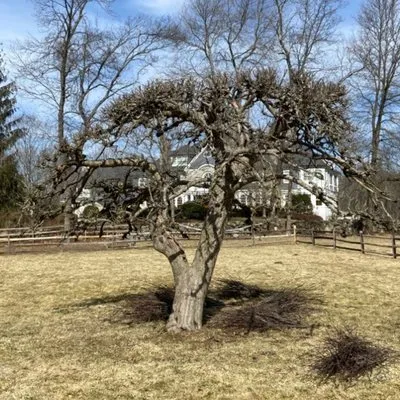
VL Landscape Complete is a Norwalk-based landscaping and snow removal company with over 22 years of local experience. We specialize in comprehensive landscape services including design, construction, ...
Estimated Landscaping Service Costs in New Canaan, CT
Question Answers
Our backyard floods every spring. What drainage solutions work with New Canaan's soil conditions?
Acidic fine sandy loam in Silvermine has poor infiltration rates, exacerbated by seasonal high water tables. Permeable bluestone installations with gravel bases create 30-40% void spaces for water movement. These systems meet New Canaan Planning and Zoning Department runoff standards while addressing surface pooling. French drains with proper grading redirect water away from foundations, complementing the natural permeability of fieldstone hardscapes.
Our Silvermine neighborhood has mature trees but patchy grass. What's happening with our soil after all these years?
New Canaan's Silvermine area has acidic fine sandy loam soil that naturally develops over time. With homes averaging 58 years old since 1968, soil compaction has reduced permeability to approximately 0.5 inches per hour. This acidic pH range of 5.5-6.2 limits nutrient availability for turfgrass. Core aeration with organic compost amendments improves soil structure and increases microbial activity for better root development.
We need emergency storm cleanup before an HOA inspection tomorrow. How quickly can you respond?
Our electric maintenance fleet can dispatch from Waveny Park within 20 minutes during peak conditions. We route via the Merritt Parkway to Silvermine, avoiding traditional traffic bottlenecks. This 20-30 minute response window allows for immediate debris assessment and compliance-grade cleanup using electric equipment that meets New Canaan's seasonal noise restrictions.
Japanese stiltgrass is taking over our property. How do we treat it without violating fertilizer rules?
Japanese stiltgrass requires pre-emergent applications in early March before seed germination. Connecticut's phosphorus ban allows targeted treatment when soil tests confirm deficiencies. We use organic herbicides during permitted windows, followed by overseeding with native Little Bluestem to outcompete invasives. This integrated approach manages invasive species without contravening seasonal application restrictions or fertilizer ordinances.
Should we use bluestone or wood for our new patio, considering fire safety concerns?
Bluestone and fieldstone offer superior longevity with minimal maintenance compared to wood alternatives. These materials provide non-combustible surfaces that support New Canaan's Moderate Fire Wise rating requirements. Stone hardscapes create defensible space zones around structures while withstanding freeze-thaw cycles in USDA Zone 6b. Their thermal mass properties also moderate temperature extremes better than wooden decking materials.
How do we maintain Kentucky Bluegrass during Stage 1 water restrictions without losing our lawn?
Wi-Fi ET-based weather sensing controllers adjust irrigation schedules daily using evapotranspiration data from local weather stations. These systems reduce water usage by 25-40% while preserving turf health. For New Canaan's voluntary conservation stage, we program deep, infrequent watering cycles that encourage deeper root growth in fine fescue blends. This approach maintains soil moisture at optimal levels without exceeding municipal guidelines.
What permits and licenses are needed for grading work on our 2-acre property?
Grading projects exceeding 500 square feet require permits from the New Canaan Planning and Zoning Department. The Connecticut Department of Consumer Protection mandates licensing for landscape contractors performing earthwork on lots this size. Professional licensing ensures proper erosion control measures and compliance with state sedimentation regulations. These requirements address both environmental protection and liability concerns for substantial property modifications.
We're tired of weekly mowing and gas blowers. What lower-maintenance options exist?
Transitioning to native plantings reduces maintenance frequency by 60-80%. Eastern Redbud and Sweet Pepperbush establish deep root systems that require minimal watering after establishment. Purple Coneflower and Little Bluestem meadows eliminate weekly mowing needs while providing habitat connectivity. This approach aligns with evolving noise ordinances that restrict gas-powered equipment, utilizing electric alternatives for necessary upkeep.
