Top Landscaping Services in New Britain, CT, 06050 | Compare & Call
There are 237 landscaping companies server in New Britain CT
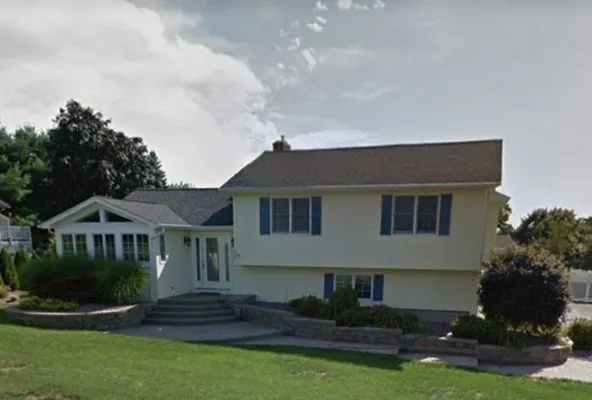
Better Greens Landscaping is a New Britain-based landscaping company specializing in comprehensive outdoor solutions for local homeowners. We focus on landscape construction, installation, design, and...
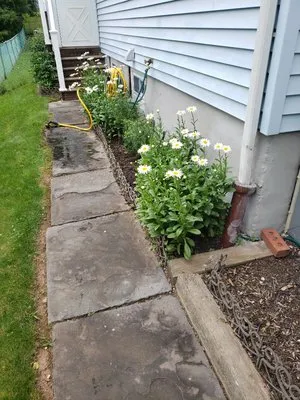
Tramonto Bello Landscaping & Painting is a New Britain-based contractor trusted for enhancing homes inside and out. We specialize in expert interior and exterior painting, staining, and pressure washi...
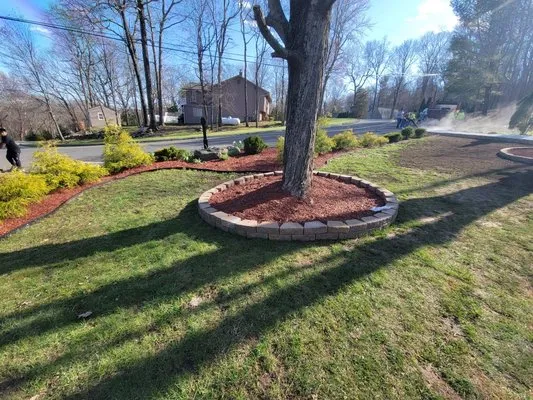
Monterroso's Landscaping is a trusted, locally-owned landscaping company serving New Britain, CT, and the surrounding area. We specialize in diagnosing and solving common local lawn problems, particul...
M&J Landscaping is a trusted, locally-owned landscaping company serving New Britain, CT, and the surrounding communities. We understand the specific challenges homeowners in our area face, such as uns...
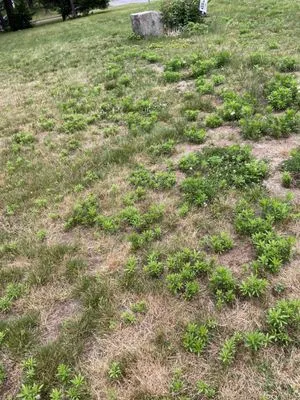
Central Ct Lawn Service is a family-owned landscaping company that has been serving Berlin, CT, and the surrounding communities since 1990. With over three decades of experience, they have built a rep...
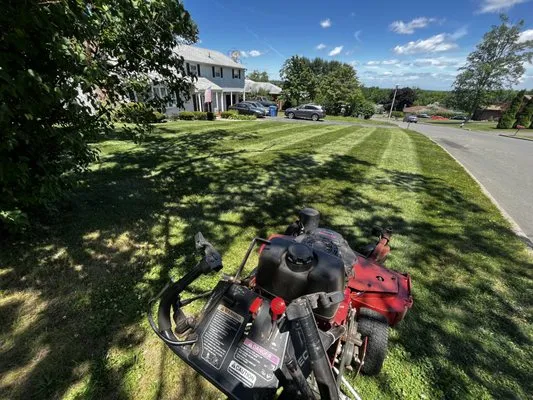
Strictly Landscaping is a locally owned and insured lawn care provider dedicated to serving New Britain, Berlin, Newington, and nearby communities. Founded on principles of trust and integrity, we foc...

Imperial Landscaping & Home Improvement is a trusted, full-service contractor serving New Britain, CT, and the surrounding areas. We specialize in seamlessly blending expert exterior craftsmanship wit...
Ernie's Lawn Service & Landscaping is a trusted local landscaping company serving Newington, CT, with a focus on solving common area issues like overgrown shrubs and poor lawn leveling. We specialize ...
The Landscaper Gerard is a trusted, locally-owned landscaping service in New Britain, CT. We understand the specific challenges homeowners here face, from the aftermath of powerful storms to the persi...
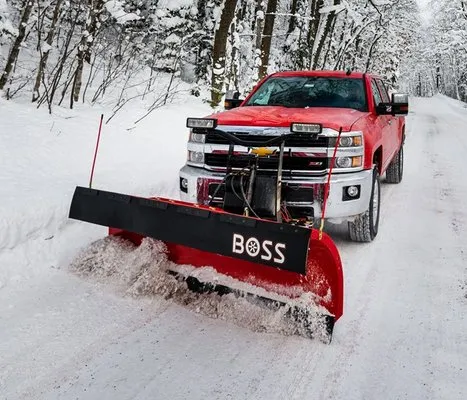
Guardian Solutions LLC is a locally owned and operated business in Plainville, CT, founded by Connecticut firefighters. This background instills a commitment to reliability, safety, and thoroughness i...
Estimated Landscaping Service Costs in New Britain, CT
Question Answers
With Connecticut's water restrictions, how do I keep my lawn alive without wasting water?
Smart, Wi-Fi ET-based irrigation controllers are the standard solution. These systems use local weather data to calculate evapotranspiration (ET) and apply only the precise amount of water your Kentucky Bluegrass and Fine Fescue mix requires. This technology prevents overwatering, directly addresses seasonal drought monitoring alerts, and keeps your landscape within municipal water use limits while maintaining turf viability.
My yard has persistent puddling and a high water table in spring. What's the best fix?
This is a common issue with New Britain's sandy loam soils, which have moderate permeability. A tiered approach is most effective: first, install a French drain or dry well to intercept subsurface water. For new hardscapes, specify permeable jointing for concrete pavers or bluestone to increase surface infiltration. These solutions manage runoff and meet the New Britain Building Department's standards for stormwater management on residential lots.
How fast can you respond to an emergency like a storm-damaged tree blocking my driveway?
For urgent situations, our electric-response fleet is dispatched from our staging area near Walnut Hill Park. Using CT-72, we can typically reach most Walnut Hill addresses within the 20-30 minute window, even during peak traffic. This rapid response is prioritized for safety hazards and is coordinated to comply with local noise ordinance operating hours, ensuring a swift and compliant resolution.
Are concrete pavers or bluestone a better long-term investment than wood for a patio?
Concrete pavers and bluestone offer superior longevity and require far less maintenance than wood, which decays and requires chemical treatment. In New Britain's Low Fire Wise rating zone, these non-combustible materials also contribute to defensible space by not adding fuel load near the home. Their durability and permeability, when installed correctly, provide a permanent, low-risk landscape infrastructure solution.
What should I do about invasive weeds like Japanese Knotweed without using banned fertilizers?
Targeted mechanical removal and approved herbicide spot-treatment are the primary controls for invasive species. It is imperative to avoid any fertilizer containing phosphorus, as per Connecticut state law, unless establishing a new lawn from seed. Treatment timing is critical and should be scheduled outside of any local blackout dates, focusing on the plant's active growth phase for maximum efficacy and minimal environmental impact.
I want to reduce mowing and gas-powered noise. What are my options?
Transitioning high-maintenance turf areas to a xeriscape with native plants is a forward-looking strategy. Species like Little Bluestem, New England Aster, and Joe-Pye Weed are adapted to Zone 6b and require no mowing or weekly watering. This shift reduces dependency on gas-powered equipment, aligning with evolving noise ordinances and electric fleet trends, while significantly enhancing local biodiversity and soil ecology.
Do I need a permit to regrade my backyard for better drainage?
Yes, significant regrading on a 0.15-acre lot typically requires a permit from the New Britain Building Department to ensure proper water flow and adherence to codes. Furthermore, this work must be performed by a contractor licensed by the Connecticut Department of Consumer Protection. This licensing guarantees that the contractor carries the required insurance and possesses the expertise to execute the grading without causing downstream erosion or property damage.
Why does the soil in my Walnut Hill yard feel so compacted and lifeless?
New Britain's Walnut Hill neighborhood, developed in the 1950s, features acidic sandy loam common to post-war construction. This soil is now 70+ years old and often suffers from severe compaction, limiting root growth and water percolation. Annual core aeration is critical to relieve this compaction, followed by top-dressing with compost to build organic matter. This process mimics natural soil development, improving structure and microbial activity for long-term plant health.
