Top Landscaping Services in Mystic, CT, 06355 | Compare & Call

Earth, Turf, & Snow
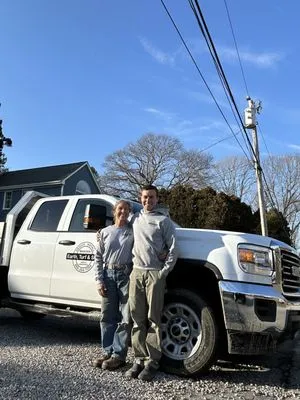
Earth, Turf, & Snow is a Mystic-based, full-service landscaping company serving Southeastern Connecticut for over 13 years. Owner Bill DeCourcey’s passion for the craft began as a nine-year-old mowing...
Timbuck2 is a trusted, local landscaping company serving the Mystic, CT community. We specialize in tackling the common yard problems homeowners face in our coastal climate, such as patchy, thin grass...
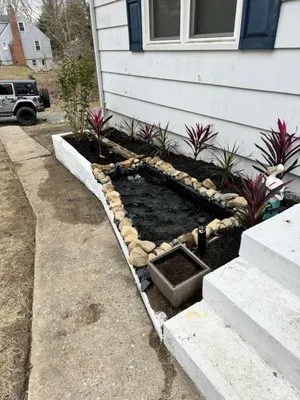
D&M Outdoor Services is a trusted local lawn care provider in Mystic, CT, dedicated to creating and maintaining healthy, beautiful landscapes for homeowners. We understand the common challenges in our...
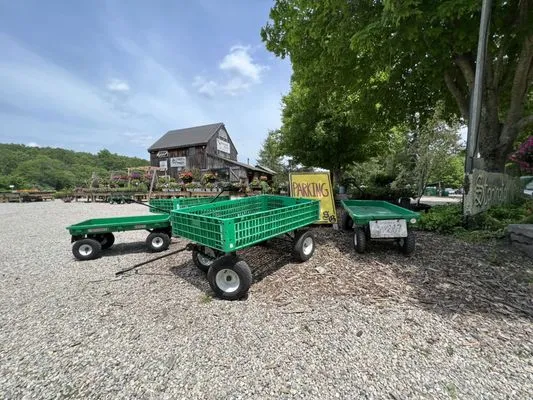
Stonington Gardens has been a cornerstone of the Mystic, CT gardening community since 2004, founded on a passion for cultivating beauty and fostering green thumbs. We operate as both a trusted garden ...

Coastal Construction Landscaping
Coastal Construction Landscaping is a local, family-owned business serving Mystic, CT, and the surrounding shoreline. We specialize in creating and maintaining beautiful, functional outdoor spaces tha...
Biletzke's Landscape Svc In Mystic is a trusted local landscaping company serving Mystic, CT, and surrounding areas. They specialize in addressing common residential landscaping challenges, such as ir...

Mystic Landscape Supplies & Services is a locally owned and operated landscaping business serving Mystic, CT and surrounding areas. We specialize in addressing common local yard problems like dead law...
Christie Landscaping is a trusted, locally-owned landscaping company serving Mystic, CT and the surrounding areas. We specialize in comprehensive landscape design, installation, and maintenance tailor...
Atlantic Landscape
Atlantic Landscape in Mystic, CT, is a full-service landscaping and excavation company dedicated to solving common Southern New England yard challenges. We understand that local homes often struggle w...
B B Landscape is a dedicated landscaping and design firm serving Mystic, CT, and the surrounding coastal communities. We understand that many local homes struggle with overgrown shrubs and patchy, une...
Questions and Answers
Is bluestone or pressure-treated wood better for a new patio that will last?
For longevity and minimal maintenance in Mystic's coastal climate, bluestone or permeable concrete pavers are superior to wood. They do not rot, warp, or require chemical treatments. While this area has a low Fire Wise rating, the non-combustible nature of stone also contributes passively to defensible space. A properly installed bluestone patio on a compacted gravel base can have a functional lifespan exceeding 50 years.
Do we need a permit to regrade our backyard and who is legally allowed to do the work?
Yes, significant regrading on a 0.35-acre lot typically requires a permit from the Stonington Planning & Zoning Department to ensure proper stormwater management and adherence to setback rules. The contractor must hold a Home Improvement Contractor license from the Connecticut Department of Consumer Protection. For projects involving extensive earth moving or connections to municipal drainage, additional specialty licensing may be legally required.
We see Japanese Knotweed spreading near the property line. How should we handle it?
Japanese Knotweed is a high-priority invasive species alert for this region. Eradication requires a multi-year, systemic herbicide program applied by a licensed professional during specific growth windows. All treatments must use phosphorus-free formulations as required by Connecticut state law. Crucially, cut stems and rhizome fragments must be contained and disposed of as hazardous waste to prevent further spread.
Our yard stays soggy for days after heavy rain. What's a long-term solution for coastal lots?
Saturated soil is a common coastal hazard here due to storm surge and the slow permeability of compacted sandy loam. A graded drainage plan incorporating French drains and dry creek beds is often necessary. For any new hardscape, specifying permeable concrete pavers or open-joint bluestone installations can significantly reduce surface runoff, which helps projects meet the Stonington Planning & Zoning Department's stormwater management standards.
Our yard seems compacted and drains poorly. Is this just an old property issue?
Properties in the Mystic River Historic District, with an average build year of 1938, have nearly 90-year-old soil profiles. This extended maturation on acidic sandy loam often leads to severe compaction and reduced percolation. Core aeration is critical to disrupt the dense layers, followed by incorporating compost to boost organic matter and improve the soil's cation exchange capacity for healthier root zones.
We want to reduce mowing and gas equipment noise. What are the best native alternatives to grass?
Transitioning high-maintenance turf to a layered planting of Coastal Panic Grass, Joe-Pye Weed, Sweet Pepperbush, and New England Aster creates a resilient, biodiverse landscape. This established native matrix requires no weekly mowing, aligning with the local noise ordinance by eliminating gas-powered blowers and mowers during restricted hours. It also provides superior habitat and reduces irrigation demand by over 70%.
How can we keep our lawn green during summer without breaking water conservation rules?
Under Stage 1 voluntary conservation, efficient water use is paramount. Smart Wi-Fi soil moisture sensor controllers are calibrated to the evapotranspiration (ET) rate for our 7a zone, delivering water only when the Kentucky Bluegrass and Fine Fescue root zone requires it. This technology can reduce potable water use by up to 30% compared to traditional timer systems, preserving the turf standard within municipal guidelines.
A storm knocked down a large limb. How quickly can a crew respond for an emergency cleanup?
For an emergency cleanup to maintain safety and HOA compliance, a crew can typically be dispatched within the hour from the Mystic Seaport Museum area. Using I-95, we project a 20-30 minute arrival to the Historic District, accounting for peak traffic variables. This rapid response prioritizes hazard removal and site stabilization before secondary damage occurs.
