Top Landscaping Services in Moosup, CT, 06354 | Compare & Call
There are 71 landscaping companies server in Moosup CT
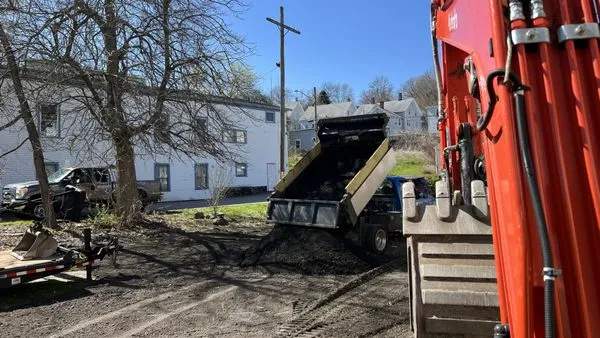
Harts Landscaping and Lawn Services is a family-owned and operated business serving Baltic and the broader Southeastern Connecticut area. Licensed and insured, we provide comprehensive landscaping and...
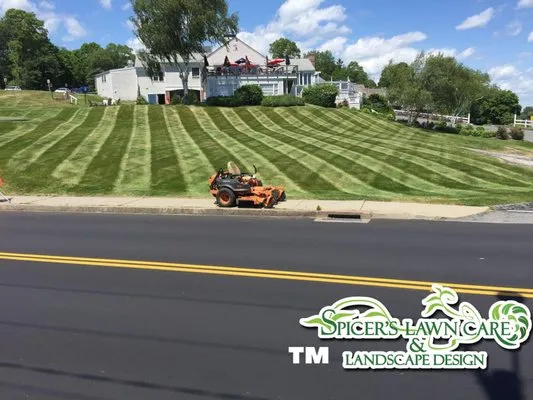
Spicer's Lawn Care & Landscape Design
Founded in 2014, Spicer's Lawn Care & Landscape Design is a family-owned and operated business built on a foundation of deep-rooted experience. The journey began with over 16 years of commercial maint...
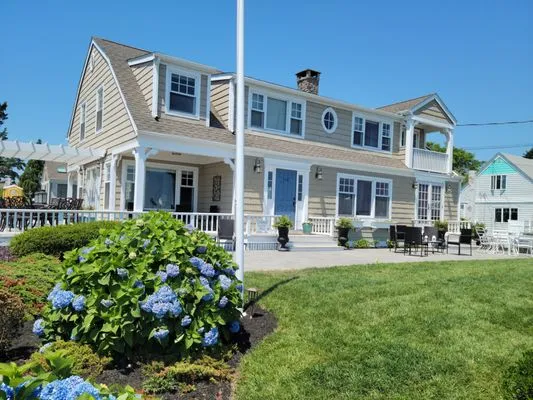
Pepas Hardscapes & Design
Pepas Hardscapes & Design LLC is a family-owned landscaping business serving Norwich, CT, and the surrounding Eastern Connecticut and Rhode Island communities. Established in 2018, we provide comprehe...
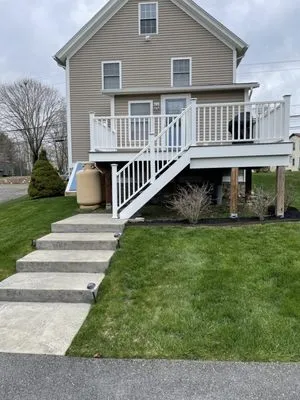
JJs Lawn Care is a Waterford-based lawn service provider that began as a commercial mowing operation, serving local businesses for several years before expanding into residential services. This transi...
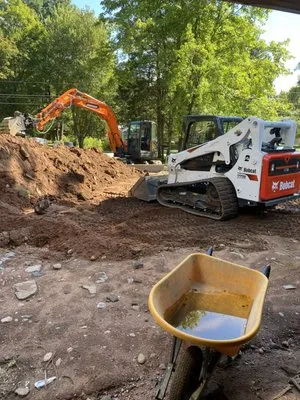
CT Siteworks
CT Siteworks is a licensed, family-owned excavation contractor with over 20 years of experience serving East Hampton and Central Connecticut. We provide professional site preparation, foundation excav...
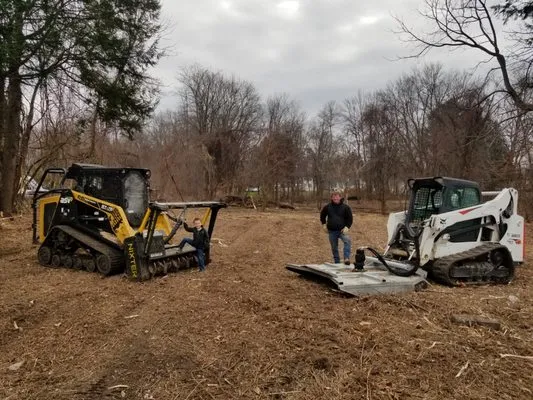
G Rocks is a full-service earthworks and landscape contractor serving Ellington, CT. Specializing in tree services, landscaping, and excavation, we provide comprehensive solutions to transform and mai...
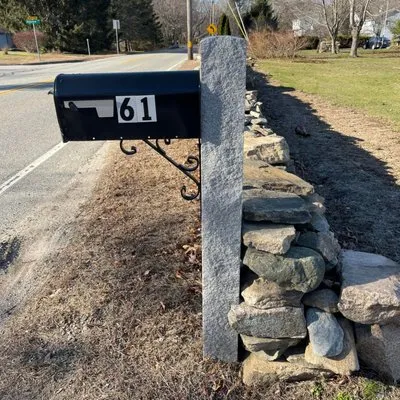
GBA Landscaping is a Norwich-based company serving homeowners and businesses within a 20-mile radius. We provide comprehensive lawn and tree services, including irrigation design, landscape planning, ...
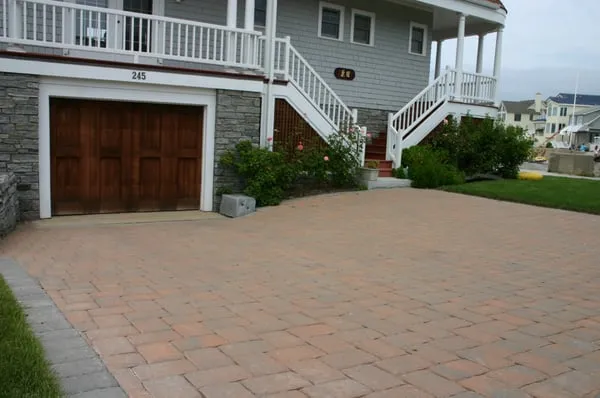
Hyde Park Landscape has been a trusted name in Norwich and across Southeastern Connecticut since its founding in 1980 by Harlan Hyde, Sr. As a family-owned business, they are led by Harlan and his son...
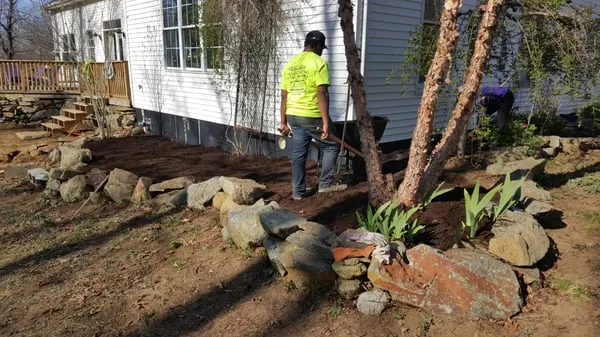
Affordable Landscaping and Tree Works
William Collelo, the owner of Affordable Landscaping & Tree Works, brings over a decade of hands-on experience to Norwich, having started his career with Brinkman in South Florida before honing his sk...
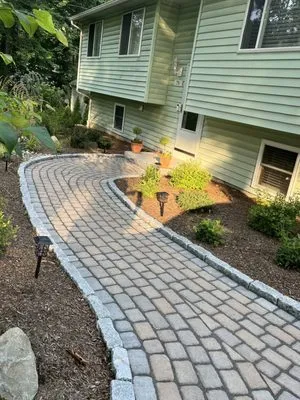
American Landscape and Lawn Science
American Landscape and Lawn Science is a family-owned business serving North Franklin and eastern Connecticut since 1984. Founded by Steve, the company combines decades of hands-on experience with for...
Estimated Landscaping Service Costs in Moosup, CT
Frequently Asked Questions
Do I need a permit to regrade my backyard or install a large patio on my half-acre lot?
Yes. Significant grading that alters water flow or impervious hardscape projects exceeding certain square footages typically require a permit from the Plainfield Planning & Zoning Department. For the contracting work itself, ensure your provider holds a current Home Improvement Contractor license from the Connecticut Department of Consumer Protection. This is legally required for projects of this scale on a 0.45-acre property and provides consumer protection.
Is a bluestone patio or a wood deck better for longevity and fire safety in Moosup?
Bluestone pavers offer superior longevity with minimal maintenance compared to wood, which requires regular sealing and is susceptible to rot. From a fire-wise perspective, a non-combustible bluestone patio contributes directly to creating the defensible space recommended for properties in Moderate Wildland-Urban Interface zones. It provides a durable, fire-resistant barrier immediately adjacent to the home.
How can I keep my Kentucky Bluegrass lawn healthy if Moosup enacts water restrictions later this summer?
An ET-based, Wi-Fi-connected irrigation system is the primary tool for water conservation. It adjusts runtime daily based on local evapotranspiration data, applying water only as needed. This precise approach maintains turf health within municipal limits, often using less water than a fixed schedule. Deep, infrequent watering cycles also encourage deeper root growth, improving drought tolerance.
What are the most aggressive invasive plants I should watch for in Moosup, and how do I handle them?
Japanese knotweed and oriental bittersweet are high-priority invasive species in this area, capable of damaging structures and outcompeting natives. Manual removal or targeted, systemic herbicide application by a licensed professional is often required. Any soil amendment or follow-up treatment must comply with Connecticut's phosphorus fertilizer ordinance, which restricts use except for new establishments or proven deficiencies.
My backyard near the village center turns into a sponge every spring. What's a long-term fix?
Seasonal saturation is common with our high water table and sandy loam soils, which can become compacted. A French drain system or dry creek bed can intercept and redirect subsurface water. For patios or walkways, using permeable bluestone paver installations increases ground absorption and can help meet Plainfield Planning & Zoning Department's standards for managing stormwater runoff on-site.
Why is my 70-year-old lawn in Moosup Village Center so patchy and compacted?
Properties built around 1950 have mature soil profiles that are now 76 years old. Decades of foot traffic and conventional maintenance have likely degraded the native acidic sandy loam structure, reducing its permeability and organic matter. Core aeration and the addition of compost are critical to improve oxygen and water infiltration, which are foundational for healthy turf in this soil type.
My HOA issued a violation notice for storm debris. How fast can you get here for an emergency cleanup?
Our standard emergency dispatch for Moosup Village Center routes from our staging area near the Moosup Pond Dam, utilizing I-395 for access. We can typically mobilize a crew and arrive on-site within the 25-35 minute peak response window. This allows for immediate assessment and debris removal to achieve HOA compliance within standard commercial hours.
I'm tired of weekly mowing. What are my options for a lower-maintenance, eco-friendly yard?
Replacing high-input turf areas with a native plant community is a strategic shift. Species like Little Bluestem, Joe Pye Weed, and Eastern Redbud are adapted to Zone 6a and require no fertilization, minimal watering, and infrequent cutting. This transition also supports local biodiversity and aligns with the move toward quieter, electric maintenance equipment in response to evolving community noise standards.
