Top Landscaping Services in Monroe, CT, 06468 | Compare & Call
There are 216 landscaping companies server in Monroe CT
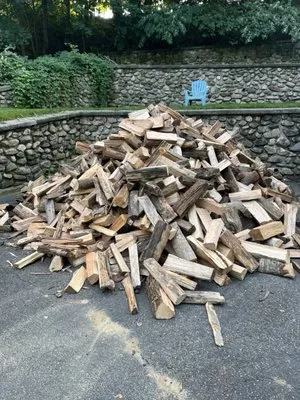
J&M Landscaping is a trusted, full-service landscaping company serving Orange, CT homeowners with irrigation, lawn care, and snow removal solutions. We specialize in addressing common local landscapin...
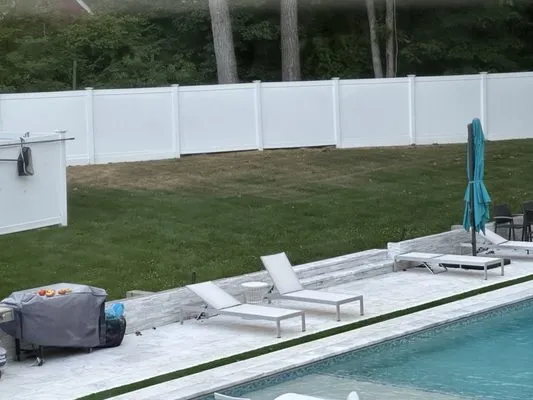
NV Landscaping is a family-owned and operated business proudly serving Monroe, CT, and the surrounding communities from Greenwich to Trumbull. Founded by Jorge over 13 years ago with a single truck an...
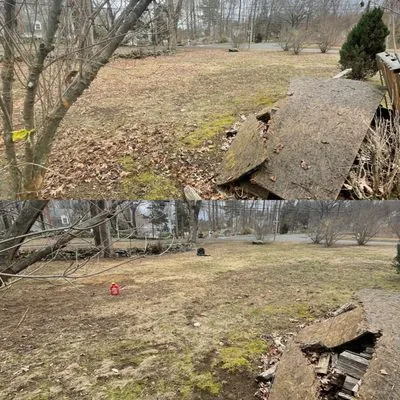
IronGate Landscaping is a Trumbull-based landscape maintenance and shrub care specialist serving homeowners throughout Fairfield County. We understand that local properties often face challenges like ...
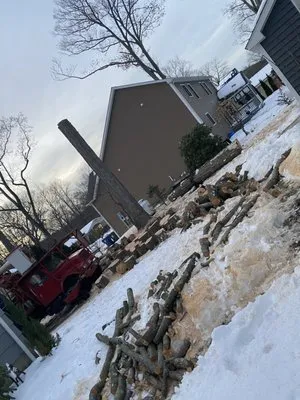
Eds Tree & landscaping
Eds Tree & Landscaping is a locally-owned and operated business serving Danbury and Fairfield County. Founded by Ed, who came to the USA at 14 and has worked in the area for over a decade, the company...
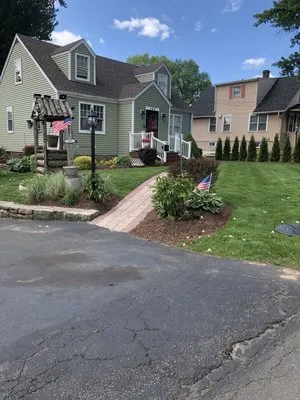
Salazar Lawn Care is a licensed, family-owned lawn service based in Stratford, CT, with over 20 years of dedicated experience serving the local community. Specializing in comprehensive lawn care, we o...

Alvarado Landscape and Maintenance
Alvarado Landscape and Maintenance is a Seymour-based landscaping company with deep roots in the community. Owner Alvarado began his career in the landscaping field 30 years ago, working primarily on ...
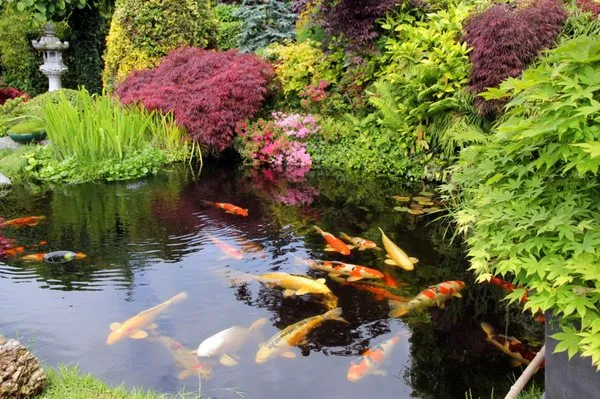
Tuscany Landscape Design
Tuscany Landscape Design serves New Fairfield, CT, and surrounding areas, offering a comprehensive range of landscaping and hardscaping services. As a local expert, we understand the common challenges...
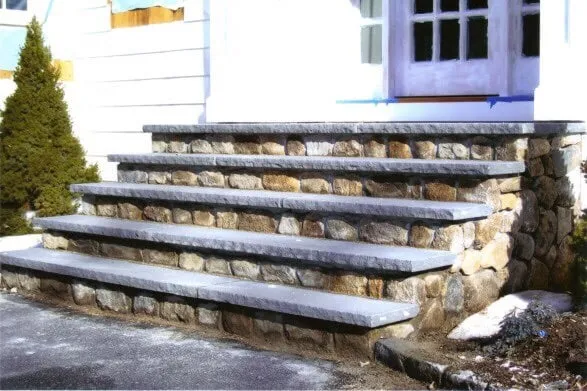
Quality Lawn Service is Norwalk's trusted partner for comprehensive landscaping and masonry solutions. We specialize in addressing the specific challenges of local properties, including soil compactio...
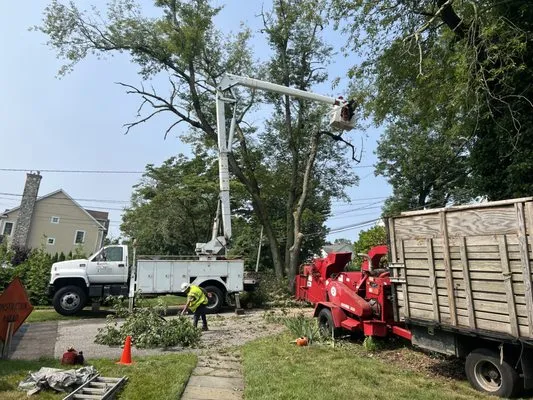
United Landscaping & Tree Services is Norwalk's trusted partner for comprehensive outdoor solutions, specializing in both landscaping and tree care. We help local homeowners tackle common issues like ...
Since 1948, Young's Fencing has been a trusted part of the Ridgefield community, evolving from a local feed store into a comprehensive provider of fencing and landscaping services. For over 75 years, ...
Estimated Landscaping Service Costs in Monroe, CT
Question Answers
My lawn in Monroe Center has always been thin and drains poorly. What's wrong with the soil?
Properties built around 1975, like many in Monroe Center, have soil that is now 50 years mature. The original acidic sandy loam (pH 5.5-6.5) has likely become compacted from decades of traffic, severely limiting permeability. This compaction, combined with the naturally high seasonal water table, creates the poor infiltration you observe. A soil test should confirm nutrient levels, but core aeration and incorporation of compost are foundational steps to rebuild structure and organic matter.
My yard stays soggy for days after rain. What's a long-term solution?
Persistent sogginess indicates the high water table and compacted sandy loam are overwhelming the site's infiltration capacity. Beyond regrading, installing a French drain system or dry well can intercept and redirect subsurface water. For new hardscapes, specifying permeable concrete pavers or setting bluestone on a gravel base increases surface permeability. These solutions help manage runoff and can be designed to meet Monroe Planning and Zoning Department standards for stormwater management.
What permits and credentials should I verify before hiring for major grading work on my 1.5-acre lot?
Any significant grading or earth-moving on a 1.5-acre lot typically requires a permit from the Monroe Planning and Zoning Department to ensure compliance with erosion and sediment control regulations. Legally, the contractor must hold a Home Improvement Contractor license from the Connecticut Department of Consumer Protection. For work impacting drainage patterns or property lines, verification of this licensing is non-negotiable to ensure accountability and proper execution.
I've spotted invasive Japanese Knotweed. How do I handle it legally and effectively?
Japanese Knotweed requires immediate and persistent management. Connecticut's Fertilizer Law restricts phosphorus application, but targeted glyphosate treatments in late summer/fall, applied directly to cut stems, are a standard effective control. It is critical to avoid soil disturbance that spreads rhizome fragments. All plant material must be bagged and disposed of as landfill waste, not composted. Multi-year follow-up is essential for eradication.
How can I maintain a healthy lawn while following Monroe's water rules?
Stage 1 water restrictions allow for efficient irrigation when managed correctly. A Wi-Fi ET-based system is critical; it automatically adjusts schedules using local weather data to apply only the water your Kentucky Bluegrass and Fine Fescue mix actually needs. This method prevents overwatering, which is especially detrimental given the area's poor infiltration. Properly calibrated, this technology maintains turf health while conserving water and adhering to municipal guidelines.
A storm damaged several trees on my property. How quickly can you respond for an emergency cleanup?
For urgent storm response, our fleet can typically dispatch from our base near Wolfe Park. The route via CT-25 to Monroe Center allows for an estimated 30-45 minute arrival during peak traffic conditions. We prioritize safety and securing the site, with full debris removal and chipping operations following initial assessment. Our electric equipment fleet operates within standard decibel limits, ensuring compliance during extended cleanup hours.
Is a bluestone patio or a composite wood deck better for longevity and fire safety?
For longevity and minimal maintenance in Monroe's climate, bluestone or concrete pavers are superior. They are non-combustible, a key consideration for maintaining defensible space in Moderate (WUI Zone 2) fire risk areas. Wood or composite decks require ongoing sealing and present a fuel source. A properly installed stone patio, with a stable gravel base for drainage, will last decades without rot, insect damage, or fire risk concerns.
I want to reduce mowing and chemical use. What are my options?
Transitioning perimeter areas to a native landscape is a strategic, low-input alternative. Species like Eastern Redbud, Sweet Pepperbush, New England Aster, and Little Bluestem are adapted to Zone 6b and local acidic soils, requiring no fertilization and minimal watering once established. This shift reduces fuel consumption, aligns with evolving noise ordinances concerning gas-powered equipment, and significantly enhances local biodiversity and pollinator habitat.
