Top Landscaping Services in Milford, CT, 06460 | Compare & Call
There are 208 landscaping companies server in Milford CT
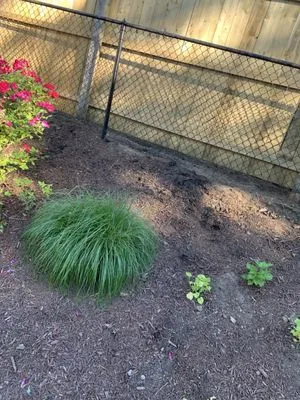
Happy Grass Landscaping has been a trusted lawn care and landscaping provider in Stratford, CT, since 2003. Founded with a single pickup truck and a commitment to affordable, quality service, we've gr...
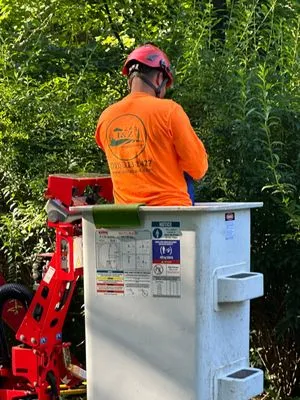
I & Z Landscaping Corp has been a trusted, locally-owned landscape partner in Bethel, CT, and surrounding towns for over 25 years. Founded on principles of professionalism, commitment, and diligence, ...

Mighty Oak Tree & Lawn Care is a locally owned and licensed provider serving Stratford and Fairfield County. We focus on the health and beauty of your property through comprehensive tree care, includi...
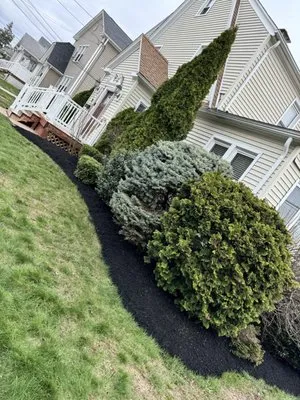
Alex Landscaping Services provides professional lawn care solutions for homeowners in New Haven, CT. We understand the specific challenges local properties face, such as overgrown shrubs and soil comp...
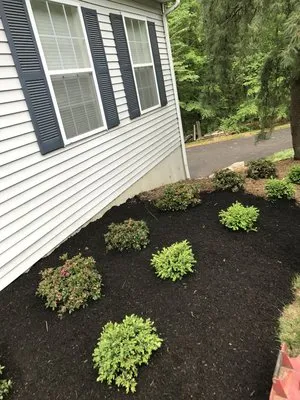
All American Land and Lawn Care
At All American Land and Lawn Care in Monroe, CT, we believe in hands-on, reliable service from start to finish. As a family-owned and operated company, owner Chris brings over 17 years of local exper...
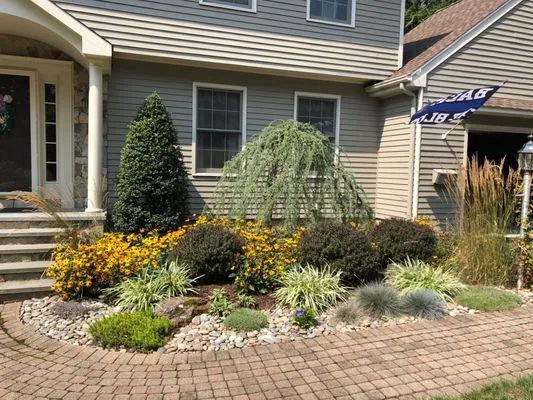
Green Thumb Landscaping is a Trumbull-based landscaping company specializing in comprehensive outdoor solutions for local homeowners. With expertise in design, installation, and maintenance, we help r...
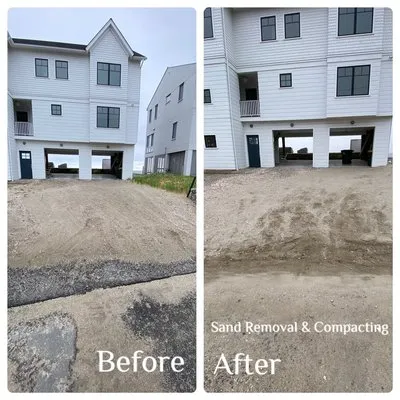
J & E Property Services, founded in 2023, is a fully insured home services provider dedicated to enhancing and maintaining properties across Fairfield County. We bring a comprehensive approach to land...
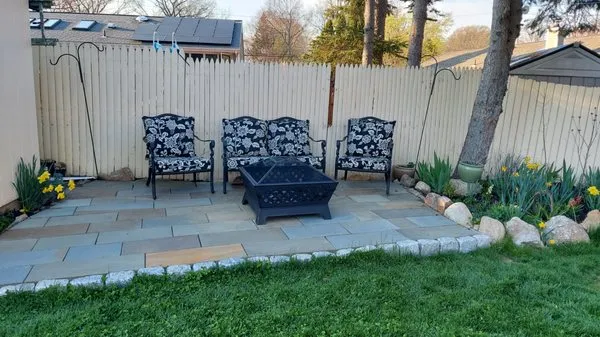
Four Seasons Landscaping has been serving Monroe, CT, and the surrounding Fairfield County area since 2010. Founded by owner Joe Calvo, who brings over 15 years of hands-on landscaping experience, the...
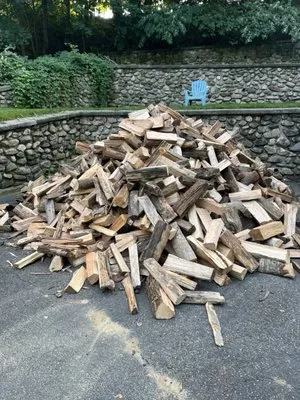
J&M Landscaping is a trusted, full-service landscaping company serving Orange, CT homeowners with irrigation, lawn care, and snow removal solutions. We specialize in addressing common local landscapin...
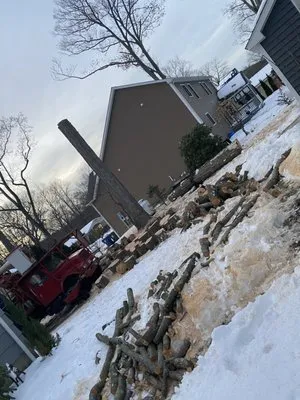
Eds Tree & landscaping
Eds Tree & Landscaping is a locally-owned and operated business serving Danbury and Fairfield County. Founded by Ed, who came to the USA at 14 and has worked in the area for over a decade, the company...
Estimated Landscaping Service Costs in Milford, CT
Q&A
How do I maintain Kentucky Bluegrass during water restrictions?
Wi-Fi ET-based weather sensing irrigation systems calculate evapotranspiration rates specific to Milford's microclimate. These systems automatically adjust watering schedules based on real-time weather data, reducing water use by 20-30% compared to traditional timers. During Stage 0 voluntary conservation periods, the system prioritizes deep, infrequent watering that encourages deeper root growth in fine fescue blends. This approach maintains turf health while staying well within municipal water allocation limits.
What invasive species should I watch for in my garden?
Japanese knotweed and garlic mustard present significant threats in Milford's acidic soils, outcompeting native vegetation for resources. Manual removal before seed set combined with targeted foliar applications of glyphosate-based herbicides during active growth phases proves most effective. These treatments avoid phosphorus-containing fertilizers prohibited by local ordinance on established lawns. Monitoring for regrowth every 3-4 weeks during growing seasons prevents reestablishment without violating application blackout dates.
Why does my Milford Center lawn struggle despite regular care?
Milford Center properties built around 1965 have soil that has matured for approximately 61 years. Acidic sandy loam with pH 5.5-6.5 typically develops compaction layers from decades of foot traffic and maintenance equipment. This soil type benefits from annual core aeration to improve oxygen exchange and water infiltration. Incorporating organic amendments like composted leaf mold can gradually buffer acidity while enhancing moisture retention in sandy profiles.
What drainage solutions work with Milford's high water table?
Coastal storm surge susceptibility combined with acidic sandy loam creates periodic saturation issues in low-lying areas. Permeable concrete pavers installed with proper base layers allow 80-90% of rainfall to infiltrate directly into the soil profile. This approach meets Milford Planning & Zoning Department runoff standards while reducing pressure on municipal storm systems. For severe cases, French drains with clean stone aggregate provide additional subsurface water movement away from foundations.
What permits and licenses does grading work require?
Grading projects on 0.25 acre lots in Milford require permits from the Milford Planning & Zoning Department when moving more than 50 cubic yards of material. Contractors must hold valid Home Improvement Contractor licensing through the Connecticut Department of Consumer Protection, which verifies insurance coverage and technical competency. Professional licensing ensures proper erosion control measures during coastal storm events and compliance with setback requirements. Unlicensed grading can violate municipal codes regarding stormwater management on properties with high water table conditions.
Can I reduce maintenance while supporting local ecology?
Replacing high-maintenance turf areas with Eastern Red Columbine, Butterfly Weed, and Little Bluestem creates habitat corridors for pollinators while reducing mowing frequency. These native species require minimal irrigation once established and provide seasonal interest without chemical inputs. Transitioning to electric maintenance equipment ahead of tightening noise ordinance restrictions eliminates gas-blower emissions. Virginia Creeper on vertical surfaces provides cooling effects through evapotranspiration during summer months.
How quickly can you respond to storm damage for HOA compliance?
Emergency cleanup crews dispatch from the Milford Green area via I-95 to reach Milford Center properties within 25-35 minutes during peak response scenarios. This routing accounts for typical traffic patterns while maintaining compliance with noise ordinance restrictions between 8PM and 7AM. Crews prioritize safety assessments before beginning debris removal operations with electric equipment to meet decibel limits.
Are permeable pavers better than wood for patio longevity?
Permeable concrete pavers offer 25-30 year lifespans versus wood's 10-15 years in USDA Zone 7a conditions. Their interlocking design accommodates freeze-thaw cycles without heaving while maintaining 8-12 inches per hour permeability rates. For properties with Low Fire Wise ratings in urban-suburban interfaces, pavers create defensible space without combustible materials. Unlike wood, they resist insect damage and don't require chemical treatments that could leach into the high water table.
