Top Landscaping Services in Middlebury, CT, 06762 | Compare & Call
There are 231 landscaping companies server in Middlebury CT
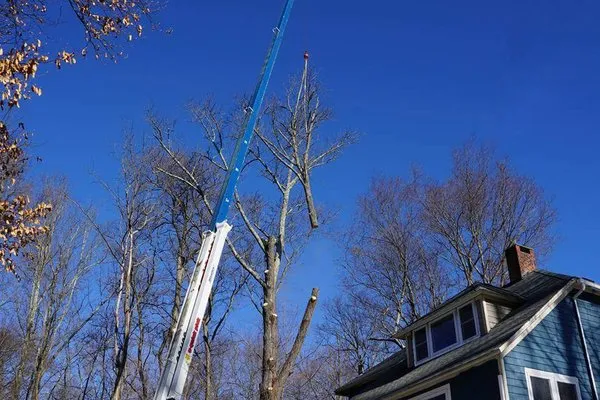
Lasky Enterprises was born from a mix of friendship and a leap of faith. Founder Joe was a painter when a friend, a tree climber, persistently encouraged him to try tree work. After a year of persuasi...
Luis & Son Landscaping is a family-owned landscaping business serving Waterbury, CT, and surrounding areas. We specialize in addressing common local landscaping challenges, such as tree root damage to...
Grassy Hill Tree & Lawn Service is a trusted, locally-owned provider of comprehensive lawn care and snow removal services in Waterbury, CT. We understand the unique challenges Waterbury homeowners fac...
Hillview Property Maintenance is a trusted local provider of tree services and landscaping in Naugatuck, CT. We specialize in landscape maintenance and tree care services to keep your outdoor spaces h...
Tri-Bury Landscaping is a trusted, full-service landscaping company serving Middlebury, CT, and the surrounding Tri-Town area. We understand the common challenges local homeowners face, such as persis...
Pine Brook Landscaping is a trusted local landscaping company serving Waterbury, CT, dedicated to helping homeowners maintain beautiful, functional outdoor spaces. We specialize in addressing common l...
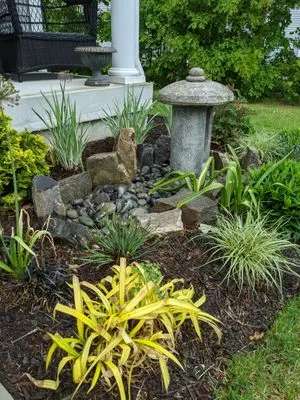
Nature's Designs
Julie Montanaro brings over 29 years of experience to Naugatuck, CT, offering a comprehensive approach to landscaping rooted in nature. With a B.S. in Ornamental Horticulture and Landscape Design, her...
Jorge's Landscape is a trusted, locally-owned landscaping company serving Waterbury, CT, and the surrounding communities. We understand the specific challenges homeowners face in our area, including p...
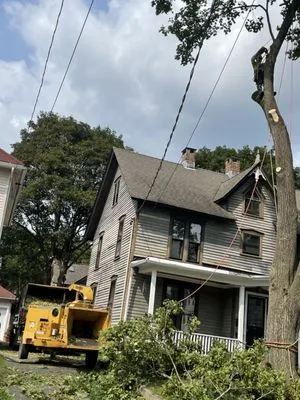
Mike's Tree Service & Landscaping is a Torrington-based company with over 14 years of experience serving Litchfield, Hartford, New Haven, and Fairfield counties. We specialize in comprehensive tree ca...
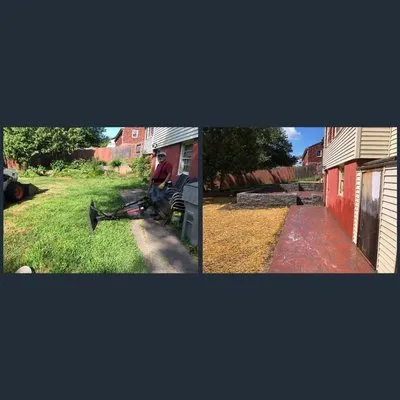
DB Landscape is a Wolcott-based landscaping company with over a decade of experience serving homeowners and businesses in the local community. We specialize in creating enduring outdoor spaces designe...
Estimated Landscaping Service Costs in Middlebury, CT
Frequently Asked Questions
How do I maintain my lawn during Stage 1 water restrictions?
Smart Wi-Fi soil moisture sensor controllers adjust irrigation based on actual ET rates, reducing water use by 30-40% while preserving Kentucky Bluegrass health. These systems bypass municipal restrictions by applying water only when soil moisture drops below field capacity. Programming follows the 1-inch per week standard for established turf, with deeper, less frequent cycles that encourage root growth. Monitoring via mobile apps provides real-time compliance data.
What solutions exist for seasonal water pooling in my yard?
High water tables in Middlebury's acidic sandy loam require French drains or dry wells with 12-18 inch gravel beds. Bluestone pavers installed with permeable jointing sand achieve 0.5-1.0 inch per hour infiltration rates, meeting Planning and Zoning Department runoff standards. Grading should create 2% slope away from foundations, with catch basins directing water to rain gardens planted with Switchgrass for additional absorption.
What are alternatives to high-maintenance turf grass?
Replacing 30-50% of turf with Eastern Redbud, Highbush Blueberry, Purple Coneflower, and Switchgrass reduces mowing frequency and eliminates gas blower use. These natives thrive in Zone 6a with minimal irrigation once established, cutting water demand by 60-70%. The transition supports 2026 biodiversity standards while creating habitat for pollinators. Electric maintenance equipment handles leaf management quietly within ordinance hours.
How quickly can you respond to an emergency tree cleanup after a storm?
Emergency response from Lake Quassapaug via I-84 reaches Middlebury Center within 20-30 minutes during peak conditions. Our electric fleet operates within the 8am-8pm noise ordinance window without gas blower restrictions. HOA compliance issues typically resolve within 48 hours, with priority given to safety hazards like hanging limbs or blocked access. We coordinate with local utilities for downed power line scenarios.
Why does my Middlebury Center lawn have drainage issues and poor grass health?
Middlebury Center properties built around 1974 have 52-year-old soil systems. Acidic sandy loam soils in this neighborhood naturally compact over decades, reducing permeability to below 0.5 inches per hour. Core aeration with organic compost amendments addresses this compaction while maintaining the pH 5.5-6.5 range optimal for Kentucky Bluegrass and Fine Fescue. Soil testing every three years tracks organic matter content, which should exceed 3% for proper water retention.
What permits and licenses are needed for landscape grading?
Grading on 0.95-acre lots requires Middlebury Planning and Zoning Department approval for earth moving exceeding 50 cubic yards. Contractors must hold Connecticut Department of Consumer Protection HIC registration with specific landscaping classification. Erosion control plans meeting 2026 CT DEEP standards are mandatory, with silt fencing inspected before work begins. Proper licensing ensures compliance with state fertilizer ordinances and watershed protection regulations.
Why choose bluestone over wood for patios and walkways?
Bluestone pavers provide 50+ year durability versus wood's 15-20 year lifespan in Connecticut's freeze-thaw cycles. Their non-combustible nature supports Moderate Firewise USA defensible space requirements when installed with 5-foot clearance from structures. Thermal mass properties reduce urban heat island effect, and natural cleft surfaces prevent slipping. Proper base preparation with 6 inches of compacted gravel ensures frost heave resistance.
How do I control invasive plants without chemical runoff?
Japanese knotweed and garlic mustard require manual removal before seed set in early summer, avoiding the statewide phosphorus ban blackout periods. Spot treatment with glyphosate alternatives follows label directions precisely to prevent Lake Quassapaug watershed contamination. Soil testing determines if micronutrient deficiencies mimic invasive symptoms, with iron supplements correcting chlorosis in acidic soils without phosphorus.
