Top Landscaping Services in Litchfield, CT, 06759 | Compare & Call

There are 160 landscaping companies server in Litchfield CT
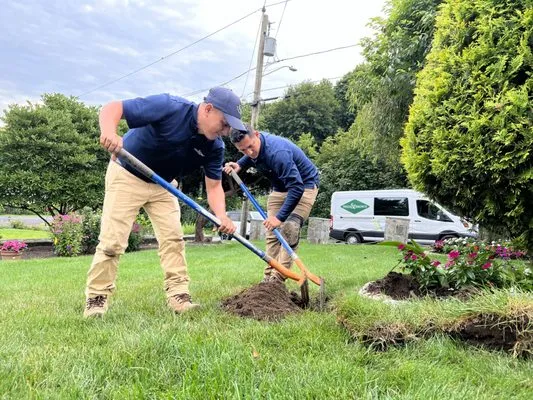
Teed & Brown is a Norwalk-based lawn care company founded in 1995 by Peter Teed and Christopher Brown, combining Peter's hands-on Connecticut lawn care experience with Chris's Turfgrass Science degree...
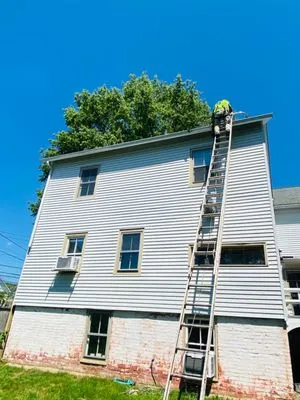
G&R Handyman Services has been a trusted partner for New Haven homeowners since 2007. With over 18 years of experience, our team provides reliable solutions for a comprehensive range of home and prope...

Oddjobs Handymen is a New Haven-based, family-owned business with deep roots in the skilled labor industry. Founded by Alfonso Lara and now operated by his son, a licensed Home Improvement contractor ...
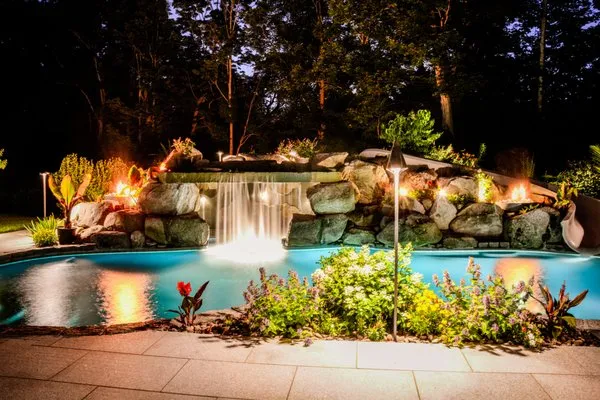
Hoffman Landscapes
Hoffman Landscapes is a Wilton-based landscaping firm that brings over two decades of local experience to residential and commercial properties throughout Fairfield County. Founded on a commitment to ...
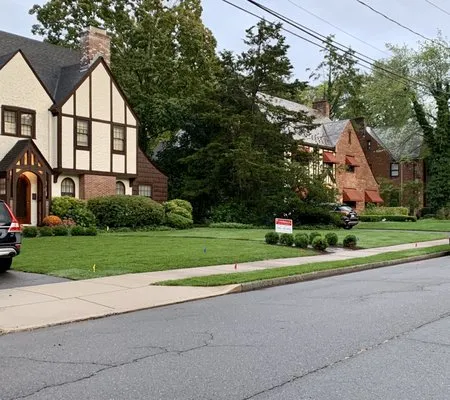
Chenail is a licensed landscaping and irrigation company based in West Hartford, CT, specializing in comprehensive outdoor care for residential and commercial properties. With expertise spanning lands...
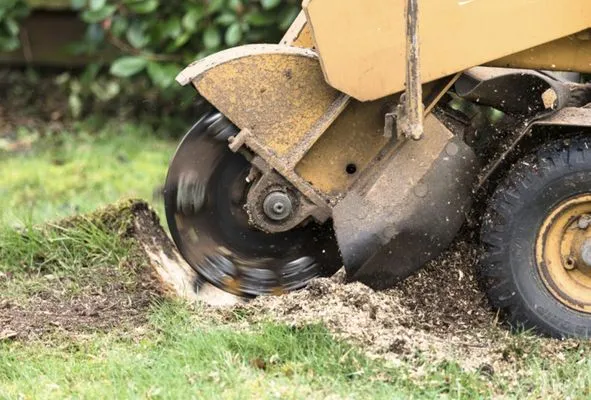
Stumpy McGrinder's in Simsbury, CT, is a locally owned landscaping and tree service business that grew from personal necessity into a trusted community resource. During the COVID-19 pandemic, when man...
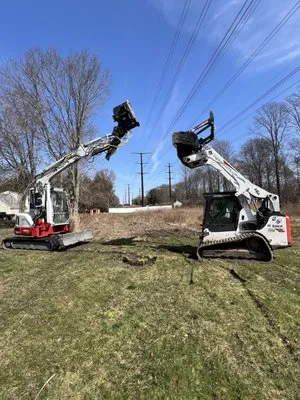
VegOut Forestry is a dedicated landscaping and forestry service based in Orange, CT, focused on transforming challenging outdoor spaces into clean, usable areas. We specialize in forestry mulching, a ...
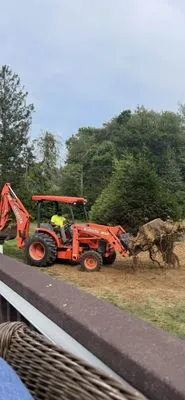
Elite Stump Removal is a locally owned and operated tree service and landscaping company serving Trumbull, CT. Rooted in honesty and integrity, we provide reliable solutions for a healthier, safer, an...
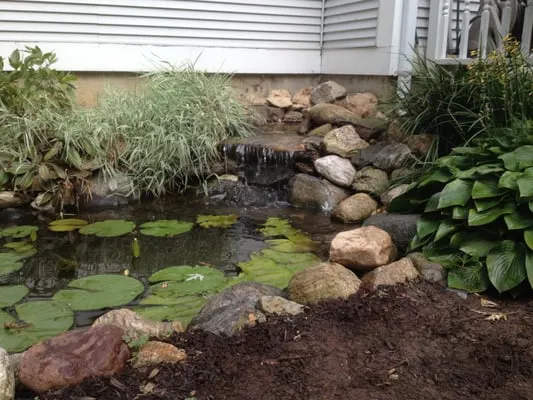
Founded in 1984 by Steve Walowski, a graduate of Delaware Valley College with a degree in Landscaping & Groundskeeping, Hillside Landscaping Co. brings decades of dedicated experience to Berlin, CT, a...

Owl Hill Landscaping & Snow is a trusted local company serving New Haven, CT, dedicated to providing reliable, high-quality outdoor services. We specialize in comprehensive lawn care, effective pest a...
Estimated Landscaping Service Costs in Litchfield, CT
Q&A
What permits and contractor credentials are needed to regrade and landscape my 1.2-acre lot?
Significant grading or earthmoving on a lot of this scale typically requires a permit from the Litchfield Planning and Zoning Department to ensure compliance with erosion and sediment controls. The contractor must hold a valid Home Improvement Contractor license from the Connecticut Department of Consumer Protection. For specialized work like installing a drainage system or retaining walls over a certain height, additional professional engineering may be mandated.
How can I keep my lawn healthy during Litchfield's Stage 1 water conservation period?
Wi-Fi ET-based weather-sensing irrigation is the standard for compliance. This system automatically adjusts watering schedules based on real-time evapotranspiration data, preventing overwatering. For Kentucky Bluegrass and Fine Fescue blends, deep, infrequent watering encourages deeper root systems that are more drought-tolerant. This technology typically reduces municipal water use by 20-30% while maintaining turf health, aligning perfectly with voluntary conservation goals.
How quickly can you respond for emergency storm cleanup to meet HOA compliance deadlines?
For urgent situations like post-storm debris removal, our dispatch from the Litchfield Green area allows a 20-30 minute peak response time to most neighborhoods via Route 202. We prioritize safety and compliance, coordinating with local utilities for downed limbs. Our transition to a primarily electric maintenance fleet ensures we can operate within standard noise limits even during early morning or evening windows to meet strict deadlines.
What should I do about invasive plants like Japanese Barberry or Burning Bush in my garden?
Manual removal or targeted cut-stump herbicide application in late summer is most effective for these common invasives. It is crucial to note that Connecticut's statewide phosphorus ban prohibits most standard lawn fertilizers; any soil amendment must be based on a current test showing a deficiency. Always dispose of invasive plant material in the town landfill stream, not in compost, to prevent further spread.
Why does the soil in my Litchfield Center yard seem so compacted and hard to work with?
Homes built around the town's 1944 average often have soil undisturbed for over 80 years, leading to significant compaction in the native acidic fine sandy loam. This soil type can develop a dense layer that restricts root growth and water percolation. Core aeration is a critical annual practice to alleviate this, followed by amendments like compost to improve organic matter and structure. Building soil health gradually is more effective than attempting a single-season fix.
I want to reduce mowing and gas-powered maintenance. What are my options?
Transitioning perimeter areas to climate-adaptive xeriscaping with native plants is a forward-looking strategy. Species like Eastern Redbud, Mountain Laurel, New England Aster, and Switchgrass are adapted to Zone 6a and require no fertilization, minimal watering, and no weekly mowing. This reduces reliance on gas-powered equipment, positioning your property ahead of potential future noise ordinance refinements while significantly supporting local biodiversity.
Is bluestone or wood a better choice for a new patio in terms of longevity and safety?
Bluestone pavers offer superior longevity and lower lifetime maintenance compared to wood, which requires regular sealing and is susceptible to rot. In Litchfield's Moderate (WUI Zone 2) fire risk rating, non-combustible hardscape materials like bluestone are recommended for creating defensible space within 30 feet of a structure. Their permeability also supports better site drainage compared to solid concrete pours.
My yard has persistent soggy areas and frost heave damage each spring. What's the solution?
This is a direct result of Litchfield's high seasonal water table interacting with the area's fine sandy loam soil, which has slow permeability when compacted. Correcting grade to direct surface water away from foundations is the first step. For hardscape projects like patios, using permeable bluestone paver systems increases infiltration and can help meet Planning and Zoning Department runoff requirements, mitigating both pooling and frost heave risks.
