Top Landscaping Services in Ledyard, CT, 06335 | Compare & Call


Spicer's Lawn Care & Landscape Design
Founded in 2014, Spicer's Lawn Care & Landscape Design is a family-owned and operated business built on a foundation of deep-rooted experience. The journey began with over 16 years of commercial maint...

Denison Tree Removal is a locally owned and operated service provider in Ledyard, CT, with ISA-trained specialists dedicated to the health and safety of your property. We offer a comprehensive range o...

Affordable Facility Maintenance is a locally-owned and operated business serving Ledyard, CT, and the surrounding communities. We specialize in creating clean, well-maintained environments for both co...
Ac Masonry & Landscaping is a locally owned and operated business serving Ledyard, CT, and surrounding areas. We specialize in providing lasting solutions to common local property challenges. Many Led...

Reay's Mulch and Moore is your local, family-owned lawn and garden partner in Ledyard, CT. We specialize in comprehensive lawn care, thoughtful landscape design, and expert gardening to create and mai...
Spicers Lawn Care is a dedicated local lawn care provider serving the Ledyard, CT community. We specialize in restoring and maintaining healthy, resilient lawns, with a particular focus on addressing ...
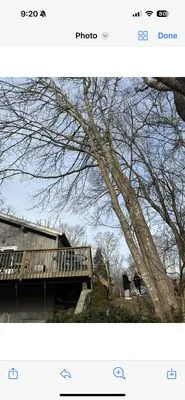
Falcone Landscape Design & Maintenance is a dedicated local landscaping company serving the Ledyard, Connecticut community. We provide comprehensive property care, from detailed landscape design and c...
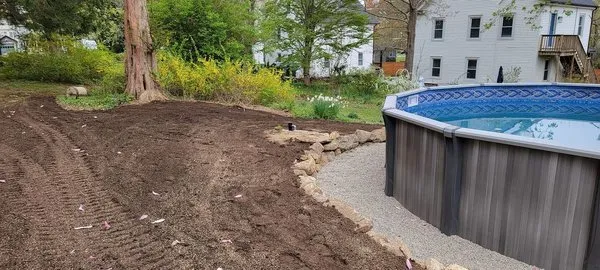
At H & H Landscaping, we've been dedicated to enhancing properties throughout Ledyard and the surrounding communities, including Mystic and New London, for nearly three decades. Our approach is person...
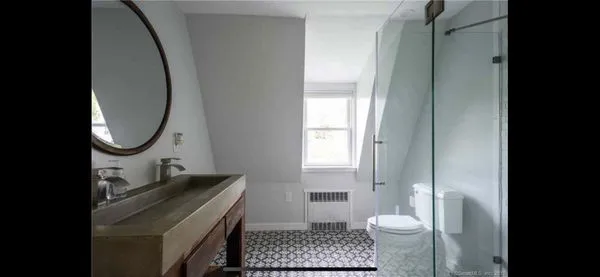
Sparkle Lake Services is a trusted local provider in Ledyard, CT, specializing in landscaping and handyman solutions to keep your outdoor spaces beautiful and functional. We understand the unique chal...
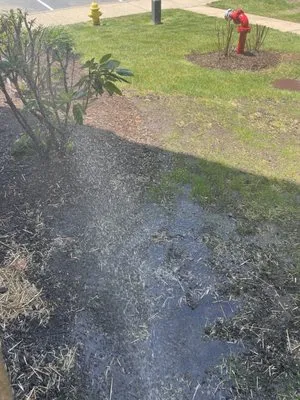
Bauman's Lawn Care is a trusted landscaping company serving Ledyard, CT, specializing in gardening and landscape maintenance. We understand the local challenges homeowners face, particularly with spri...
FAQs
How do I control invasive species without chemical runoff?
Japanese knotweed and garlic mustard present the highest invasive risks in Ledyard's acidic soils. Manual removal during early growth stages prevents seed dispersal without violating Connecticut's phosphorus restrictions under Statute 22-49a. Targeted spot treatments using glyphosate alternatives avoid fertilizer ordinance blackout dates while protecting nearby native plantings. Soil solarization during peak mulching season in mid-April suppresses weed germination through thermal means rather than chemical intervention.
What permits and licenses are needed for grading my 0.75-acre lot?
Grading work on 0.75-acre properties requires Connecticut Department of Consumer Protection licensing for soil erosion control and stormwater management. The Ledyard Planning and Zoning Department issues permits for earth moving exceeding 50 cubic yards or affecting natural drainage patterns. Licensed professionals must demonstrate competency in sediment barrier installation and post-construction stabilization techniques. These regulations prevent downstream sedimentation while maintaining proper lot drainage toward approved discharge points.
Why does my Ledyard Center lawn struggle despite regular care?
Ledyard's 1977-built homes sit on acidic fine sandy loam soil that has matured for 49 years, developing compaction from glacial till. This soil type in your neighborhood retains water poorly while restricting root growth, creating a high seasonal water table. Core aeration with organic compost amendments improves soil percolation and nutrient availability for Kentucky bluegrass and fine fescue blends. Regular soil testing every 2-3 years monitors pH levels between 5.5-6.2 to maintain optimal turf health.
Are granite pavers better than wood for patio longevity?
Granite pavers and natural fieldstone offer superior durability with 50+ year lifespans compared to wood's 15-20 year expectancy in Ledyard's climate. These materials maintain structural integrity through freeze-thaw cycles common in USDA Zone 6b. Their non-combustible nature supports moderate Firewise ratings by creating defensible space in wildland-urban interface areas. Proper installation with polymeric sand joints prevents weed growth while allowing necessary water permeability for local drainage requirements.
Should I replace high-maintenance turf with native plants?
Transitioning to Eastern redbud, highbush blueberry, and little bluestem reduces mowing frequency while supporting 2026 biodiversity standards. Native plantings require 75% less water than Kentucky bluegrass blends and provide habitat for local pollinators. This approach stays ahead of potential gas-blower restrictions under noise ordinances by minimizing leaf litter management. Purple coneflower and swamp milkweed establish deep root systems that improve soil structure and drought tolerance.
How quickly can you respond to storm damage for HOA compliance?
Emergency cleanup crews dispatch from the Bill Library area via CT-117, arriving within 25-40 minutes during peak response times. Our electric maintenance fleet operates within Ledyard's 7am-9pm noise ordinance decibel limits without disruption. We prioritize fallen branch removal and drainage channel clearing to prevent water damage to foundations. All equipment meets 2026 electric vehicle standards for reduced emissions during neighborhood operations.
What solutions address seasonal flooding in my yard?
Glacial till compaction in Ledyard's acidic fine sandy loam creates poor permeability and high water tables. Installing French drains with clean stone aggregate redirects subsurface water away from foundations. Permeable granite paver installations meet Ledyard Planning and Zoning Department runoff standards by allowing 95% of rainwater to infiltrate. Grading adjustments with 2% slope away from structures prevent surface water accumulation during spring thaw periods.
Can I maintain healthy grass under Stage 1 water restrictions?
Smart Wi-Fi ET-based weather sensing irrigation systems preserve Kentucky bluegrass and fine fescue blends while staying within municipal water limits. These systems calculate evapotranspiration rates to deliver precise moisture levels, reducing water usage by 30-40% compared to traditional timers. Programming follows Ledyard's voluntary conservation guidelines with deep, infrequent watering cycles that encourage deeper root growth. Regular system audits ensure optimal performance throughout the May-September growing season.
