Top Landscaping Services in Lake Pocotopaug, CT, 06424 | Compare & Call
There are 233 landscaping companies server in Lake Pocotopaug CT
A-Plus Landscaping LLC is a trusted shoreline company with over 21 years of experience serving East Haven, CT, and surrounding communities. Owner Pat personally oversees every project to ensure client...
Rivers Tree Service is a trusted, locally-owned company serving Ansonia and the surrounding areas of New Haven and Fairfield County for over a decade. We provide reliable tree care and landscaping sol...

Legendary Landscaping is a trusted lawn care provider serving New Haven, CT homeowners. We specialize in comprehensive lawn care services designed to address common local landscaping challenges, inclu...
Paradise Landscaping & Tree Removal
Paradise Landscaping & Tree Removal is a fully insured and licensed Hamden, CT company serving all of New Haven County. We specialize in comprehensive property care, from emergency tree removal and ro...
Small World Landscaping is a dedicated lawn care provider serving New Haven, CT, and the surrounding communities. We specialize in creating and maintaining healthy, vibrant lawns that enhance your pro...

The Nature Professionals in Manchester, CT is a family-owned business with deep roots in forestry and outdoor craftsmanship. Founded by someone born into a logging family from Newport, Vermont, the co...
D. Perrelli Landscaping LLC is an owner-operated landscaping company that has been serving the East Hampton, Portland, and Colchester communities since 1996. With over 25 years of hands-on experience,...

Family Tree Landscaping & Sealcoating
Family Tree Landscaping & Sealcoating is your full-service partner for enhancing and protecting your New London, CT, property. From major earthmoving projects to routine lawn care, our skilled team ha...
Gotta & Sons Masonry is a family-owned masonry and landscaping contractor serving East Hampton, CT, with deep roots in both masonry and horticulture. With over 20 years of experience in masonry and 30...
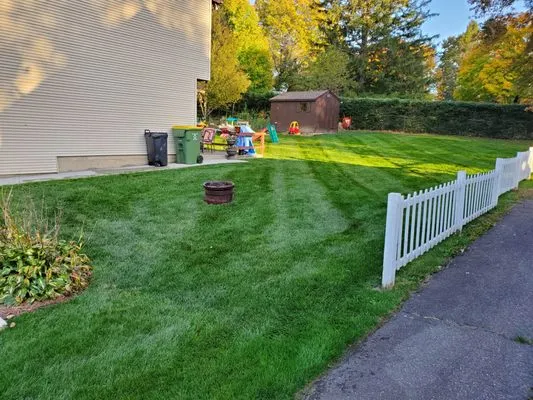
Riley Tree & Landscaping is a licensed, full-service outdoor company based in Naugatuck, CT, serving residential and commercial clients throughout Litchfield County. With nearly a decade of local expe...
Estimated Landscaping Service Costs in Lake Pocotopaug, CT
Questions and Answers
What invasive species should I monitor in Lake Pocotopaug?
Japanese knotweed and garlic mustard present significant threats to local ecosystems. Manual removal before seed set proves most effective, avoiding chemical treatments that might violate Connecticut's phosphorus ban. Early spring identification allows for targeted intervention when plants are most vulnerable. Regular monitoring prevents establishment while preserving soil microbiology and avoiding fertilizer ordinance conflicts.
Is bluestone or wood better for patio construction here?
Local bluestone pavers offer superior longevity with minimal maintenance compared to wood in Lake Pocotopaug's climate. Their non-combustible nature supports defensible space requirements in Moderate Wildland-Urban Interface zones. Bluestone's thermal mass moderates temperature fluctuations, reducing heat island effect. Proper installation with appropriate base materials ensures decades of service with only occasional cleaning needed.
What permits and licenses are required for landscape grading?
Grading work on 0.35-acre lots requires Connecticut Department of Consumer Protection licensing for contractors performing earth movement. The East Hampton Planning and Zoning Department reviews drainage plans to ensure compliance with local runoff regulations. Professional licensing verifies competency in soil mechanics and erosion control. These requirements protect property owners from improper grading that could cause structural damage or neighbor disputes.
Why does my Lake Pocotopaug lawn struggle despite regular care?
Lake Pocotopaug Residential District properties average 49 years of soil development since 1977 construction. Acidic sandy loam soils in this area naturally compact over decades, reducing permeability and root penetration. Core aeration every 2-3 years addresses this by improving oxygen exchange and water infiltration. Adding organic amendments like composted leaf mold increases cation exchange capacity, which helps retain nutrients in these fast-draining soils.
What solutions exist for seasonal water pooling in my yard?
Moderate runoff issues in acidic sandy loam soils stem from seasonal high water tables and reduced permeability. Installing French drains with clean stone aggregate redirects subsurface water away from structures. Using local bluestone pavers in permeable patterns meets East Hampton Planning and Zoning Department runoff standards by allowing infiltration. These systems work with the soil's natural drainage characteristics rather than against them.
How quickly can you respond to storm damage for HOA compliance?
Emergency cleanup crews dispatch from Edgewater Park via Route 66 with 20-30 minute peak response times. This routing avoids residential congestion while maintaining accessibility to Lake Pocotopaug properties. Crews prioritize safety assessments before debris removal, ensuring compliance with local ordinances. All equipment meets current noise restrictions for gas-powered operation during permitted hours.
How can I reduce maintenance while supporting local ecology?
Transitioning high-maintenance turf to native plantings like New England Aster and Little Bluestem creates resilient landscapes. These species require minimal irrigation once established and provide habitat for pollinators. This approach reduces reliance on gas-powered equipment ahead of tightening noise ordinances. Native plant communities also improve soil health through deeper root systems and natural nutrient cycling.
Can I maintain Kentucky Bluegrass during water restrictions?
Smart Wi-Fi ET-based controllers optimize irrigation by calculating evapotranspiration rates specific to Lake Pocotopaug's microclimate. These systems adjust watering schedules based on real-time weather data, reducing consumption by 20-30% while preserving turf health. During Level 1 voluntary conservation, this technology prevents overwatering while maintaining the fine fescue blend's drought tolerance. Proper programming aligns with municipal water limits without sacrificing landscape integrity.
