Top Landscaping Services in Killingly, CT, 06233 | Compare & Call

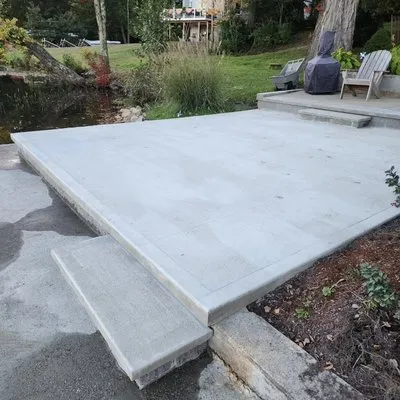
Elite Masonry and Hardscapes is a family-owned, fully licensed and insured business serving Killingly and the surrounding areas. Founded by a mason with over a decade of union experience, we bring pro...
DS Cleaning is your trusted local handyman and landscaping company serving Killingly, CT and surrounding areas. We specialize in comprehensive property maintenance solutions that keep your home and ya...

VTH Lawn Care is a locally owned and operated service in Killingly, CT, founded by three dedicated 16-year-olds. We're here to provide reliable lawn care and pressure washing for homes across eastern ...

Bracy is a licensed and insured local handyman, landscaping, and junk removal business serving Killingly, CT. We provide comprehensive home and property services including appliance work, drywall repa...

Hometown Lawn is a trusted lawn care provider serving Killingly, CT, dedicated to maintaining beautiful, healthy outdoor spaces for local residents. We specialize in comprehensive lawn care services t...
Common Questions
Our yard floods every spring - what drainage solutions work with Killingly's high water table?
Seasonal frost heave exacerbates drainage issues in acidic sandy loam, which has moderate permeability but becomes saturated in Killingly's high water table conditions. Permeable concrete pavers with crushed bluestone bases create infiltration basins that meet Planning and Development Department runoff standards. French drains should channel water 30 feet from foundations, while rain gardens planted with Joe Pye Weed manage overflow through phytoremediation during peak saturation periods.
We need emergency storm cleanup to meet HOA compliance deadlines - how quickly can you respond?
Emergency dispatch from the Killingly Public Library area routes directly to I-395, reaching most Danielson properties within 20-30 minutes during peak response windows. Our electric maintenance fleet operates within Killingly's 8 PM to 7 AM noise ordinance restrictions, allowing extended work hours without disturbance. We prioritize safety zones first, then address fallen limbs threatening structures, documenting all work for HOA compliance verification.
What invasive species threaten Killingly landscapes, and how do we treat them safely?
Japanese knotweed and garlic mustard present the highest invasive risk in USDA Zone 6a, exploiting acidic soil conditions. Manual removal before seed set avoids Connecticut's phosphorus ban on established lawns. Targeted glyphosate applications during fall dormancy prevent chemical runoff into the high water table. Mycorrhizae inoculants help native Switchgrass and Wild Bergamot outcompete invaders without violating fertilizer ordinance blackout dates from November through March.
Can we reduce mowing frequency while maintaining property value in Danielson?
Transitioning 40% of turf to native plantings like Eastern Redbud and Switchgrass reduces weekly mowing to biweekly maintenance. This xeriscaping approach stays ahead of electric equipment mandates, eliminating gas-blower noise ordinance conflicts. Wild Bergamot and Highbush Blueberry provide continuous bloom from May through September while supporting 2026 biodiversity standards. The remaining fine fescue mix requires only monthly mowing, cutting water use by 60% compared to traditional Kentucky Bluegrass monoculture.
How do we maintain Kentucky Bluegrass during Stage 1 water restrictions without overwatering?
Smart Wi-Fi soil moisture sensors calculate ET-based irrigation schedules that preserve turf health while staying 15% below municipal water limits. These controllers monitor Killingly's sandy loam permeability, delivering 0.75-1 inch weekly during peak ET periods rather than fixed schedules. The system automatically skips cycles after rainfall and adjusts for seasonal frost heave conditions, maintaining fine fescue's drought tolerance while preventing Kentucky Bluegrass dormancy.
Should we choose concrete pavers or wood for a new patio that lasts in Connecticut's climate?
Concrete pavers with polymeric sand joints outperform wood in longevity, resisting frost heave damage common in Killingly's seasonal freeze-thaw cycles. Unlike wood's 10-15 year lifespan requiring chemical treatments, pavers maintain integrity for 25+ years with minimal maintenance. Their non-combustible nature supports the Moderate Fire Wise rating's 30-foot defensible space requirement. Crushed bluestone bases provide drainage that prevents ice formation, reducing winter slip hazards on hardscape surfaces.
Our Danielson neighborhood has older homes - why does the soil seem so compacted and acidic?
Killingly's 1969 average home age means soil has matured for 57 years, developing the acidic sandy loam typical here. This soil type naturally trends toward pH 5.5-6.2 due to New England's geology and coniferous litter. Decades of foot traffic and equipment weight have reduced permeability, creating hardpan layers that restrict root growth. Annual core aeration with organic compost amendments can restore soil structure while maintaining the acidity preferred by native species.
What permits and licenses are needed for grading our 0.45-acre lot in Killingly?
The Killingly Planning and Development Department requires erosion control permits for any grading exceeding 100 cubic yards on 0.45-acre properties. Connecticut Department of Consumer Protection licensing mandates certified horticulturists supervise soil movement near the high water table. Professional engineering stamps become necessary when altering drainage patterns affecting neighboring parcels. These regulations prevent sedimentation into I-395 watersheds while ensuring frost heave mitigation meets 2026 infrastructure standards.
