Top Landscaping Services in Heritage Village, CT, 06487 | Compare & Call
There are 215 landscaping companies server in Heritage Village CT
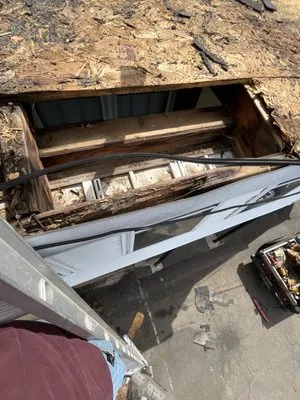
Shelby Services is a woman-owned construction and landscaping company serving Oxford, CT, with over 30 years of experience. We specialize in both commercial and residential projects, offering comprehe...
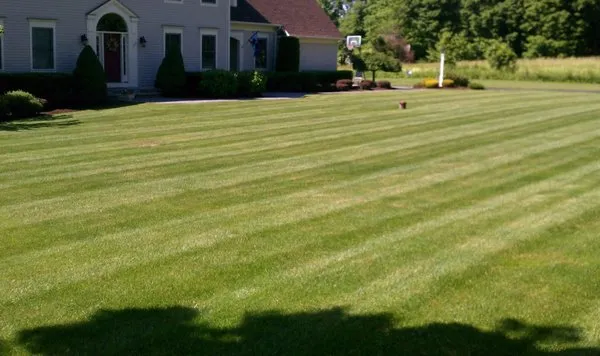
Anthony Dorso III, owner of Custom Grounds LLC in Prospect, has been dedicated to lawn care for over 20 years. Since founding the company in 2003, he has refined a specialized focus on environmentally...
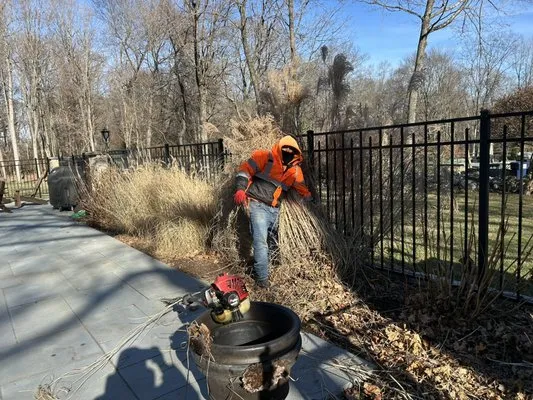
NJoel Landscaping has been serving Stamford and Greenwich homeowners since 2012, building a reputation for reliable, comprehensive property care. We focus on understanding each client's specific needs...
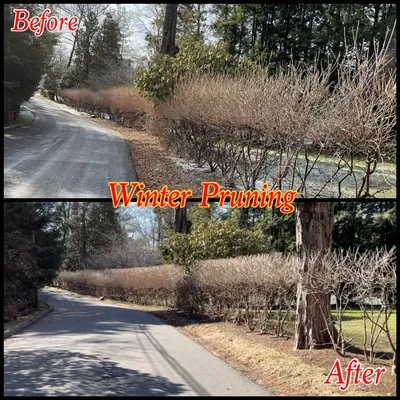
Ronal Lima Landscaping is a licensed, family-owned landscaping business serving Stamford, CT since 2016. We provide comprehensive, year-round services for both residential and commercial properties, i...
EV Landscaping LLC, founded by Elvis Vega in 2009 and named after his father Edwin Vega, has been proudly serving Fairfield County for over a decade. With more than 15 years of experience that began a...
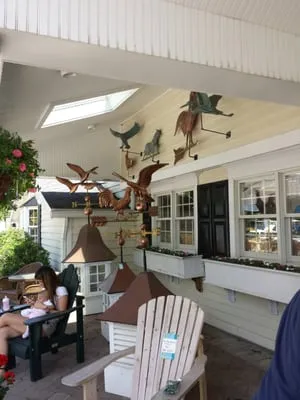
Designs By Lee Inc is a family-owned garden center and plant nursery that has been a cornerstone of the Stamford, CT community since 1872. Spanning 12 acres, this local institution offers a diverse se...
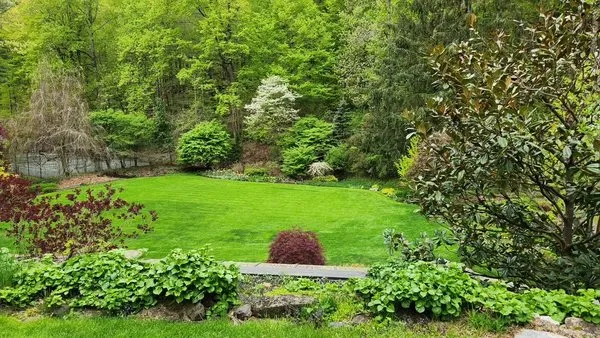
Rossi Green Works is a fully insured landscaping company serving Stamford, CT and Fairfield County. We specialize in comprehensive lawn maintenance, including mowing and edging, as well as tree trimmi...
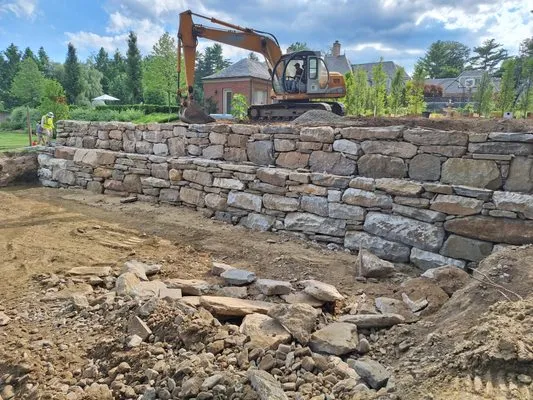
De Masonry & Landscaping is a Stamford-based contractor specializing in masonry, concrete, and landscaping services for local homeowners. We help resolve common local issues like sprinkler head damage...
Joel Sánchez brings over six years of hands-on expertise to Joel’s Landscapes, serving Norwalk and the wider Fairfield County area. Specializing in both landscaping and masonry, Joel’s team handles ev...

CM Maintenance Cleanup (CMMC) has served Stamford, CT, and the surrounding region for over two decades, building a strong reputation on a foundation of quality, reliability, and customer-centric servi...
Estimated Landscaping Service Costs in Heritage Village, CT
Question Answers
How can I reduce maintenance while supporting local ecology?
Replacing high-water turf areas with Eastern Redbud, Highbush Blueberry, and Switchgrass creates habitat while eliminating weekly mowing and gas-blower use. This xeriscaping approach stays ahead of noise ordinance restrictions by requiring only seasonal pruning with electric tools. New England Aster and Joe-Pye Weed provide pollinator support from late summer through fall, achieving 2026 biodiversity standards with minimal irrigation once established.
Why does my Heritage Village lawn struggle despite regular care?
Heritage Village properties average 53 years of soil development since 1973 construction, creating acidic sandy loam with pH 5.8-6.2 that has become compacted. This soil type naturally resists water infiltration and nutrient retention, requiring core aeration every 2-3 years to improve permeability. Adding 1-2 inches of compost annually builds organic matter to support mycorrhizae networks, which are essential for turf health in this USDA Zone 6b environment.
Are bluestone pavers worth the investment over wood?
Bluestone pavers offer 50+ year durability versus wood's 15-20 year lifespan in Heritage Village's freeze-thaw cycles. Their non-combustible nature supports Low Fire Wise Rating compliance by creating defensible space around structures. Unlike wood that requires annual sealing, bluestone maintains permeability for drainage while needing only occasional cleaning, making it cost-effective despite higher initial installation expense.
How quickly can you respond to storm damage for HOA compliance?
Emergency cleanup crews dispatch from the Heritage Village Activity Center using I-84 access, maintaining 20-30 minute peak response times for fallen limbs or drainage emergencies. Our electric equipment fleet operates within gas-powered noise ordinance hours (8 AM-6 PM) while providing immediate debris management. This routing strategy ensures compliance with Heritage Village aesthetic standards while addressing safety hazards promptly.
What permits and licenses are needed for landscape grading?
Grading on 0.25-acre Heritage Village lots requires Southbury Building Department permits for any elevation changes exceeding 6 inches or affecting drainage patterns. Contractors must hold Connecticut Department of Consumer Protection landscaping licenses, which verify training in erosion control and soil management. Unlicensed grading risks fines up to $1,000 per violation and may void property insurance if improper drainage causes neighbor damage.
What solves persistent water pooling in my yard?
Moderate seasonal waterlogging in Heritage Village results from clay lenses beneath acidic sandy loam, creating impermeable layers. Installing French drains with clean stone aggregate improves soil percolation where water accumulates. Using permeable bluestone pavers for patios or walkways meets Southbury Building Department runoff standards by allowing 40-50% more water infiltration than solid surfaces, addressing both drainage and regulatory requirements.
Can smart irrigation keep my lawn green during water restrictions?
Wi-Fi ET-based weather sensing irrigation calculates evapotranspiration rates specific to Heritage Village's microclimate, applying water only when Kentucky Bluegrass and Fine Fescue mixes require it. This system typically reduces water use 30-40% while maintaining turf health under Normal conservation status. Programming follows municipal water limits by adjusting runtime based on real-time weather data, preventing overwatering that exacerbates seasonal waterlogging.
What invasive species threaten Heritage Village landscapes?
Japanese knotweed and garlic mustard present the highest invasive risk in Zone 6b, exploiting disturbed acidic soils. Manual removal before seed set in early summer prevents spread without violating Connecticut's phosphorous ban on established lawns. For persistent infestations, targeted glyphosate applications in fall when natives are dormant avoid harming Switchgrass or New England Aster populations, following state pesticide regulations precisely.
