Top Landscaping Services in Hartford, CT, 06101 | Compare & Call
There are 233 landscaping companies server in Hartford CT
Brothers Associates Landscaping & Garden Ctr is a trusted West Hartford resource dedicated to solving common local lawn and garden problems. Many area homes contend with disruptive issues like damaged...
Lmc Yard Work is a trusted Hartford, CT lawn and tree care company serving homeowners throughout the area. We specialize in comprehensive lawn care and professional tree care services designed to addr...
Bellingrath Bros Landscape and Design
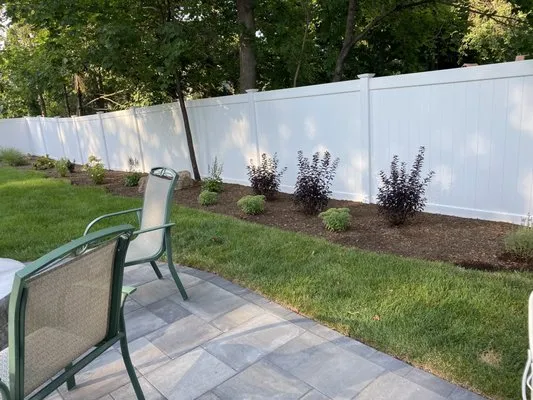
Bellingrath Bros Landscape and Design has been a trusted partner for Newington homeowners and businesses since 1999, providing comprehensive outdoor solutions. As a licensed contractor, they offer a f...

Custom Exterior Landscape is a Newington, CT-based landscaping company specializing in comprehensive outdoor construction and installation services. We help local homeowners address common yard draina...

Tracey The Handy Man is a trusted Hartford-based handyman and contractor offering expert landscaping and general repair services. We understand the specific challenges Hartford homeowners face, especi...

Armando Landscaping Solution is a trusted, Hartford-based landscaping company dedicated to transforming outdoor spaces with expertise and care. We specialize in comprehensive landscape and greenscape ...
A&A Landscaping and Hardscape is a locally owned and operated company serving East Hartford, CT, and the surrounding communities. We specialize in comprehensive landscape solutions tailored to the spe...

Victor Medeiros Landscaping is a West Hartford-based company providing comprehensive outdoor solutions, from design to construction and maintenance. We specialize in addressing common local challenges...

A.M. Landscaping Services is a family-owned landscaping and property maintenance business serving South Windsor, CT and surrounding areas. Founded in 2014 by brothers Austin and Michael Gore, the comp...
Rio Gutters is a West Hartford-based service company owned and operated by a local entrepreneur with a decade of hands-on industry experience. As the founder, I leverage my college education and ten y...
Estimated Landscaping Service Costs in Hartford, CT
Question Answers
A storm damaged trees and scattered debris. What's your fastest response for an HOA compliance emergency?
Our electric fleet is exempt from early morning noise restrictions, allowing a rapid dispatch. From our base near Elizabeth Park Conservancy, we take I-84 directly to the West End, maintaining a 20-30 minute peak response time. We prioritize securing hazardous limbs and clearing walkways to meet immediate safety and compliance standards before full restoration.
How can we keep our Kentucky Bluegrass lawn healthy under Hartford's Stage 1 water conservation rules?
An ET-based, Wi-Fi-enabled irrigation system is the precise solution. It automatically adjusts watering schedules using real-time local weather data, applying water only when needed and avoiding periods of rainfall or high evaporation. This technology maintains turf health by delivering deep, infrequent watering that encourages drought-resistant roots, ensuring you stay well within voluntary conservation limits.
What permits and credentials should we verify before hiring someone to regrade our 0.15-acre lot?
Any significant grading or earthmoving requires verification of a Home Improvement Contractor license from the Connecticut Department of Consumer Protection. For projects impacting drainage or lot lines, a permit from the Hartford Department of Development Services is often mandatory. On a lot of this size, improper grading can affect neighboring properties, making licensed, insured professionals essential for legal and technical compliance.
We've spotted invasive Japanese Knotweed. How do we manage it without breaking fertilizer rules?
Combating this aggressive invasive requires a targeted, multi-year strategy. Manual removal and careful, approved herbicide applications are necessary, timed outside of sensitive periods for nearby desirable plants. Crucially, this process avoids the use of phosphorus-containing fertilizers, ensuring full compliance with Connecticut's statewide ban while restoring health to your landscape.
Our West End yard seems tired and compacted. Is this typical for Hartford homes built around 1962?
Yes, that's a common soil legacy. Your property's 64-year-old landscape sits on native acidic sandy loam, which was likely further compacted during original construction with glacial till. Over decades, this has degraded soil structure, reducing permeability and organic matter. Core aeration and incorporating compost are essential to rebuild soil biology and improve water infiltration for healthier roots.
Is bluestone a better long-term choice than wood for a new patio in Hartford?
Bluestone offers superior longevity and lower lifetime maintenance compared to wood, which decays and requires sealing. Its inherent fire resistance contributes to defensible space, a consideration even in Hartford's low Fire Wise rating zone. Properly installed bluestone pavers provide a permanent, stable surface that integrates well with the region's aesthetic and environmental conditions.
Our yard holds water every spring. What's the best fix for this persistent soggy area?
Seasonal saturation is typical here due to compacted glacial till beneath sandy loam. The primary solution is installing a French drain or dry well system to intercept and redirect groundwater. For patios or walkways, using permeable set bluestone pavers can significantly reduce surface runoff, helping your project meet Hartford Department of Development Services standards for stormwater management.
We want to reduce mowing and gas equipment noise. What's a lower-maintenance, eco-friendly alternative?
Transitioning sections of lawn to a native plant community is highly effective. Species like Eastern Redbud, Switchgrass, Joe-Pye Weed, and New England Aster are adapted to our Zone 6b climate and acidic soils, requiring minimal water and no weekly mowing. This shift reduces dependency on gas-powered equipment, aligning with future noise ordinances and supporting local biodiversity.
