Top Landscaping Services in Greenwich, CT, 06807 | Compare & Call

Sam Bridge Nursery & Greenhouses
Sam Bridge Nursery & Greenhouses is a Greenwich family institution, rooted in local soil since 1930. Founded by Sam Bridge Jr. on his father's Doubling Road farm, the business moved to its current Nor...
Michael Sinisi & Son
Michael Sinisi & Son is a family-owned and operated landscape management firm that has been serving residential clients in Greenwich and Stamford for over 30 years. Licensed and locally rooted, we pro...

DiLorenzo Landscaping
DiLorenzo Landscaping is a trusted, full-service provider for Greenwich homeowners, tackling the area's common landscaping challenges head-on. We understand that local properties often face issues lik...
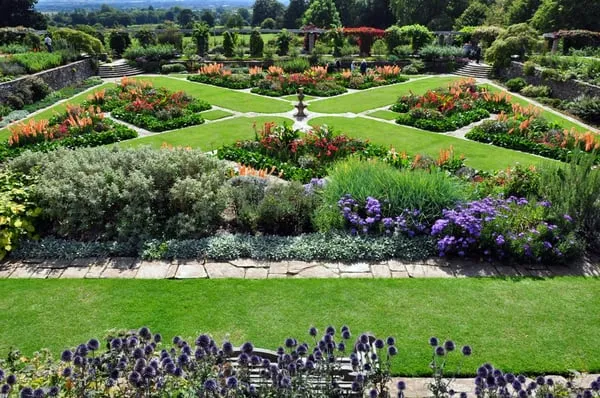
Dominick Vivona Landscaping is an owner-operated, traditional landscaping business serving Greenwich, CT. With a personal, hands-on approach, owner Dominick Vivona and his experienced team come direct...

GYC Brothers Landscaping is a trusted, locally-owned landscaping company serving Greenwich, CT, and the surrounding areas. Many homes in Greenwich face common landscaping challenges like soil compacti...
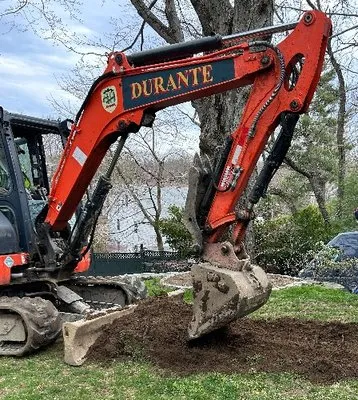
Fred N Durante Jr Construction Services LLC brings over a century of family expertise to landscaping in Greenwich and Lower Fairfield County, CT. As a local, family-owned business, we understand the u...
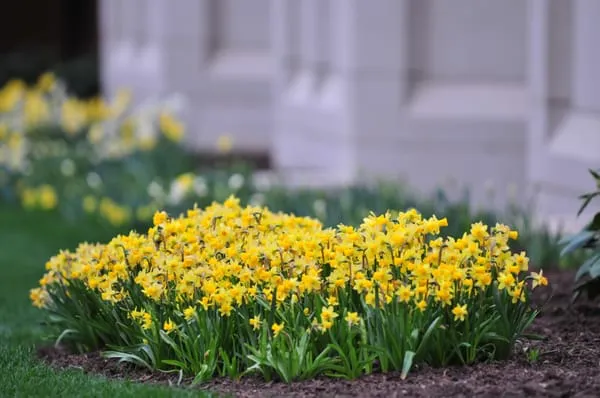
Greenwich Garden Design LLC
Greenwich Garden Design LLC is a landscape architecture and design firm serving Greenwich, CT since 2004. We specialize in creating beautiful, functional outdoor spaces for residential, commercial, an...
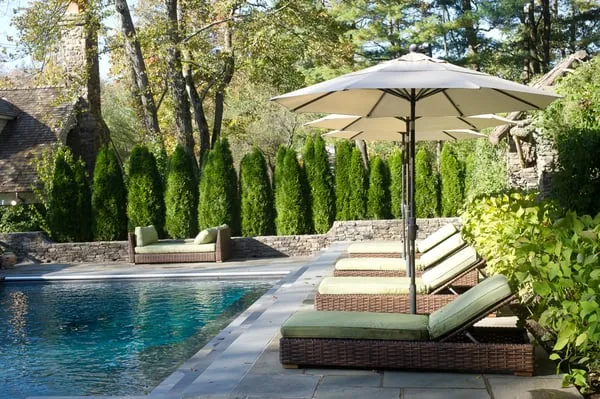
Conte & Conte is a Greenwich-based landscape architecture firm founded in 1997 by John R. Conte, RLA, ASLA, and Kim Conte. Combining over two decades of construction experience with creative design, J...
Royalty Design is a premier Greenwich, CT contractor specializing in comprehensive outdoor living and property care. We expertly combine pool & hot tub service, landscaping, and property management to...
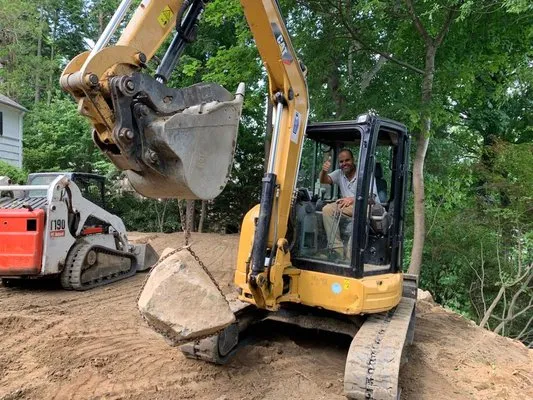
Country Landscape is a Greenwich-based masonry and landscaping contractor providing comprehensive outdoor solutions for local homes. We specialize in earthmoving, hardscaping with patios and retaining...
Frequently Asked Questions
Why is the soil in my Belle Haven yard so compacted, and what can I do about it?
Greenwich properties built around 1958, like many in Belle Haven, have mature landscapes with soils that have settled for nearly 70 years. The prevalent acidic sandy loam compacts over decades, especially under heavy clay glacial till, restricting root growth and water percolation. Core aeration every 1-2 years is essential to relieve compaction. Amending with composted leaf mold will improve soil structure and slowly raise the pH toward a more neutral range for optimal turf and plant health.
How do I keep my Kentucky Bluegrass lawn healthy under Greenwich's voluntary water conservation rules?
Wi-Fi ET-based weather-sensing controllers are the standard for compliance. They adjust irrigation schedules daily using real-time evapotranspiration data, applying water only when needed. This technology can reduce water use by 20-30% while preserving the Fine Fescue blend's drought tolerance. During Stage 1 restrictions, deep, infrequent watering cycles that encourage deeper root growth are more effective than frequent, shallow sprinkling, keeping your lawn resilient within municipal guidelines.
How quickly can you respond to an emergency cleanup after a major storm?
For urgent HOA compliance or safety issues like downed limbs, our electric fleet dispatches from the Bruce Museum area. Using I-95, we can typically reach Belle Haven addresses within the 20-30 minute window during peak conditions, avoiding traffic delays common to secondary roads. This rapid response is prioritized for storm-related debris that blocks driveways or creates immediate hazards, with full site assessment and work plan provided on arrival.
What permits and licenses are needed for regrading my 0.45-acre lot?
Significant regrading that alters water flow or involves retaining walls over 4 feet typically requires a permit from the Greenwich Planning & Zoning Department. Any contractor performing this work must hold a Home Improvement Contractor license from the Connecticut Department of Consumer Protection. For a lot of this size, improper grading can impact neighboring properties and watersheds, so licensed professionals will also conduct soil percolation tests to ensure the new grade manages runoff effectively.
Is bluestone or wood better for a new patio in terms of longevity and safety?
Bluestone pavers offer superior longevity with minimal maintenance compared to wood, which requires regular sealing and decays. In Greenwich's Moderate Coastal WUI fire-risk rating, bluestone provides critical non-combustible defensible space within 30 feet of a structure. Its thermal mass also moderates patio temperature. Properly installed on a compacted gravel base, a bluestone patio will remain stable for decades despite freeze-thaw cycles, whereas wood composites can warp and degrade.
What invasive species should I watch for, and how are they treated?
Japanese stiltgrass and mile-a-minute vine are pervasive threats in Zone 7a. Manual removal before seed set is most effective. For persistent issues, targeted post-emergent herbicides applied by licensed professionals can be used, carefully timing applications outside of the local fertilizer ordinance's restricted periods. Promoting dense native groundcover is the best long-term defense, as healthy soil microbiology outcompetes many invasive species.
My yard stays soggy for days. What's the best drainage solution for Greenwich's soil?
High runoff from saturated glacial till beneath sandy loam is a common Greenwich issue. Solutions start with regrading to direct water away from foundations and toward dry wells or rain gardens. For hardscapes, using permeable bluestone paver systems increases ground absorption and can help projects meet Greenwich Planning & Zoning Department runoff standards. Installing French drains lined with gravel will intercept subsurface water, channeling it safely off-site.
What are lower-maintenance alternatives to my high-input lawn?
Transitioning perimeter zones to a xeriscape of native plants like Eastern Redbud, Sweet Pepperbush, and Butterfly Milkweed significantly reduces water, mowing, and fertilization needs. These deep-rooted natives support local pollinators and require no gas-powered leaf blower maintenance, aligning with seasonal noise ordinances. A matrix of New England Aster and low-growing sedges can replace turf in decorative areas, creating a biodiverse landscape that exceeds 2026 ecological benchmarks.
