Top Landscaping Services in Granby, CT, 06035 | Compare & Call
There are 163 landscaping companies server in Granby CT
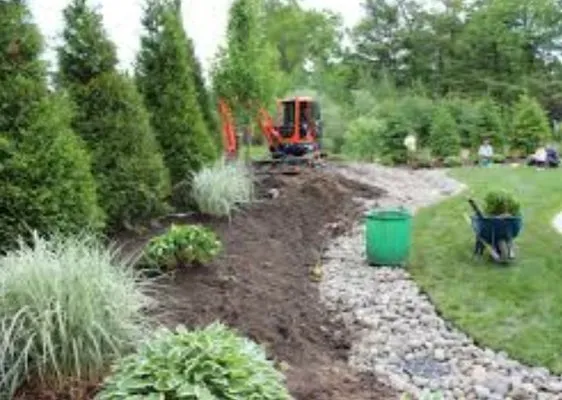
At Successful Lawns in Somers, our story is rooted in humble beginnings. I started with a single truck, a trailer, two shovels, and two rakes—no capital, just a commitment to fair pricing and a focus ...
Precision Lawn Care & Maintenance is a family-owned landscaping company serving Windsor, CT, and the Greater Springfield area with over a decade of experience. Owned by Scott, the business is built on...
NCC Construction serves the Suffield, CT community with expert landscaping and hardscaping solutions. Specializing in everything from driveway and patio installation to retaining walls and irrigation,...
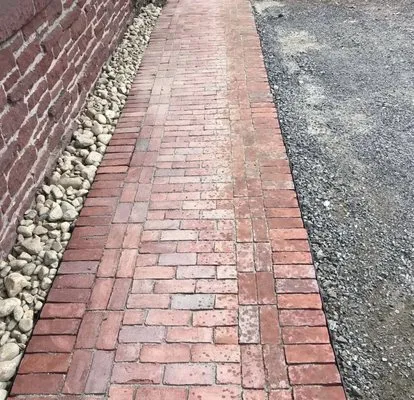
Nichols Property Care
At Nichols Property Care in Winsted, CT, we specialize in providing dependable property management services year-round. Our team is dedicated to maintaining your outdoor space with a focus on practica...
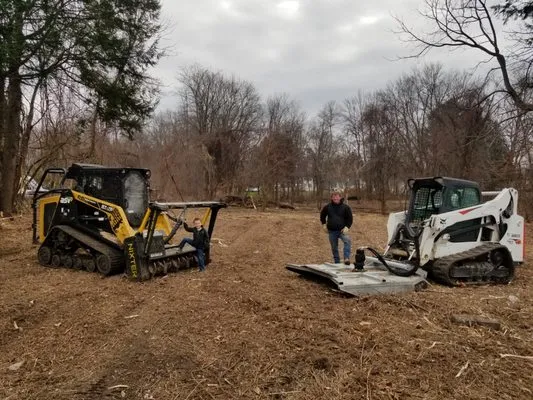
G Rocks is a full-service earthworks and landscape contractor serving Ellington, CT. Specializing in tree services, landscaping, and excavation, we provide comprehensive solutions to transform and mai...
Pristine Lawn Care is a locally-owned and operated lawn care service based in Ellington, CT, proudly serving Tolland and surrounding communities since 2015. Owner Randy Crawford, a Connecticut DEEP Su...
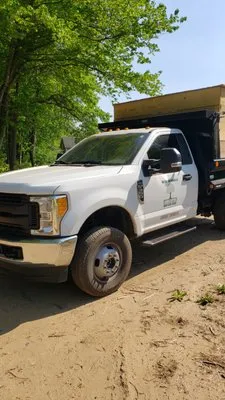
Valley Land Works is a full-service tree and landscape company serving Suffield, CT, and the Farmington Valley area for over 10 years. We specialize in comprehensive solutions for residential and comm...

Gregory Construction is your trusted local partner for property solutions in Seymour, CT. Specializing in excavation, lawn care, snow removal, and trench digging, we understand the common challenges h...
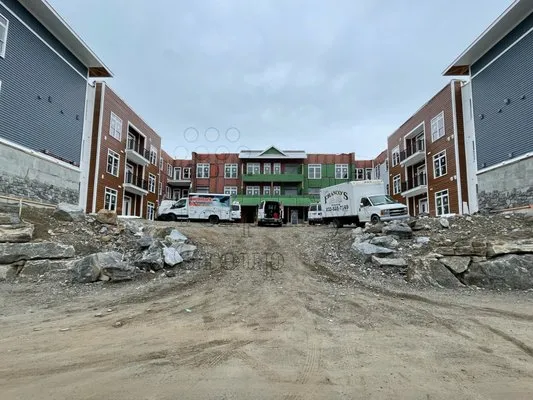
Tenpenny Group is a full-service landscaping company based in Seymour, CT, dedicated to building and maintaining beautiful, functional outdoor spaces for local homeowners. We specialize in a comprehen...
For over 25 years, Ornamentals LLC has been dedicated to transforming and caring for properties in Stafford, CT, with a focus on plant health and enduring beauty. Founded on the principle that plants ...
Estimated Landscaping Service Costs in Granby, CT
Common Questions
A storm just knocked down a large limb. How fast can a crew get here for an emergency cleanup?
For an emergency safety cleanup, we dispatch from our central staging area near Salmon Brook Park. The route via Route 10 / Route 202 to Granby Center typically allows a crew to be on-site within 45-60 minutes during peak response windows. This accounts for post-storm traffic and securing necessary safety equipment. We prioritize these calls to mitigate immediate hazards and prevent further property damage from hanging limbs or blocked driveways.
My lawn in Granby Center doesn't hold water well and grass is thin. Is this just an old lawn?
Soil maturity is a key factor. Lots from the 1985 build era, common here, have 40+ years of compaction from construction and maintenance. Granby's acidic sandy loam naturally drains quickly, but decades of foot traffic and equipment have degraded its structure, reducing organic matter. This history creates a hydrophobic layer that repels water. Core aeration combined with a top-dressing of compost is essential to rebuild soil biology and improve moisture retention for healthier turf.
My backyard stays soggy into early summer. What's the best fix for this persistent wet spot?
Seasonal saturation from a high water table is common on Granby's sandy loam, as the fine particles can create a temporary hardpan. The solution is a subsurface French drain system tied to a dry well or daylighted outlet. For patios or walkways, using permeable concrete pavers or open-joint bluestone allows infiltration, reducing runoff volume. These methods address the hydraulic issue and often help meet the Granby Planning and Development Department's stormwater management standards for new installations.
We want to regrade part of our 1.5-acre lot. What do we need to know about permits and contractors?
Significant grading that alters drainage patterns or involves more than minimal cut and fill typically requires a permit from the Granby Planning and Development Department. For a lot of this size, the work must be performed by a contractor licensed by the Connecticut Department of Consumer Protection for landscaping or excavation. This licensing ensures they carry the required insurance and understand state regulations regarding erosion control and sediment barriers, which are critical to preventing off-site environmental damage.
How can I keep my Kentucky Bluegrass lawn green with Granby's water conservation asks?
Smart Wi-Fi soil moisture sensor controllers are the standard solution. These devices irrigate based on actual evapotranspiration (ET) and root zone moisture, not a fixed schedule. They automatically bypass cycles after rainfall and adjust for temperature, preventing overwatering. This technology can reduce potable water use by 20-40% while maintaining the cool-season grass mix. It aligns perfectly with voluntary conservation by applying water only when and where the soil profile requires it.
We're adding a patio. Is bluestone or a composite wood deck better for longevity and safety here?
Inorganic materials like bluestone or concrete pavers are superior for Granby. They offer decades of service with minimal upkeep, unlike wood which requires regular sealing and is susceptible to rot. From a Firewise perspective, Granby's Moderate rating in the Wildland-Urban Interface makes non-combustible hardscapes a key component of defensible space. A stone patio within 30 feet of the home provides a critical firebreak, enhancing property resilience compared to a wooden deck structure.
I'm tired of weekly mowing and gas blower noise. Are there quieter, lower-maintenance options?
Yes. Transitioning perimeter zones to a native plant community is a forward-looking strategy. Species like Eastern Redbud, Sweet Pepperbush, Butterfly Milkweed, and Switchgrass are adapted to Zone 6a and require no mowing, minimal watering once established, and no leaf blowing. This reduces reliance on gas-powered equipment, aligning with noise ordinances and voluntary reduction initiatives. It also significantly increases biodiversity and provides year-round visual interest with less input.
I see Japanese Barberry and Burning Bush spreading from the woods. How do I handle them safely?
Those are regulated invasive species in Connecticut. For small infestations, careful manual removal, ensuring the entire root system is extracted, is effective. For larger areas, a targeted, foliar application of a glyphosate-based herbicide in late summer or fall is standard, but you must use a phosphorus-free formula as required by State Statute 22-61m. Always apply during calm, dry conditions to avoid drift onto desirable plants. Proper disposal of plant material is crucial to prevent re-establishment.
