Top Landscaping Services in Glenville, CT, 06831 | Compare & Call
There are 99 landscaping companies server in Glenville CT

Eastern Land Management is a Stamford-based commercial landscape management company founded in 1976, specializing in tailored services for commercial properties. They offer integrated solutions includ...
Kamen Tree & Turf has been the trusted choice for Stamford homeowners and property managers in Fairfield County for over 25 years. Brothers and certified arborists Eric and Steve Kamen personally over...
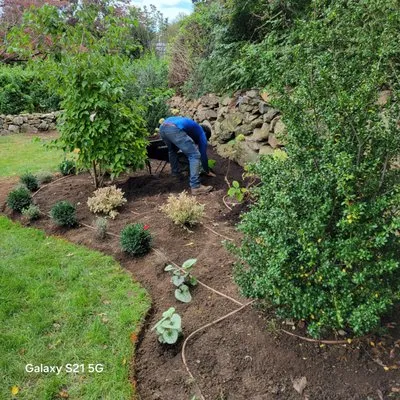
HV Landscaping Services
HV Landscaping Services is a locally owned and operated landscaping company serving Stamford, CT, and the surrounding area. We specialize in creating and maintaining beautiful, functional outdoor spac...
Leonel and Sons Landscaping is a family-owned business based in Stamford, CT, dedicated to providing reliable lawn and landscape services to the local community. For years, we've built our reputation ...
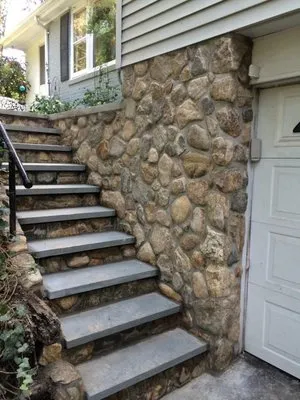
Rizzo Masonry and Landscaping
Rizzo Masonry and Landscaping brings generations of craftsmanship and modern business expertise to Weston, CT, and the surrounding Lower Fairfield County area. Founded on a family tradition of masonry...
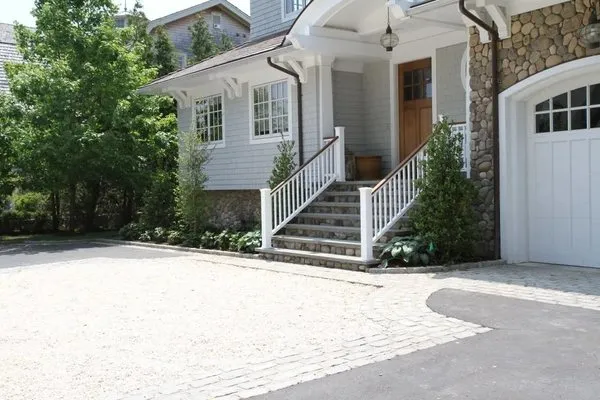
Minutemen Land Services
Minutemen Land Services is a trusted local landscaping company serving Norwalk, CT, and the surrounding Fairfield County area. We specialize in comprehensive landscape design, including irrigation sys...
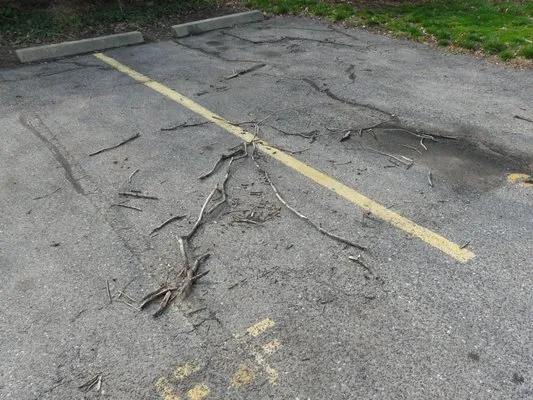
EV Landscaping LLC, founded by Elvis Vega in 2009 and named after his father Edwin Vega, has been proudly serving Fairfield County for over a decade. With more than 15 years of experience that began a...
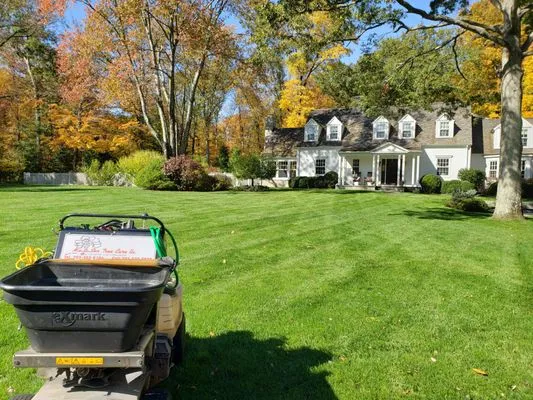
MO & Son Tree & Lawn Care
MO & Son Tree & Lawn Care is a Stamford-based, family-operated business dedicated to the health and beauty of your outdoor spaces. Our team of certified arborists and lawn care specialists provides a ...
Sam Bridge Nursery & Greenhouses
Sam Bridge Nursery & Greenhouses is a Greenwich family institution, rooted in local soil since 1930. Founded by Sam Bridge Jr. on his father's Doubling Road farm, the business moved to its current Nor...
English Gardens & Designs
Sandy, founder of English Gardens & Designs, brings the timeless elegance of her native England to Riverside, CT. After moving from Royal Berkshire in 2004, she established her practice, combining for...
Estimated Landscaping Service Costs in Glenville, CT
Q&A
A storm brought down branches and we need an emergency cleanup for HOA compliance. How quickly can a crew arrive?
For urgent HOA compliance or safety issues, we dispatch from our central staging near Glenville Green. The route via the Merritt Parkway (Route 15) to most Glenville Center properties allows a crew to be on-site within the 20-30 minute peak storm response window. Our electric maintenance fleet is exempt from certain noise restrictions, enabling immediate work upon arrival to secure the property.
Our yard stays soggy and we see frost heave damage on walkways. What's a lasting solution for Glenville's high water table?
The combination of acidic sandy loam and a high seasonal water table creates chronic saturation and frost heave. Improving subsurface drainage is key. We install French drains or dry wells to intercept groundwater. For new hardscapes, using permeable installation methods with bluestone pavers increases surface infiltration, which can help meet Greenwich Planning and Zoning Department standards for managing stormwater runoff on-site.
Our 1970s Glenville Center lawn seems thin and struggles. What's the likely root cause in the soil?
Homes built around 1970, common in Glenville Center, sit on soils now 56 years into development. Original acidic sandy loam (pH 5.5-6.2) often becomes severely compacted from decades of construction and foot traffic. This compaction reduces air and water movement, starving grassroots. The solution is not just lime for pH, but core aeration followed by top-dressing with compost to rebuild soil structure and microbial life.
We want to reduce mowing, gas blower noise, and water use. What are the best native plants for a low-input landscape?
Transitioning turf areas to a layered planting of Connecticut natives like Eastern Redbud, Sweet Pepperbush, New England Aster, and Joe Pye Weed creates a resilient, biodiverse habitat. These plants are adapted to our Zone 7a climate and acidic soils, requiring no supplemental fertilizer, minimal water once established, and little to no blower maintenance. This approach future-proofs your property against tightening noise ordinances and water restrictions.
With Stage 1 water conservation in effect, how do we keep our Kentucky Bluegrass lawn healthy without overwatering?
Stage 1 voluntary conservation aligns with using smart, Wi-Fi ET-based irrigation controllers. These systems automatically adjust watering schedules based on real-time evapotranspiration data from local weather stations, applying water only when the turf needs it. This precision can reduce water use by 20-30% while maintaining Fine Fescue and Bluegrass blends, keeping you well within municipal guidelines and promoting deeper root growth.
Is bluestone or composite wood better for a new patio that will last and be safe in our suburban area?
Bluestone pavers offer superior longevity and lower lifecycle maintenance compared to wood or composites, which can warp or degrade. As a non-combustible mineral, bluestone also contributes to defensible space, a consideration even in Glenville's Low Fire Wise rating urban/suburban interface. Its natural thermal mass moderates temperature, and when installed with permeable bases, it supports better site hydrology than impermeable alternatives.
We want to regrade and install a patio on our 0.35-acre lot. What permits and contractor credentials are required?
Regrading that alters drainage patterns or involves retaining walls over certain heights requires a permit from the Greenwich Planning and Zoning Department. For the installation, ensure your contractor holds a Home Improvement Contractor license from the Connecticut Department of Consumer Protection. This is mandatory for projects of this scope on a 0.35-acre lot and provides you with legal recourse and proof of insurance.
We've spotted invasive Japanese Knotweed and Barberry. How do we treat them without breaking the phosphorus fertilizer ban?
Invasive species like Knotweed and Barberry outcompete natives and degrade soil health. Eradication requires a targeted, systemic herbicide application by a licensed professional, timed for when the plant is actively translocating nutrients to its roots. Crucially, this process involves no soil amendment or fertilization, thus fully complying with Connecticut's statewide phosphorus ban. Always dispose of plant material in bags to prevent spread.
