Top Landscaping Services in Enfield, CT, 06082 | Compare & Call

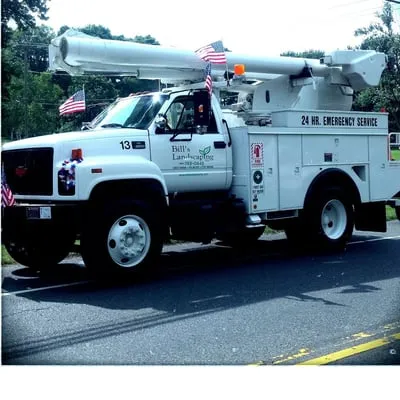
Founded in 1995 by William Guzie, Bill's Landscaping LLC began as a one-man operation with a simple bike and mower, fueled by a passion for the local landscape. Today, as a diversified service firm, w...
S&S Landscaping
S&S Landscaping is a family-owned business serving Enfield and Hartford County since 2003, founded by longtime resident Shanan. Specializing in hardscaping, they design and install custom walkways, pa...
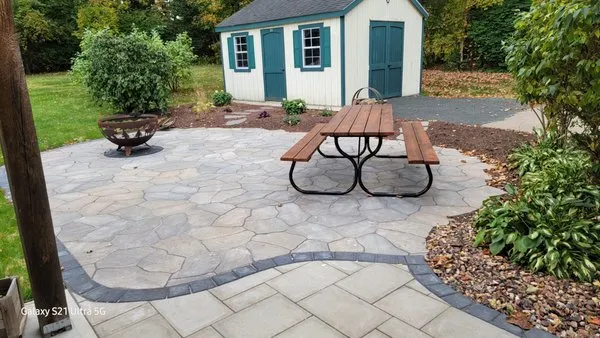
Encore Landscaping provides customized landscape design and installation services for homeowners in Enfield, CT, and the surrounding area. Unlike larger companies, we specialize in working with projec...
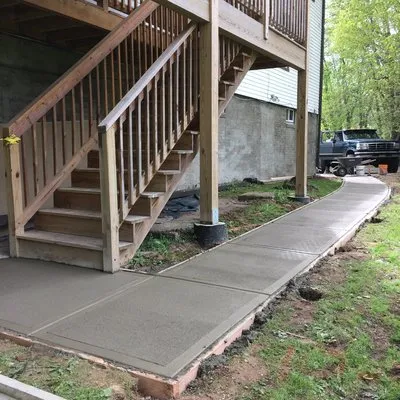
SMC Landscape & Construction is a full-service Enfield, CT company specializing in landscaping, masonry/concrete, and excavation. We help homeowners and businesses transform their outdoor spaces with ...
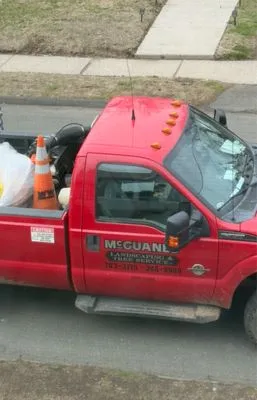
McGuanes Landscaping and Tree Service
Founded in 1987 by Martin McGuane, a University of Connecticut School of Agriculture graduate and licensed arborist, McGuanes Landscaping and Tree Service is a family-run business with deep roots in E...
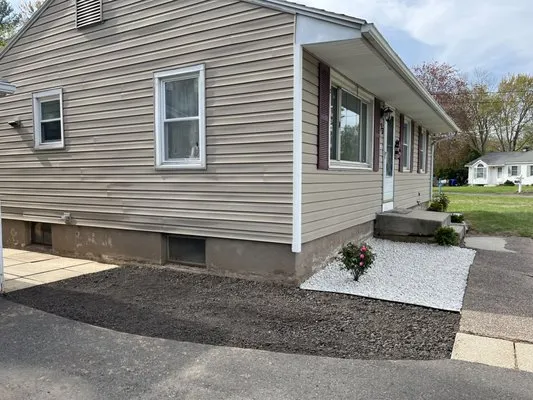
Costa & Son’s Property Maintenance is a family-owned and operated business serving Enfield, CT. We specialize in comprehensive property care, from foundational masonry work like driveways and retainin...
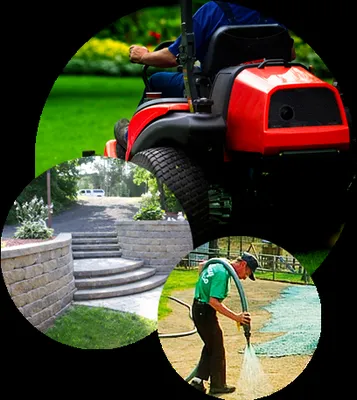
Barile Landscape Construction, LLC is a licensed landscape construction company based in Enfield, CT, serving Hartford County and Western Massachusetts for over a decade. Owned and operated by a Conne...
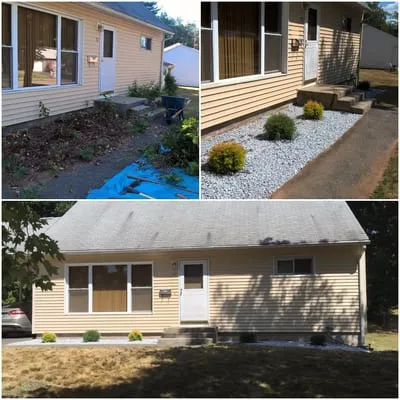
Cjay's Landscaping is a locally owned and operated business built on a deep understanding of the Enfield community. Founder Collin, a Fermi High School graduate, combines his lifelong roots in the are...
TopLine Landscaping
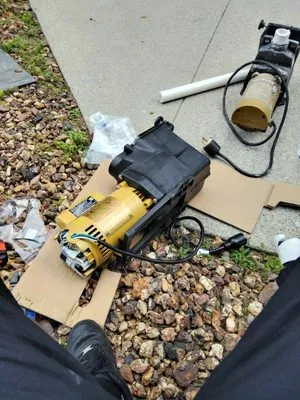
TopLine Landscaping is your Enfield, CT, neighbor for a pristine property, from poolside to lawnside. We specialize in comprehensive pool services—including cleaning, maintenance, and repair—and exper...

Spazzarini Property Services
Spazzarini Property Services in Enfield is a locally owned and operated company built on over 20 years of hands-on experience. We focus on providing reliable, year-round property care for our Enfield ...
Q&A
What invasive species should I watch for, and how are they treated?
Vigilance is required for invasive plants like Japanese Knotweed, Burning Bush, and Garlic Mustard, which threaten local ecology. Treatment involves targeted mechanical removal or approved herbicide applications timed for plant vulnerability. All actions must follow Connecticut's fertilizer ordinance, which prohibits phosphorus application unless a soil test confirms a deficiency, ensuring treatments do not contribute to nutrient runoff in our watershed.
What are the long-term benefits of replacing some lawn with native plants?
Transitioning to a landscape featuring Eastern Redbud, Switchgrass, Joe Pye Weed, and New England Aster reduces water, fertilizer, and weekly mowing demands. This xeriscaping approach builds climate resilience and supports 2026 biodiversity targets. Furthermore, it aligns with the industry shift toward quieter, electric maintenance equipment, proactively adhering to evolving noise ordinances regarding gas-powered blowers and mowers.
My yard has persistent soggy areas every spring. What's the solution?
Seasonal high water tables and poor infiltration in clay pockets are common Enfield drainage hazards. The primary remedy involves improving soil permeability through deep-tine aeration and incorporating gravel channels. For hardscape projects, using permeable concrete pavers or open-graded crushed trap rock creates a functional surface that manages runoff, often helping projects meet Enfield Planning and Zoning Department standards for stormwater management.
Are concrete pavers a better choice than wood for a new patio?
For longevity and low maintenance in USDA Zone 6a, concrete pavers and crushed trap rock outperform wood. These materials resist frost heave and decay, providing a stable surface for decades. Their inorganic nature also supports the town's low Fire Wise rating for the urban interface, as they contribute to defensible space without presenting a combustible fuel source like wooden decks or mulch beds.
How quickly can a crew respond for an emergency storm cleanup to meet an HOA deadline?
For urgent compliance issues, crews can typically mobilize from the Enfield Town Green area. The route via I-91 allows for an estimated 20-30 minute arrival during peak response times to most Enfield Center properties. We prioritize these dispatches, coordinating with electric fleet operations to ensure compliance with the local noise ordinance prohibiting loud equipment between 9:00 PM and 7:00 AM.
What permits and credentials are needed to regrade my backyard?
Significant grading on a 0.32-acre lot typically requires a permit from the Enfield Planning and Zoning Department to ensure proper water flow and compliance with codes. The contractor must hold a Home Improvement Contractor license from the Connecticut Department of Consumer Protection. This licensing is mandatory for earthwork that alters drainage patterns or involves structural changes, protecting your investment and adjacent properties.
Why does my lawn in Enfield Center struggle to hold water and nutrients?
The acidic, fine sandy loam common in neighborhoods developed around 1965, like Enfield Center, has matured for over 60 years. This prolonged timeline has often led to significant compaction, especially in subsurface clay pockets. The resulting low permeability reduces root penetration and water infiltration. To improve soil health, core aeration and amendments of composted organic matter are essential to rebuild structure and enhance nutrient-holding capacity.
How can I maintain my Kentucky Bluegrass lawn with Enfield's water conservation advisories?
Effective irrigation hinges on precision. Wi-Fi ET-based weather sensing controllers automatically adjust schedules using local evapotranspiration data, applying water only as needed. This technology is critical for preserving turf health within voluntary municipal limits. It prevents overwatering, which exacerbates drainage issues in our soil profile, and targets the precise needs of your grass blend throughout the growing season.
