Top Landscaping Services in Ellington, CT, 06029 | Compare & Call
There are 224 landscaping companies server in Ellington CT
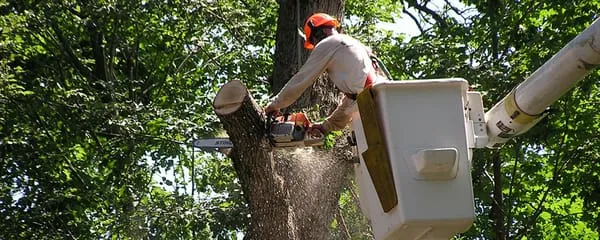
Gary Hyjek Landscaping is a trusted local service in Ellington, CT, led by Connecticut Licensed Arborist Gary Hyjek (License #S-5862). A member of the Connecticut Tree Protective Association and Tolla...
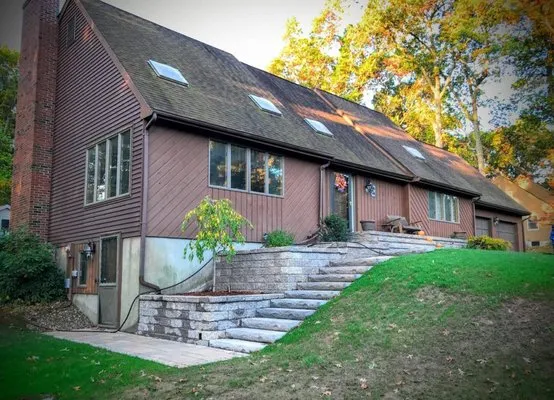
Natural Choice Landscaping, serving Tolland, CT since 1997, is a licensed and ICPI-certified landscaping contractor specializing in comprehensive outdoor solutions. Under owner Jim MacGillvary's exper...

Beebe Landscape Services has been a trusted East Windsor, CT landscaping partner since 1986. We provide comprehensive services from design and installation to maintenance and irrigation, serving both ...
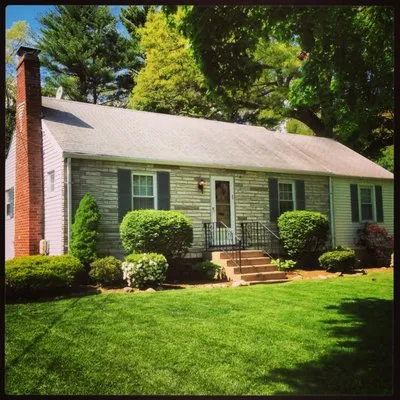
Lawn Dawg is a trusted lawn care provider serving Rocky Hill, CT, specializing in comprehensive lawn maintenance and landscaping solutions. We understand the common local challenges homeowners face, s...
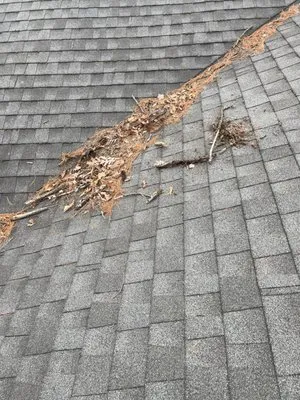
Capital Landscaping brings a dedicated and personal touch to outdoor care for West Hartford homes. We focus on delivering a quality of service that transforms your property from a simple yard into a s...
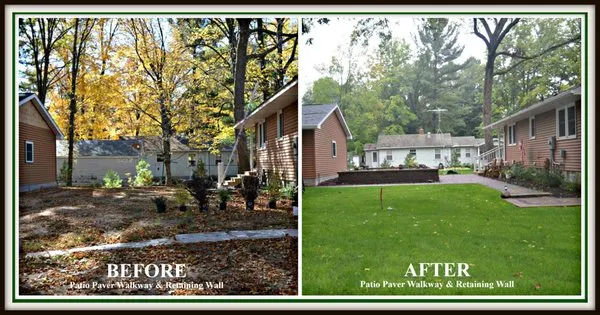
KB Lawn Mowing and Tree Services is a locally owned and operated landscaping and tree care company serving Windsor Locks, CT, for over 17 years. Our experienced team provides a comprehensive range of ...
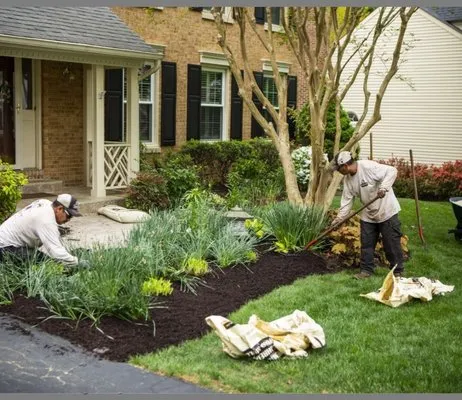
Founded in 2018, Mountain Hill Lawn Care is a locally owned and operated business built on years of hands-on experience in the field. What began as a single person with a passion for landscaping has g...

Harvest Landscaping is a family-owned Manchester, CT business with 20 years of experience enhancing residential and commercial curb appeal. We provide reliable lawn care, pressure washing, snow remova...
The Green Scene has been a trusted part of the Manchester, CT community since 1983, providing reliable lawn care and pest control services. Our core 5-step lawn care program focuses on fertilization, ...
For over 30 years, Clarke & Sons has been Windsor's trusted, one-stop solution for handyman, landscaping, and auto repair needs. As a local, family-owned business, we understand the specific challenge...
Estimated Landscaping Service Costs in Ellington, CT
Questions and Answers
What are the most aggressive invasive plants here, and how do I remove them safely?
In Ellington, Japanese Knotweed, Burning Bush, and Garlic Mustard are high-priority invasive species that outcompete natives. Removal requires a persistent, integrated approach: manual digging for small infestations and targeted, systemic herbicide application for large stands, always following label instructions. Timing is critical to avoid the state's phosphorus fertilizer ban; organic, phosphorus-free amendments can be used after removal to help desired plants re-establish, but always conduct a soil test first.
Why is my 45-year-old lawn in Ellington Center so compacted and thin?
Homes built around 1981 on acidic sandy loam soils have undergone 45 years of foot traffic, standard mowing, and nutrient leaching. This history compacts the soil profile and depletes the organic matter critical for root growth and water retention. Core aeration in early fall is essential to relieve compaction and improve oxygen flow to the root zone. Following aeration, amending with compost will rebuild soil biology and structure, addressing the inherent challenges of older neighborhood lots.
How quickly can you respond to an emergency tree cleanup for HOA compliance?
For urgent situations like storm damage or compliance deadlines, our electric fleet can dispatch from our base near Abele Park. Using I-84, we can typically reach most Ellington Center properties within the 35-50 minute window noted for peak storm response. Our quiet equipment complies with local noise ordinances, allowing us to begin work immediately upon arrival during standard hours to secure the property and mitigate further risk.
Can I keep my Kentucky Bluegrass healthy under Stage 1 water conservation?
Yes, with precise management. Smart Wi-Fi soil moisture sensor controllers are the key tool, automatically adjusting irrigation schedules based on real-time evapotranspiration (ET) data and soil conditions. This prevents overwatering, a common issue with sandy soils, and ensures every drop is used efficiently. This technology allows you to maintain turf health while adhering to voluntary conservation efforts, often reducing total water use by 20-30% compared to traditional timer-based systems.
I want a lower-maintenance, quieter landscape. Where should I start?
Begin by replacing high-input turf areas with layered plantings of Connecticut natives like Eastern Redbud, Sweet Pepperbush, New England Aster, and Little Bluestem. These plants are adapted to our Zone 6a climate and acidic soils, requiring no fertilizer, minimal water once established, and providing year-round habitat. This transition future-proofs your property against increasing noise ordinance restrictions on gas-powered blowers and mowers, creating a resilient, biodiverse landscape.
My yard stays soggy and I'm worried about frost heave on my walkway. What's the solution?
This is a classic issue for Ellington's high seasonal water table and sandy loam, which can have poor subsoil permeability. The solution integrates subsurface drainage, like French drains, with surface strategies. For new hardscapes, specifying permeable installations of bluestone pavers or granite cobblestone allows water to infiltrate, reducing runoff and meeting Planning Department standards for stormwater management. This combined approach mitigates both ponding and the destructive uplift pressure of frost heave.
What permits and credentials should I verify for a major grading project on my 0.75-acre lot?
Any significant earthmoving or regrading that alters drainage patterns requires a permit from the Ellington Planning Department to ensure compliance with local erosion and sedimentation controls. Furthermore, you must hire a contractor licensed by the Connecticut Department of Consumer Protection for landscape construction. On a lot of this size, improper grading can lead to off-site water issues or wetland disturbance, making these verifications essential for legal and environmental protection.
Are bluestone and granite cobblestone better than wood for a patio in our climate?
For longevity and fire resilience, mineral hardscapes are superior. Bluestone and granite cobblestone withstand freeze-thaw cycles and decades of use with minimal maintenance, unlike wood which decays and requires regular treatment. In Ellington's Moderate Wildland-Urban Interface rating, these non-combustible materials are recommended for creating defensible space within 30 feet of a structure. Their permanence and safety make them a sound investment for patios, walkways, and retaining walls.
