Top Landscaping Services in Easton, CT, 06611 | Compare & Call

Oakwood Landscaping & Construction, LLC
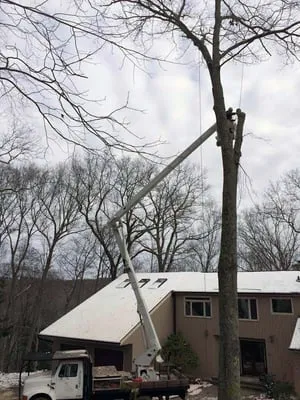
Oakwood Landscaping & Construction, LLC is a full-service company based in Easton, Connecticut, serving all areas of Fairfield County. We specialize in comprehensive residential renovations, from desi...
Stopa's Landscaping
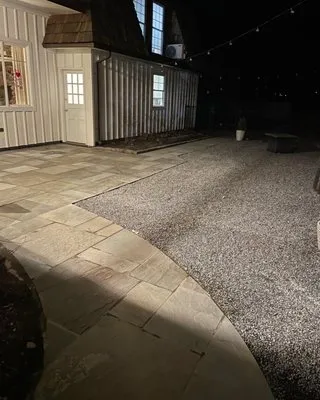
Stopa's Landscaping is your Easton, CT partner for a complete outdoor vision. We combine certified landscape design expertise with skilled masonry and construction to create cohesive, lasting outdoor ...

CT Green is a second-generation, family-owned business serving Easton and Fairfield County. Founded on a commitment to hard work and integrity, the owner brings a personal touch to every project, bala...

Straight Line Landscaping & Excavating
Straight Line Landscaping & Excavating is a full-service contractor serving Easton, CT, and surrounding Fairfield County communities. We specialize in transforming and maintaining properties through e...
Foster's
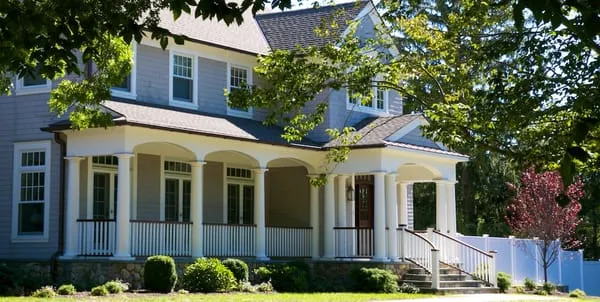
Foster's in Easton, CT is a locally owned and operated landscape design firm founded in 1995 by Foster McKeon, whose passion for horticulture began gardening with his grandmother. With decades of indu...

Phoenix Property is a trusted Easton, CT provider of comprehensive lawn care, gutter cleaning, and pressure washing services. We understand the unique challenges of maintaining Fairfield County proper...
Easton Evergreen Service is a dedicated local landscaping company serving the Easton, CT community. We understand the specific challenges homeowners face here, from the costly water waste of irrigatio...
Frequently Asked Questions
What permits and licenses are needed for major landscaping work on a 2-acre lot?
Significant grading, drainage, or retaining wall projects on a 2-acre lot in Easton typically require a permit from the Easton Planning and Zoning Commission, especially if altering stormwater flow. The contractor must hold a Home Improvement Contractor license from the Connecticut Department of Consumer Protection. For work affecting septic fields or involving large-scale earth moving, additional specialty licensing may be required to ensure compliance with state environmental and building codes.
What invasive plants should I watch for, and how do I remove them safely?
In Easton, be alert for Japanese knotweed, garlic mustard, and oriental bittersweet. Manual removal is best for small infestations. For larger issues, targeted herbicide application must be carefully timed to avoid the blackout dates specified under the Statewide Phosphorus Limitation Act, which prohibits certain treatments during key spring runoff periods. Always use a licensed applicator who can select products that target the invasive species without violating local fertilizer ordinances.
How can I keep my Kentucky Bluegrass healthy with the town's water conservation requests?
Stage 1 voluntary conservation in Easton is effectively managed with Wi-Fi ET-based weather sensing irrigation. This technology schedules watering based on real-time evapotranspiration data, applying water only when the turf needs it. For Zone 6b, this typically means deeper, less frequent cycles that encourage drought tolerance in fine fescue blends while staying well within municipal water budgets. Properly calibrated, it uses significantly less water than traditional timer-based systems.
My yard has soggy spots every spring. What's a long-term solution for Easton's high water table?
Seasonal perched water is common in Easton's acidic fine sandy loam due to a dense, compacted layer that impedes drainage. The primary solution is improving soil permeability through core aeration and incorporating organic matter like compost. For hardscape areas, specifying permeable base installations with materials like bluestone pavers can meet Easton Planning and Zoning Commission runoff standards by allowing water to infiltrate rather than contributing to surface flow.
Why is the soil in Easton Center so compacted and acidic, and what's the best way to fix it?
Lots in neighborhoods developed around 1969, like many in Easton Center, have mature soils now over 55 years old. Acidic fine sandy loam becomes naturally compacted over decades, reducing percolation and oxygen for roots. Core aeration in fall, followed by top-dressing with compost, is critical to improve soil structure and buffer the low pH (5.5-6.2) without drastic chemical intervention.
I want to reduce mowing and gas equipment noise. What are my options?
Transitioning sections of high-maintenance turf to a native plant community is a forward-thinking strategy. Species like Eastern Redbud, Little Bluestem, and Wild Bergamot are adapted to Zone 6b and acidic soils, requiring no fertilization, minimal watering, and no weekly mowing. This shift not only conserves resources but also aligns with evolving noise ordinances that restrict gas-powered blowers, making an electric maintenance fleet more practical and compliant.
Is bluestone a good choice for a patio, considering durability and fire safety?
Bluestone pavers are an excellent, durable choice for Easton, offering far greater longevity than wood decks which decay and require chemical treatments. In the context of the town's Moderate Wildland-Urban Interface rating, non-combustible hardscape materials like bluestone are critical for creating defensible space. A properly installed bluestone patio provides a stable, fire-resistant zone adjacent to the home without contributing combustible fuel.
