Top Landscaping Services in Derby, CT, 06418 | Compare & Call
There are 212 landscaping companies server in Derby CT
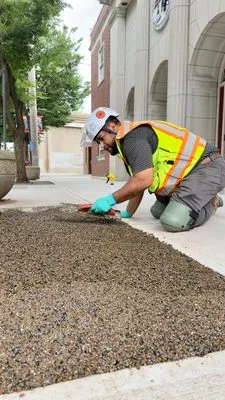
Executive Landscaping is a licensed, full-service landscaping company proudly serving North Haven and the surrounding communities. We specialize in transforming outdoor spaces with comprehensive servi...
Denny Landscaping & Tree Service is a trusted, locally-owned company serving Orange, CT, and the surrounding communities. We understand the common local frustrations of patchy, thinning grass and stru...
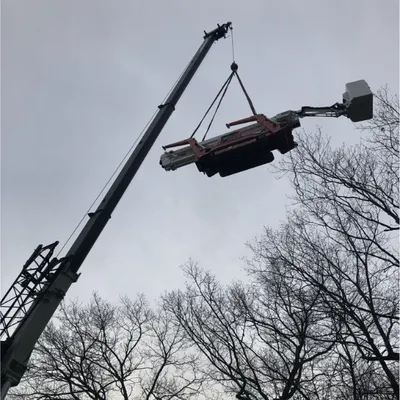
Sandweiss Tree Service
Founded in 1987 by licensed arborist Ben Sandweiss, Sandweiss Tree Service has been a trusted name for tree and shrub care in New Haven County for over three decades. We provide comprehensive care for...
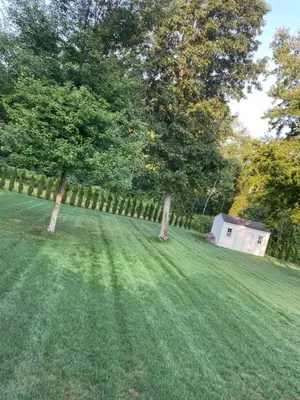
Pitch Pines Landscaping
Founded in 2004, Pitch Pines Landscaping is a fully licensed and insured North Haven company built on a foundation of expertise and local partnership. Co-owners Mike and Chris bring academic backgroun...
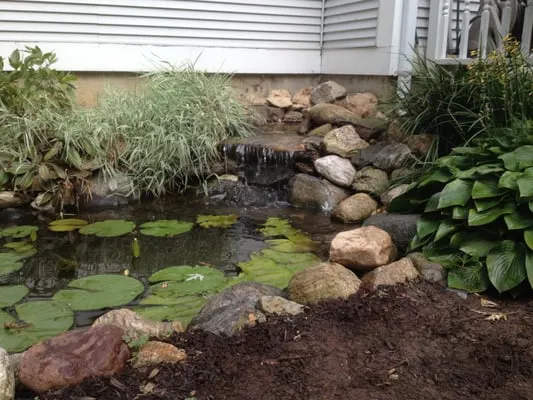
Founded in 1984 by Steve Walowski, a graduate of Delaware Valley College with a degree in Landscaping & Groundskeeping, Hillside Landscaping Co. brings decades of dedicated experience to Berlin, CT, a...
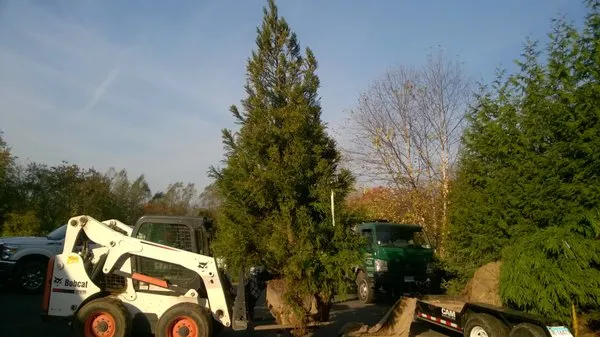
Northeast Horticultural Services
Northeast Horticultural Services is a Milford-based organic-accredited horticultural service provider founded in 2007 by Stacey Marcell, a licensed arborist with 16 years of Connecticut certification ...

Owl Hill Landscaping & Snow is a trusted local company serving New Haven, CT, dedicated to providing reliable, high-quality outdoor services. We specialize in comprehensive lawn care, effective pest a...
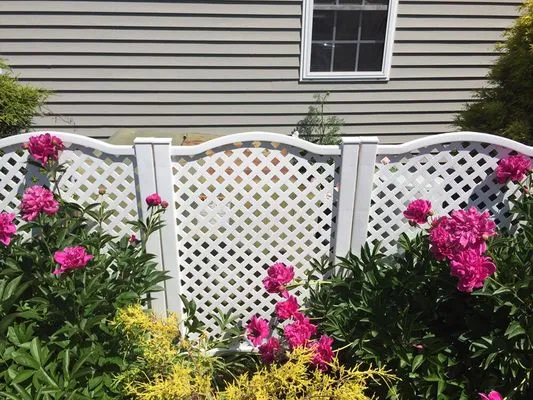
A-Plus Landscaping LLC is a trusted shoreline company with over 21 years of experience serving East Haven, CT, and surrounding communities. Owner Pat personally oversees every project to ensure client...
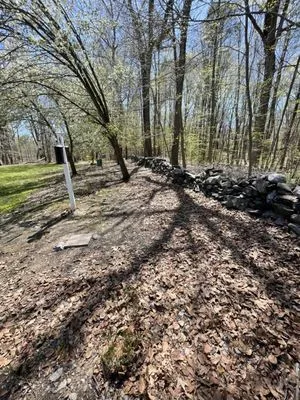
Riverwood Groundskeeping is a locally owned and operated lawn care business serving Cheshire, CT, and surrounding communities. Founded by John and Jesse, the company provides professional lawn mainten...
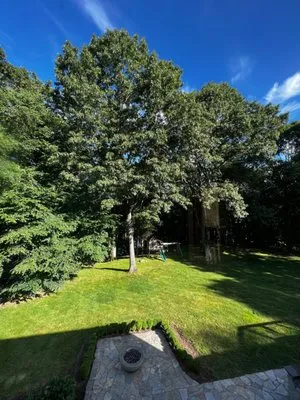
Rivers Tree Service is a trusted, locally-owned company serving Ansonia and the surrounding areas of New Haven and Fairfield County for over a decade. We provide reliable tree care and landscaping sol...
Estimated Landscaping Service Costs in Derby, CT
Common Questions
What solutions exist for Derby's high runoff and saturated clay pockets?
River valley properties in Derby frequently experience drainage issues due to clay pockets within acidic sandy loam soil. Installing permeable concrete pavers or reclaimed granite hardscapes creates infiltration zones that meet Derby Building Department runoff standards. These materials allow 80-95% of stormwater to percolate into the ground rather than contributing to surface runoff, while French drains or dry wells can address persistent saturation in low-lying areas.
Are concrete pavers better than wood for Derby's climate?
Concrete pavers and reclaimed granite outperform wood in Derby's USDA Zone 6b climate due to superior freeze-thaw resistance and minimal maintenance requirements. These materials maintain structural integrity for 25+ years compared to wood's 10-15 year lifespan in Connecticut's humid conditions. For properties with Moderate Fire Wise ratings, non-combustible hardscapes create defensible space by reducing flammable materials within the urban interface zone.
How do I maintain my lawn during Derby's water restrictions?
Wi-Fi ET-based weather sensing irrigation systems automatically adjust watering schedules according to Derby's Stage 1 voluntary conservation guidelines. These systems calculate evapotranspiration rates to deliver precise moisture levels for Kentucky Bluegrass and Fine Fescue blends while staying within municipal water limits. The technology prevents overwatering during rainy periods and increases efficiency during dry spells, typically reducing water usage by 25-40% compared to traditional timers.
What permits and licenses are needed for grading my 0.15-acre lot?
Grading work on Derby's 0.15-acre residential lots requires permits from the Derby Building Department and contractors licensed by the Connecticut Department of Consumer Protection. The licensing ensures professionals understand local soil stability requirements, especially important in river valley areas with high runoff potential. Proper documentation demonstrates compliance with erosion control standards and protects against liability for downstream water quality impacts from disturbed soil.
Should I replace high-maintenance turf with native plants?
Transitioning from Kentucky Bluegrass to native species like Eastern Redbud, Sweet Pepperbush, Butterfly Milkweed, and New England Aster reduces maintenance demands by 60-80%. These Connecticut natives require minimal watering once established and eliminate weekly mowing schedules from April through October. The shift supports 2026 biodiversity standards while anticipating stricter noise ordinances that will further restrict gas-powered equipment usage in residential areas.
Why does my Derby lawn have drainage issues and poor soil quality?
Derby's Downtown neighborhood lots, with homes averaging 61 years old since 1965, have developed mature acidic sandy loam soil. This soil type naturally forms over decades in Connecticut's river valley geology, creating pH levels of 5.8-6.2 that limit nutrient availability. The aging soil structure requires core aeration to improve oxygen flow and organic amendments like compost to enhance water retention and microbial activity.
How quickly can you respond to storm damage for HOA compliance?
Emergency cleanup crews dispatch from Derby Green via CT-8, maintaining 20-30 minute response times during peak storm conditions. This routing prioritizes access to Downtown Derby properties while adhering to noise ordinance restrictions between 7:00 AM and 9:00 PM. The electric maintenance fleet operates within these hours to address fallen branches, debris clearance, and immediate safety hazards without violating municipal regulations.
How do I manage invasive species without violating fertilizer rules?
Derby's Moderate Fire Wise rating areas face invasive threats like Japanese knotweed and garlic mustard that compete with native vegetation. Treatment involves mechanical removal or targeted herbicide applications during active growth phases, avoiding Derby's phosphorus fertilizer restrictions except for new lawn establishment. Proper timing prevents chemical runoff into the Housatonic River watershed while maintaining soil health through organic amendments rather than synthetic fertilizers.
